

 dinero_admin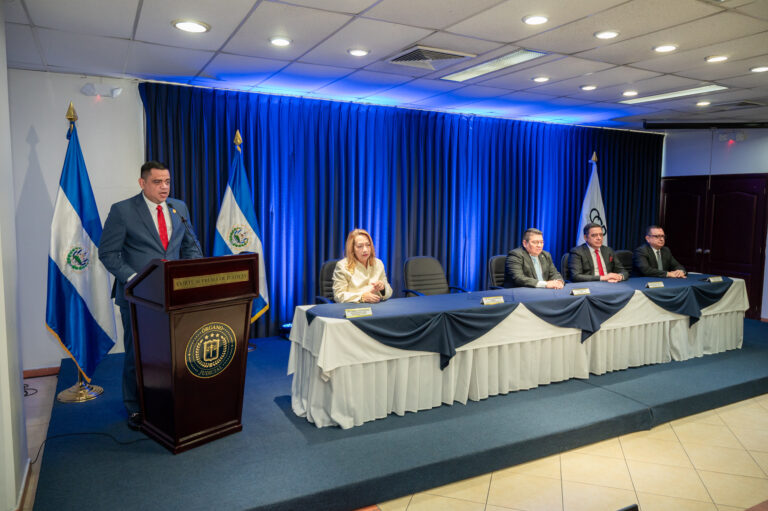
With the aim of strengthening the technical capacities of those who administer justice and contributing to the fight against corruption, the Corte de Cuentas de la República (CCR), in coordination with the Corte Suprema de Justicia (CSJ), inaugurated the Specialized Program in Interpretation and Evidentiary Assessment of the Auditing Process.
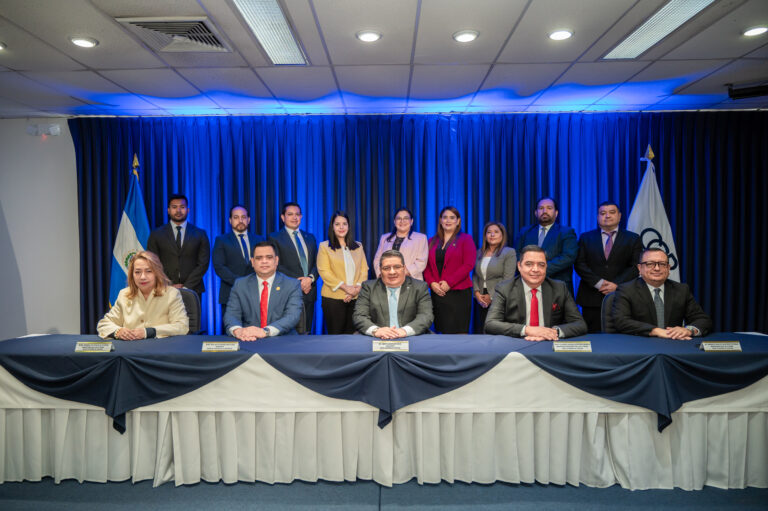
This program is aimed at Corte Suprema de Justicia justices, as well as professionals from the Fiscalía General de la República, who will delve into the technical aspects that underpin government auditing processes and the assessment of evidence derived from government audits.
During the inaugural ceremony, the president of the CCR, Walter Salvador Sosa, emphasized that cooperation between institutions is a key element for strengthening the rule of law and public administration.
“At the CCR, during the auditing process we speak of findings; when those processes advance toward the jurisdictional function of our Cámaras de Primera Instancia we speak of objections”. From the administration of justice or criminal investigation, they are much more familiar with embezzlement, misappropriation of funds, illicit negotiations, and other crimes against public administration. We all analyze the same reality: the use of public resources and the determination of responsibilities when irregularities exist”, said President Sosa.
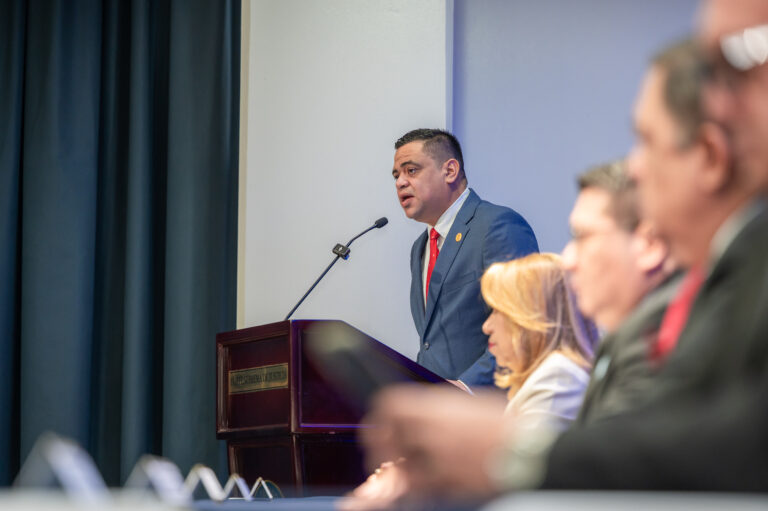
The President of the Corte Suprema de Justicia (CSJ), Dr. Henry Alexander Mejía, said: “We are seeing the fruits of the inter-institutional agreement with the Corte de Cuentas de la República. At the time, we took the initiative to promote this project to foster the continuous improvement of justice administrators and technical operators in this highly innovative field, which will contribute to a more efficient, technical, and objective justice system”.
The program, coordinated by the Centro de Instrucción y Capacitación (CINCAP) of the Corte de Cuentas de la República (CCR), and the Judicial Training Area of the Central Technical Unit of the CSJ, will be developed through five specialized modules, taught by nine CCR facilitators, who are also officials with extensive experience and technical knowledge in the area of auditing.
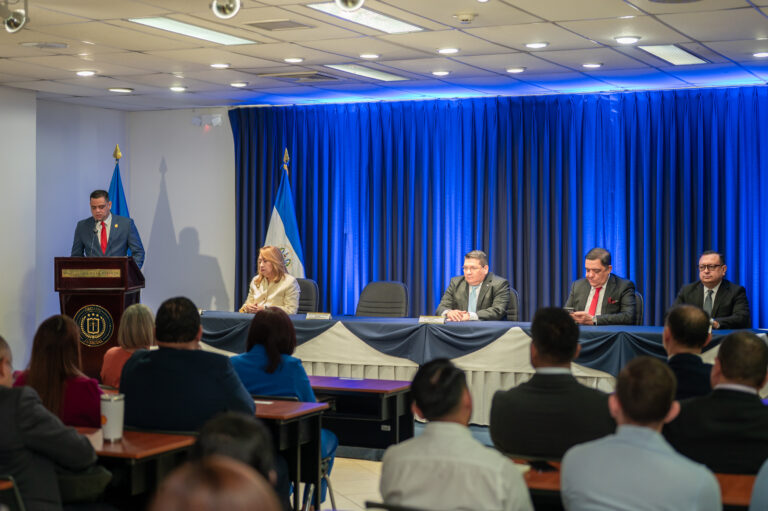
With this inter-institutional collaboration, the CCR reaffirms its commitment to strengthening state institutions, preventing corruption risks, and promoting transparent, efficient public management oriented toward the interests of citizens.
The magistrates of the Criminal Chamber, Alejandro Antonio Quinteros Espinoza, Sandra Luz Chicas de Fuentes, and Roberto Carlos Calderón Escobar, participated in the opening ceremony.
You can also read: