

 dinero_admin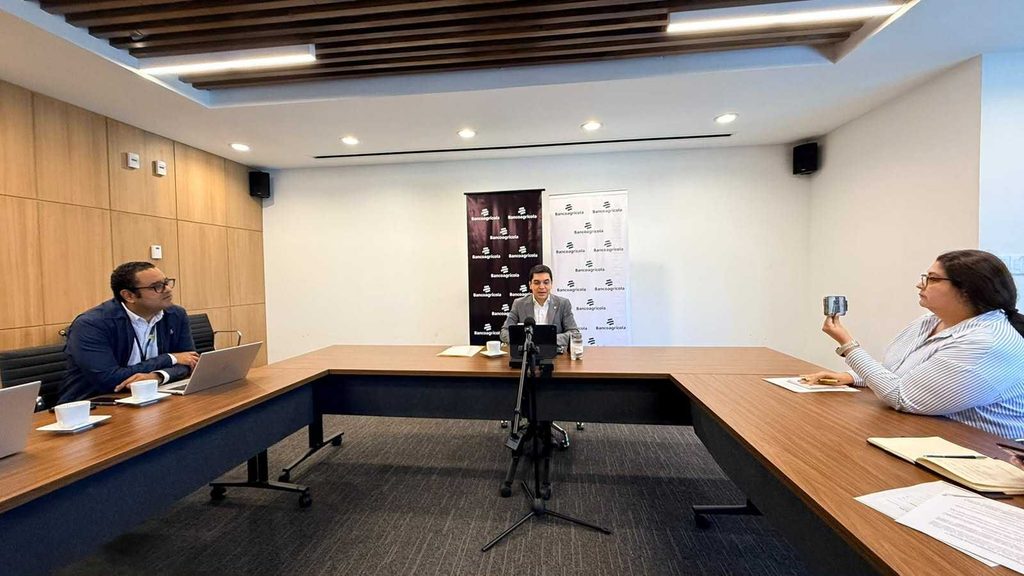
Bancoagrícola disbursed US$972.8 million to boost productive competitiveness, financial inclusion, and the development of sustainable communities, against a backdrop of the salvadoran economy showing signs of increased dynamism. During the presentation of its results, the institution also outlined figures regarding the country’s economic performance, financial conditions, and the trends of indicators such as exports, remittances, and credit, to explain its operating environment and the importance of channeling resources toward productive sectors.
According to data presented by the bank, El Salvador is projected to see economic growth of between 4.5% and 5% by 2026. This is complemented by real Gross Domestic Product (GDP) growth of 4.8% during the first quarter of the year and a 5% increase in the Economic Activity Volume Index (IVAE) in the second quarter. These figures provide an overview of national economic activity and serve as a benchmark for understanding corporate financing demand and investment opportunities within the country.
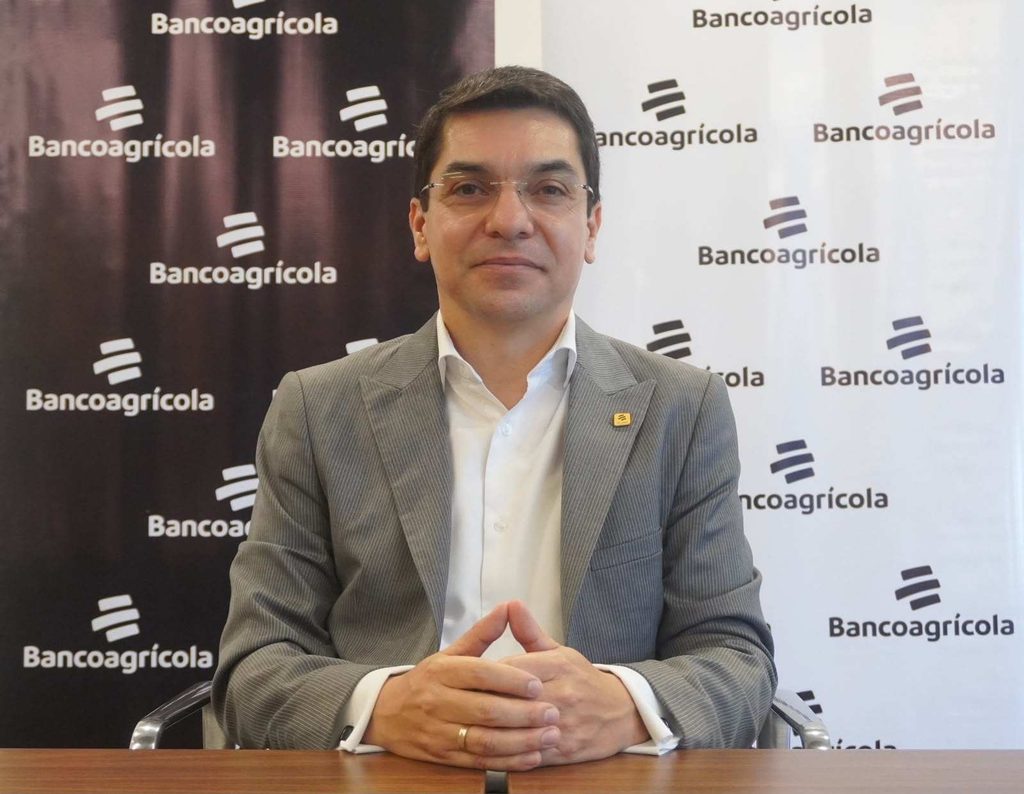
The outlook also reflects improvements in certain financial and external indicators. According to information shared by Bancoagrícola, exports totaled US$4,036.7 million through july 2026, a year-on-year increase of 4.4%, while remittances reached US$5,924.9 million during the same period, marking a 3.7% rise. Within the financial system, deposits grew by 12.6% in july compared to the same month in 2025, and loans increased by 8.4%. For the institution, these trends are part of the broader context in which savings, credit, and business activity interact with the performance of the salvadoran economy.
Financing to strengthen domestic production
Against this backdrop, Bancoagrícola reported that the US$972.8 million disbursed represents 63.9% progress toward its financing goal set for 2030. Of the total, US$614.8 million was allocated to strengthening productive competitiveness, providing funds for exporting companies, the agribusiness sector, and small and medium-sized enterprises. The breakdown included US$317.5 million for exporters, US$222.6 million for agribusiness, and US$74.7 million for small and medium-sized enterprises.
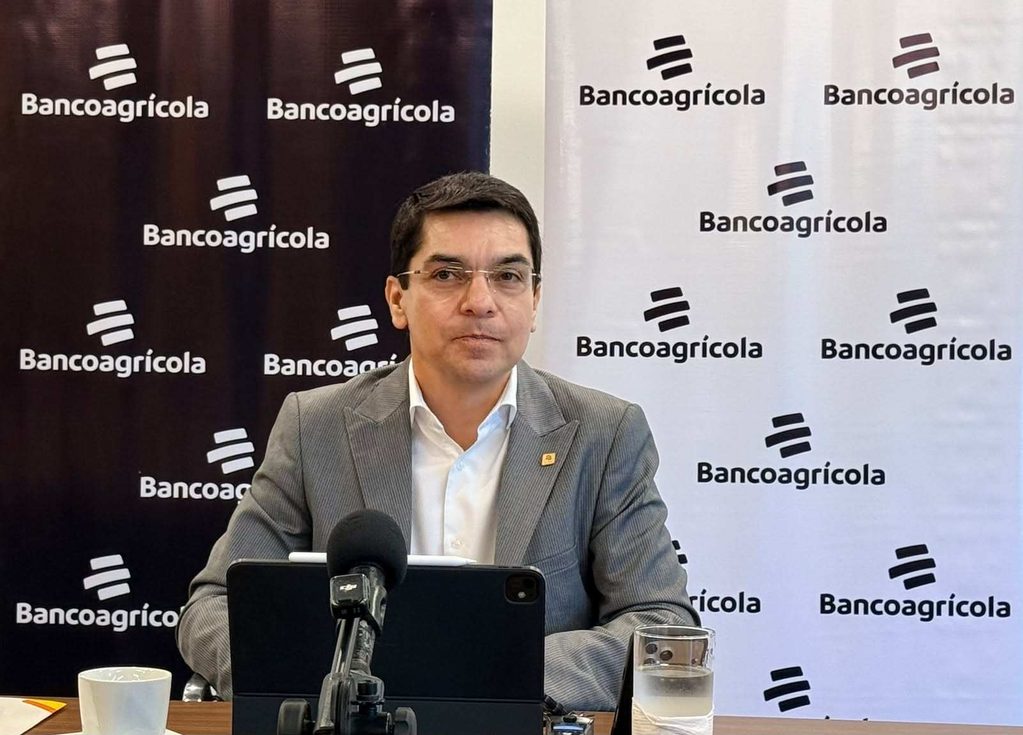
This allocation links the institution’s results to activities that form part of the country’s productive fabric. Financing for exporters supports the operations of companies selling in international markets; funding for agribusiness backs a sector linked to the production and processing of goods; and credit for small and medium-sized enterprises aims to meet the needs of businesses requiring capital to operate, grow, or improve their competitiveness. Allocating resources to these areas is particularly significant in an environment where Salvadoran exports are maintaining year-on-year growth.
Another US$282 million was allocated to financial inclusion initiatives. Of that amount, US$179.3 million went toward gender-focused financing, and US$102.7 million to inclusion programs. Additionally, US$76 million was directed toward sustainable community development: US$50 million for housing-related initiatives and US$26 million for climate projects. Through these lines, the bank extends part of its financing beyond traditional business activities, incorporating objectives linked to financial service access and sustainability.
Financial strength and lending conditions
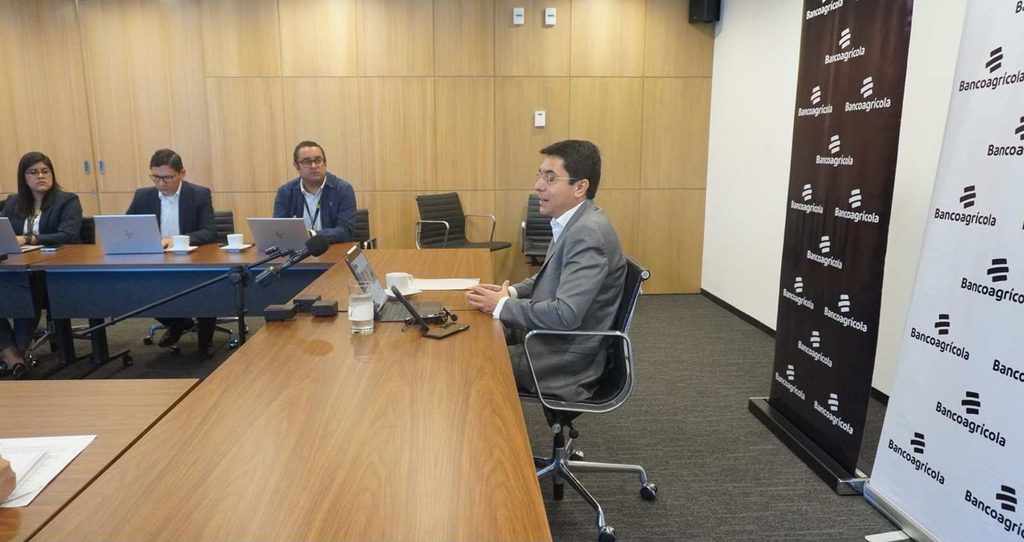
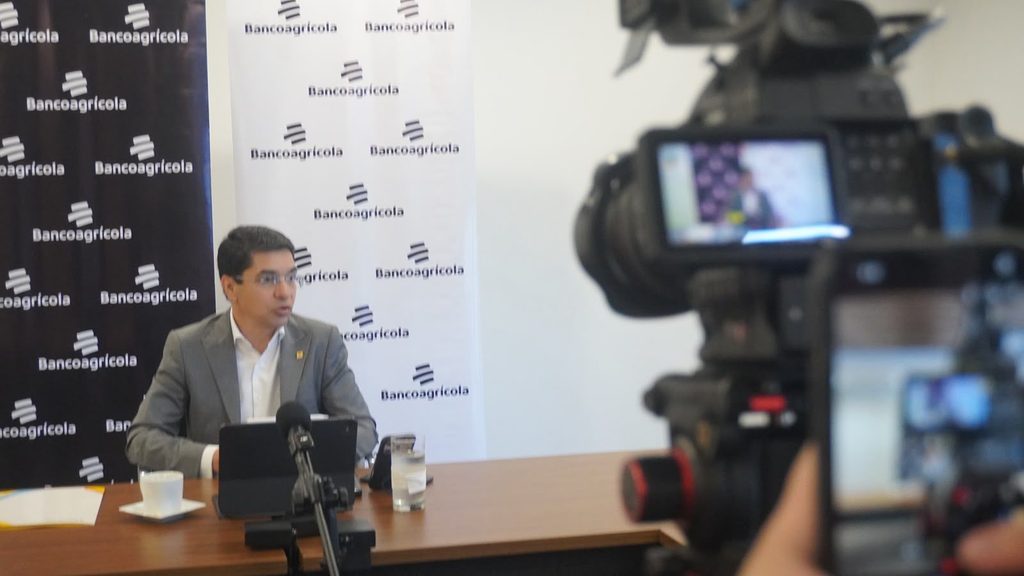
Alexander Pinilla, Financial Vice President of Bancoagrícola, explained the institution’s position within the financial system and the factors supporting its capacity to continue financing businesses and individuals. According to the data presented, the bank recorded assets of US$7,174.5 million and a loan portfolio of US$4,935.5 million. It also reported a 24.7% market share in loans and 25.3% in deposits, as well as a 42.4% share in savings accounts.
The entity reported a solvency ratio of 14.8%, a margin of 7%, a non-performing loan ratio of 1%, and a return on equity (ROE) of 22.5%. These indicators provide insight into various dimensions of performance: solvency reflects the capacity for back operations, while the non-performing loan portfolio offers a reference regarding loans in arrears. Together, they are among the elements used to assess the bank’s financial position and intermediation capacity.
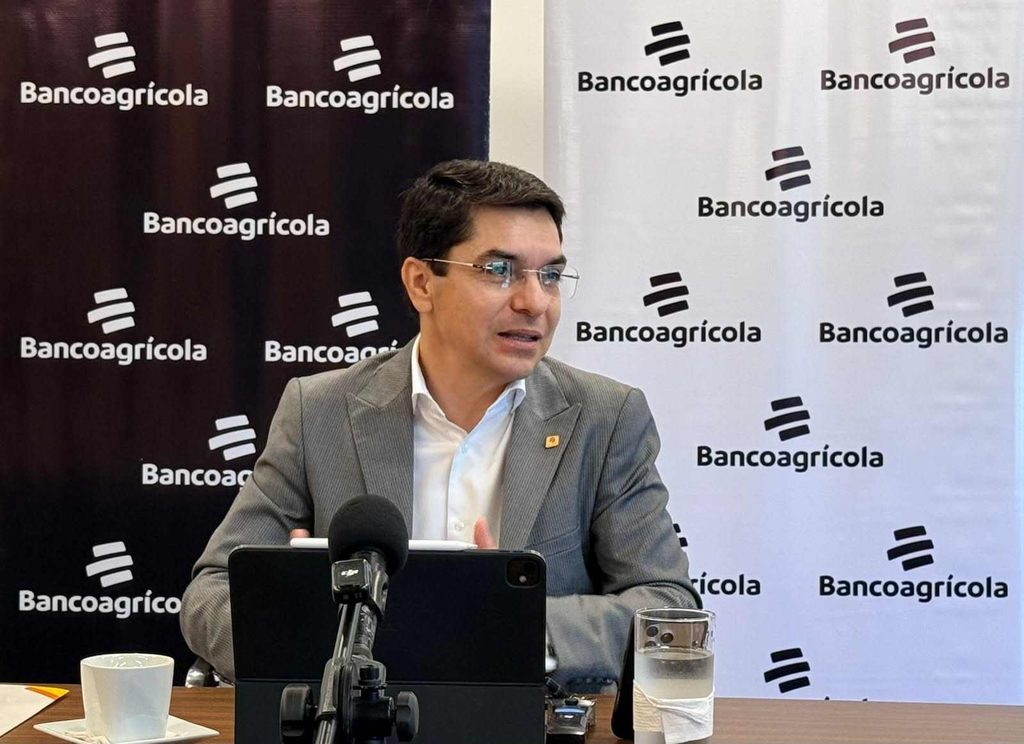
Pinilla also detailed the composition of the institution’s funding sources: 71% comes from demand deposits, 21% from time deposits, and 8% from bonds and institutional financing. This structure highlights the significance of customer deposits among the resources the bank uses for its lending operations, alongside other funding sources that complement their financing capacity.
The executive placed these results within a national context that has also seen shifts in the perception of sovereign risk and progress in the financial program with the International Monetary Fund (IMF). Figures presented by the bank indicate a country risk of 255 basis points on the EMBI index and a sovereign rating of B- with a stable outlook. Additionally, the IMF program involves a 40-month, US$1.4 billion agreement and enables a disbursement of approximately US$140 million following the requisite reviews. These elements are part of the financial environment in which companies and institutions operating in the salvadoran market conduct their business.
Sustainable financing and access to new resources
As part of its sustainability strategy, Bancoagrícola also highlighted the issuance of its US$25 million Bono Azul, a transaction aimed at mobilizing resources for projects linked to responsible water management and ecosystem protection. The issuance is part of a sustainable bond program of up to US$200 million and attracted participation from international investors, including IDB Invest, the LAGreen Fund, and Norfund. The transaction seeks to expand financing options for initiatives with environmental and social impact, while also contributing to the development of the salvadoran capital market.
The institution also reported securing US$120 million in subordinated debt from Bancolombia Panama, with a 10-year term. This type of financing expands the entity’s funding sources and can help strengthen its capital structure within applicable regulatory parameters.
Regarding customer service, Bancoagrícola reported a network of approximately 2,700 service points and noted that nearly 45% of its active customers use digital channels. This combination of in-person service and digital tools is part of its strategy to facilitate access to financial services in the country.
The results presented by Bancoagrícola thus encompass two interrelated dimensions: the institution’s financial performance and the salvadoran economic environment in which it deploys its resources. While national indicators show progress in economic activity, exports, remittances, and credit growth, the bank’s disbursements reflect how a portion of the financing is channeled toward corporations, agribusiness, small and medium-sized enterprises, financial inclusion, and sustainable projects. The challenge lies in ensuring these investments contribute to sustaining productive activity and expanding economic opportunities, within a context that also demands maintaining financial stability and advancing fiscal consolidation.
Read also: