

 dinero_admin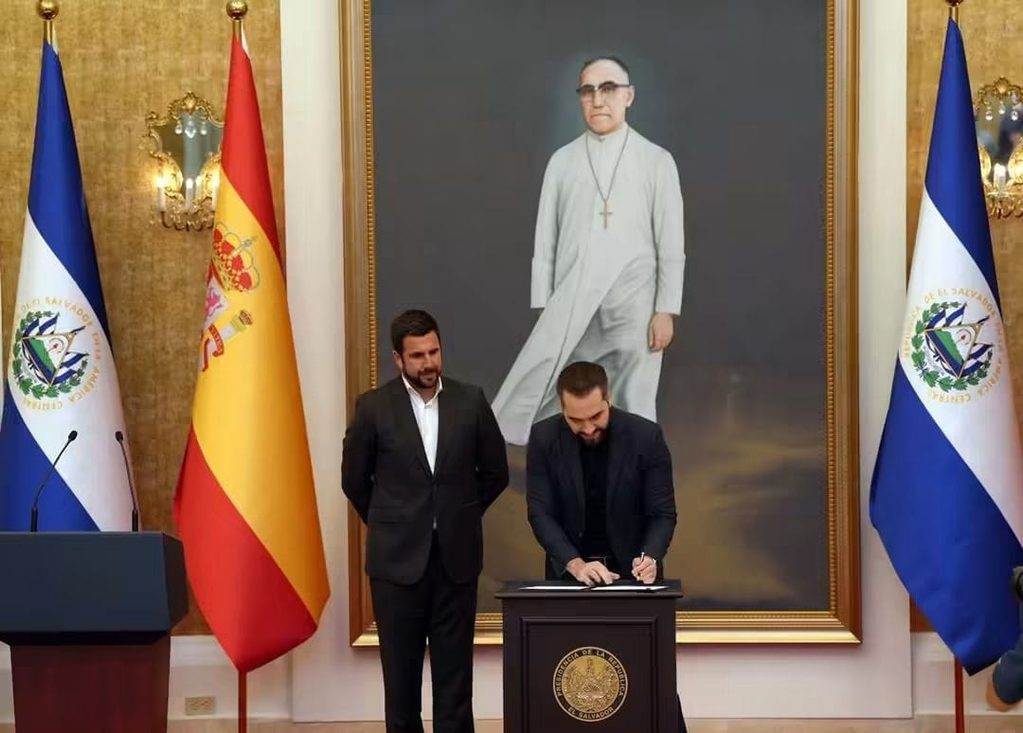
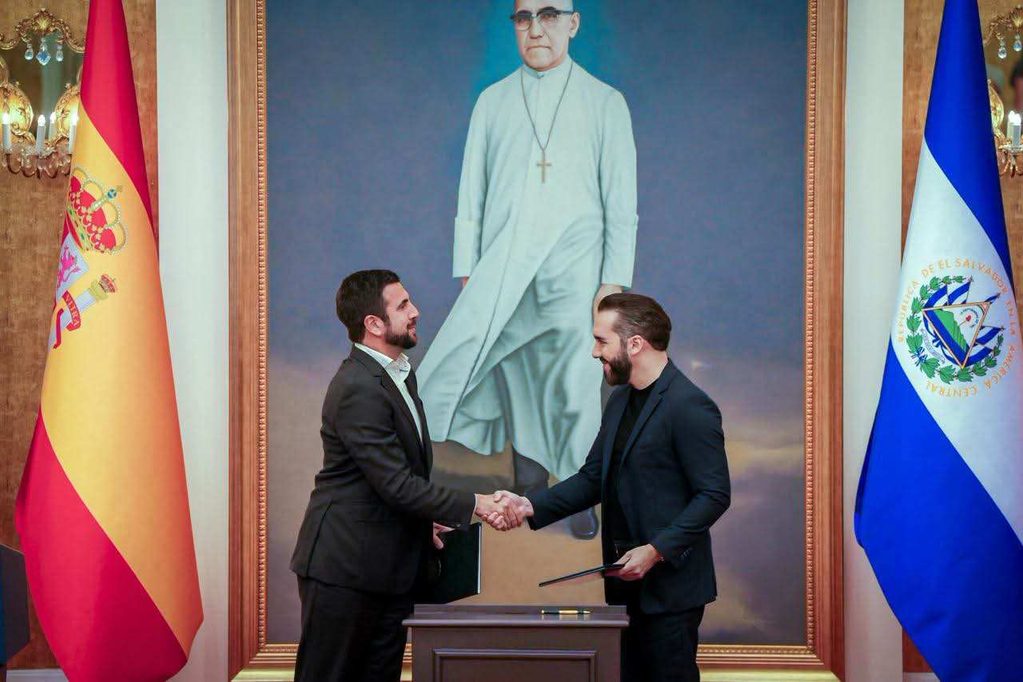
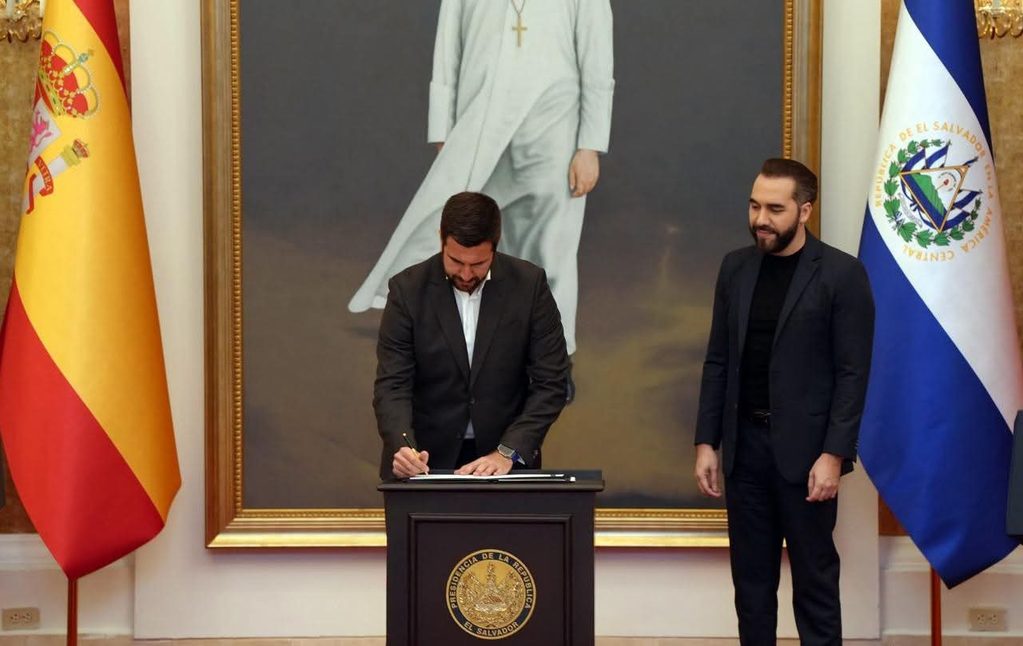
El Salvador has signed a $2.9 billion investment agreement with Grupo Cox, led by its Executive Chairman, Enrique Riquelme, to develop strategic projects in the electric power, natural gas, energy storage, and water resource management sectors. President Nayib Bukele announced that this agreement represents the largest private investment in the country’s history, featuring initiatives aimed at strengthening national infrastructure and expanding capacity to meet the needs of businesses and households.
Of the total amount, $1.8 billion will be allocated to natural gas infrastructure, including a 380-megawatt power generation plant and an onshore storage facility for fuel. This infrastructure will enable electricity generation and provide a supply of natural gas for other power generators and industrial sectors. Furthermore, it will open possibilities for trading the fuel with neighboring countries, such as Guatemala, thereby expanding business opportunities and regional energy exchange.
Another component of the agreement involves $300 million for battery-based energy storage systems. The project will launch with a capacity of 440 megawatts, with the potential for future expansion to one gigawatt (equivalent to 1,000 megawatts). This infrastructure will allow for the storage of electricity generated by solar plants during the day for later use, including at night, thereby maximizing the utilization of renewable energy and bolstering the reliability of the electricity supply.
The investment also includes $200 million for the installation of solar power plants. This component will complement the storage systems and help diversify the country’s energy sources. During his remarks, Bukele noted that the goal is to reduce reliance on more expensive and polluting power generation sources, such as bunker fuel, and stated that the new infrastructure coming online could help lower electricity rates for salvadoran households.
In the water sector, Grupo Cox will allocate US$600 million to projects aimed at improving water resource management, potable water supply, and sanitation. According to the president, this investment represents the largest sum ever dedicated to this type of infrastructure in the country’s history. These initiatives seek to strengthen essential services for the population and productive sectors, while also helping to develop water infrastructure capable of meeting the needs of both households and economic sectors.
The investment also reflects a commitment to strengthening the conditions necessary for companies to set up, operate, and expand in El Salvador. The availability of electricity, water, and fuel is crucial for the functioning of industries, businesses, and other productive ventures. Consequently, the development of these projects could facilitate new private investment, expand opportunities for business growth, and alleviate infrastructure constraints facing certain economic activities. Bukele noted that the total amount is equivalent to approximately 7% of the country’s gross domestic product (GDP).
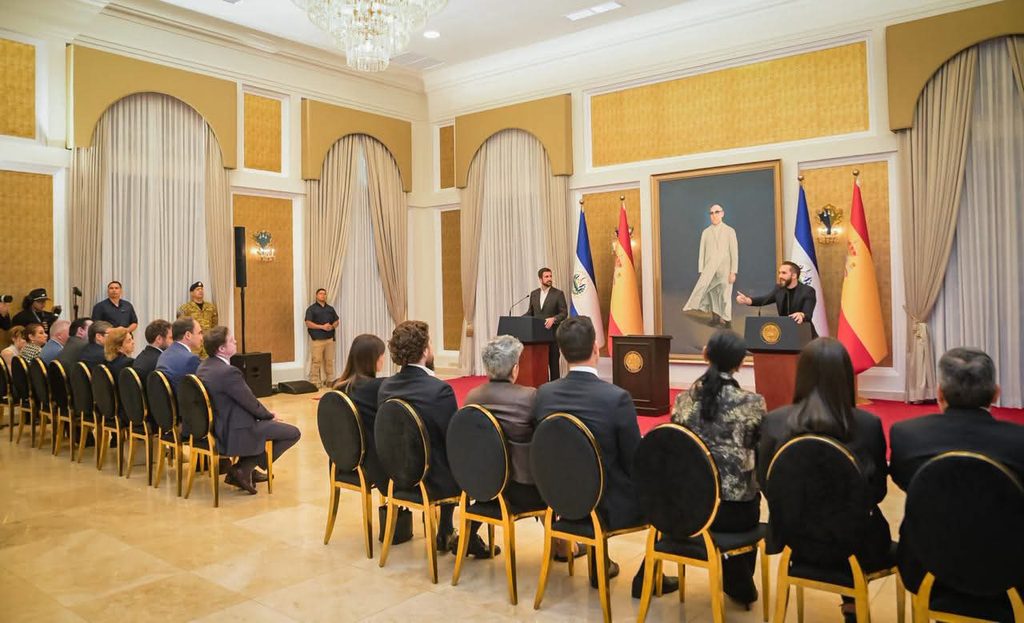
Regarding employment, the execution of these projects creates job opportunities across the construction, equipment installation, operation, and maintenance phases of the new infrastructure. Additionally, companies providing materials, transportation, technical services, and other related goods and services could participate in the various stages of development. Bringing these facilities online could also drive demand for specialized personnel in power generation, renewable energy, energy storage, and water management, while stimulating other activities linked to the investment.
With this agreement, the government is incorporating these energy and water projects into its economic stimulus strategy. Bukele compared Grupo Cox’s investment to two previously announced agreements: the $1.1 billion linked to Energía del Pacífico and the $1.6 billion related to Yilport’s port operations, totaling $2.7 billion. The new investment exceeds the combined value of both, aiming to strengthen sectors strategic to national development with the expectation of expanding energy capacity, improving water and sanitation services, generating job opportunities, and creating conditions to attract new business projects.
You may also read: