

 dinero_admin
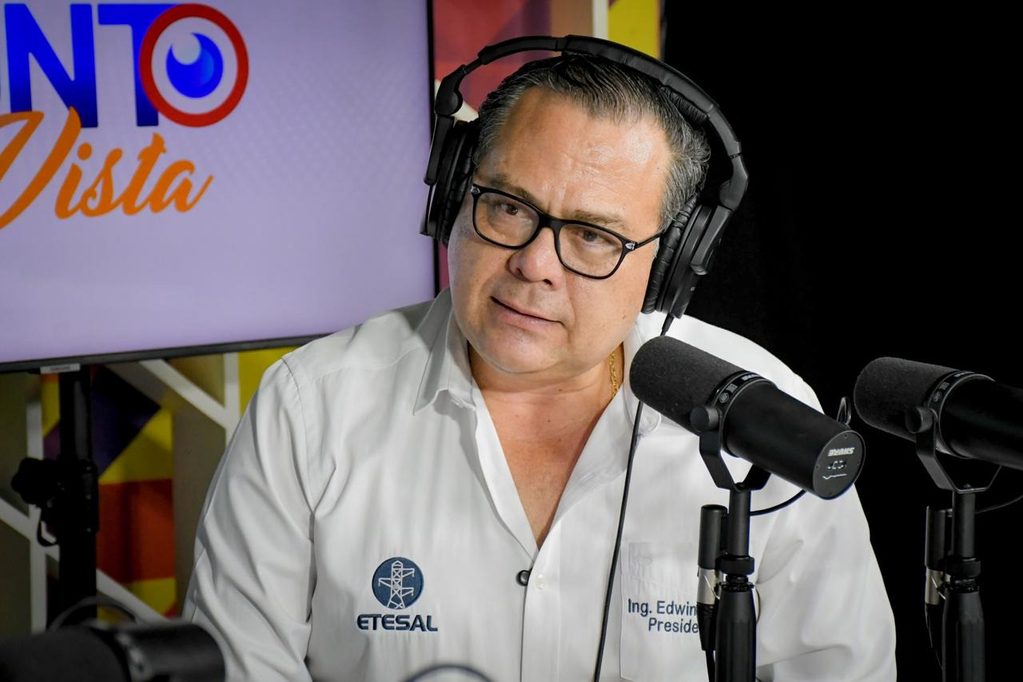
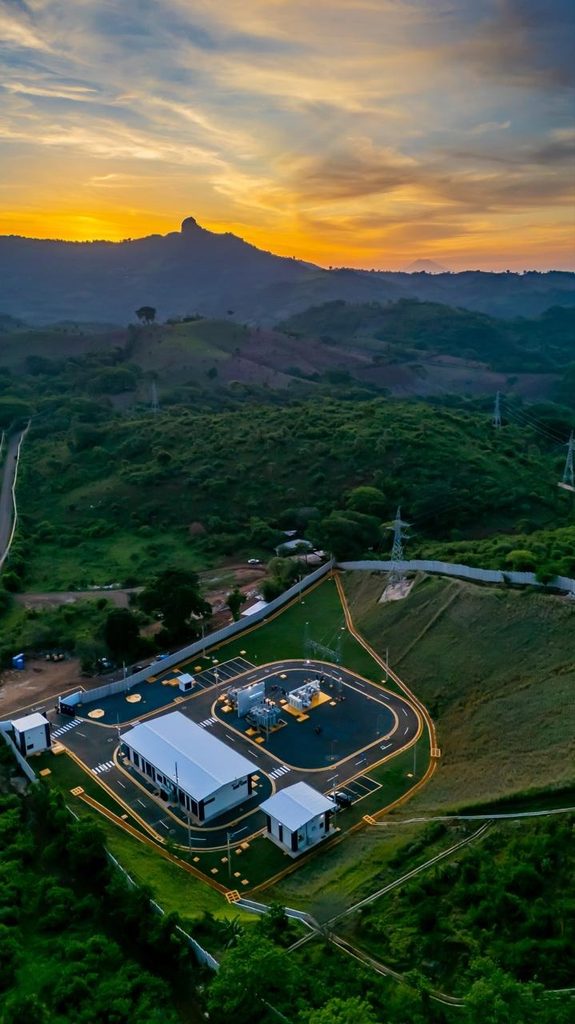
The Empresa Transmisora de El Salvador (ETESAL) plans to expand electrical transmission infrastructure in the eastern part of the country and strengthen connections between different regions, as part of efforts to improve the capacity and reliability of the power supply. The company’s president, Edwin Núñez, explained that the plan includes new substations in San Miguel, Morazán, and Pasaquina, as well as a 230,000-volt transmission line that will connect to the coastal area.
According to Núñez, this expansion aims to complete an electrical ring in the eastern part of the country. Such infrastructure provides alternative routes for transporting electricity when a line encounters issues or requires maintenance, thereby reducing reliance on a single connection and providing greater backup for the power supply.
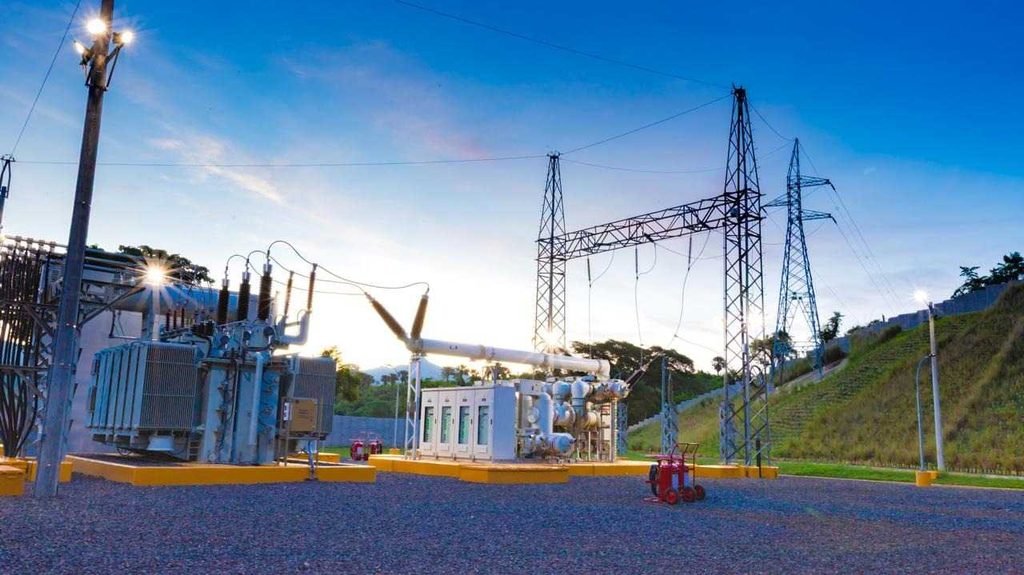
The new substations are facilities designed to transform voltage levels and distribute electricity appropriately throughout the grid. Their addition can bolster transmission capacity, facilitate the integration of new power generation sources, and address the electrical needs of the areas where the infrastructure is being expanded.
The official also highlighted that El Salvador has promoted the diversification of its electricity generation sources through solar and wind projects, among other energy initiatives. He cited the Metapán wind farm and the “Energía del Pacífico” project as examples of efforts to broaden the available options for electricity production.
Diversification involves using various sources to generate energy, rather than relying primarily on just one. Solar energy harnesses radiation from the sun, while wind energy utilizes the force of the wind. Employing multiple technologies can expand supply options, though their availability depends on climatic conditions and the capacity of each individual system.
Núñez further explained that new photovoltaic initiatives may incorporate battery storage systems to hold some of the electricity generated during the day, allowing it to be used when demand increases. This mechanism allows for better utilization of solar energy, making a portion of it available during times when generation decreases, provided there is sufficient storage capacity.
Expanding the transmission network and incorporating diverse generation sources are complementary elements for the electrical system. While solar and wind projects increase the options for electricity production, transmission lines and substations enable the transport of that electricity from generation sites to where it is needed. Coordination between these components is essential for maintaining the stability and reliability of the power supply.
Although ETESAL has presented these initiatives as part of its expansion plans, the information provided does not specify the investment amount, the implementation timeline, or the additional capacity the projects would contribute to. Such data will be crucial for assessing the economic scale of these undertakings and their potential contribution to strengthening El Salvador’s electrical infrastructure.
You may also want to read: