

 dinero_admin
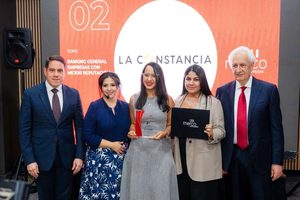
Walmart El Salvador and La Constancia have joined a business alliance that seeks to strengthen recycling and the circular economy in the country through waste separation stations that facilitate the responsible disposal of paper, cardboard, plastic, glass, and aluminum by consumers. The initiative, which also includes Nestlé, Ternova, and Unilever, projects recovering an additional 29 tons of recyclable materials and reaching 43,000 more people during the 2026-2027 period.
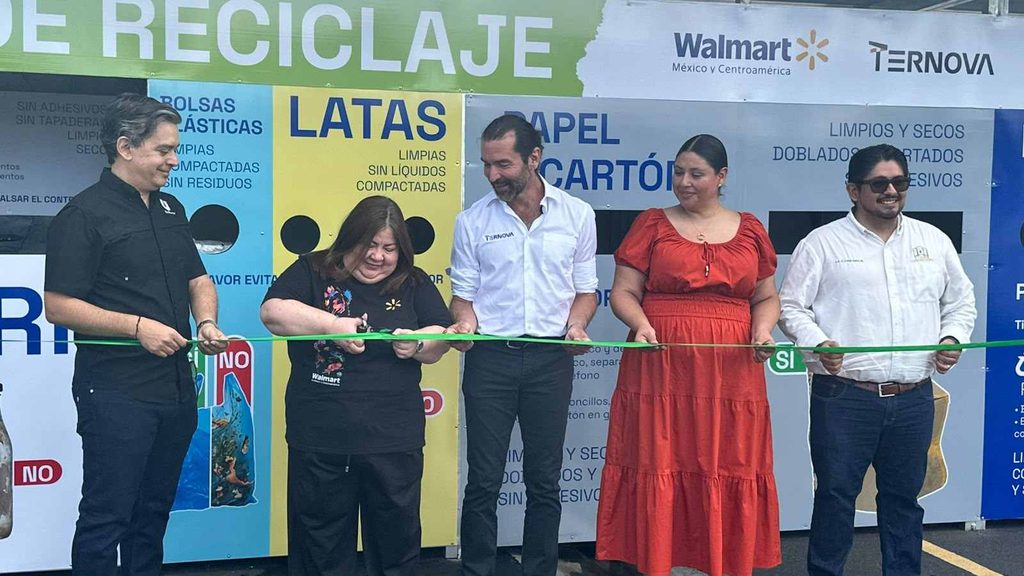
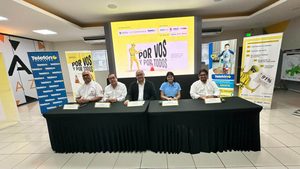
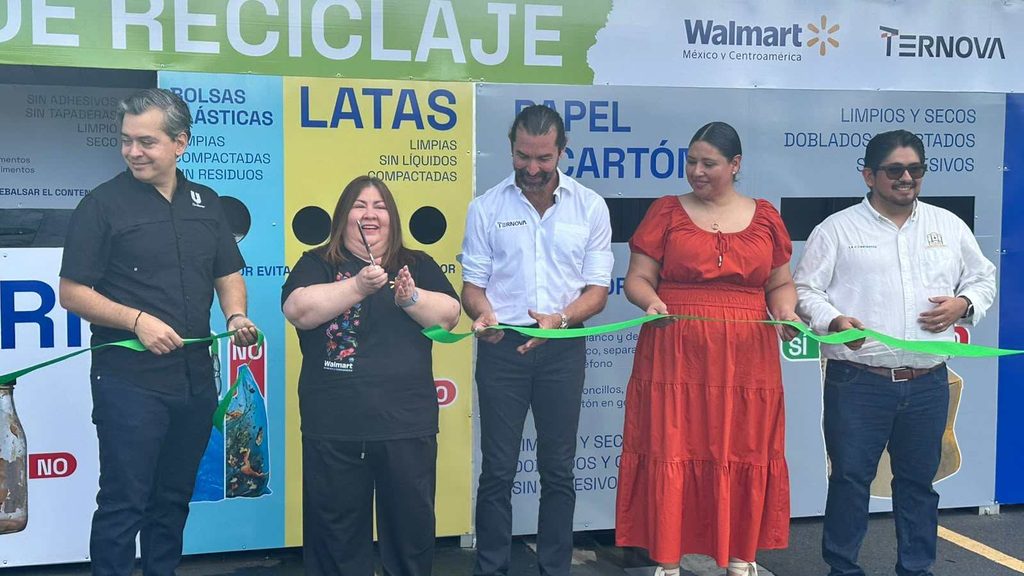
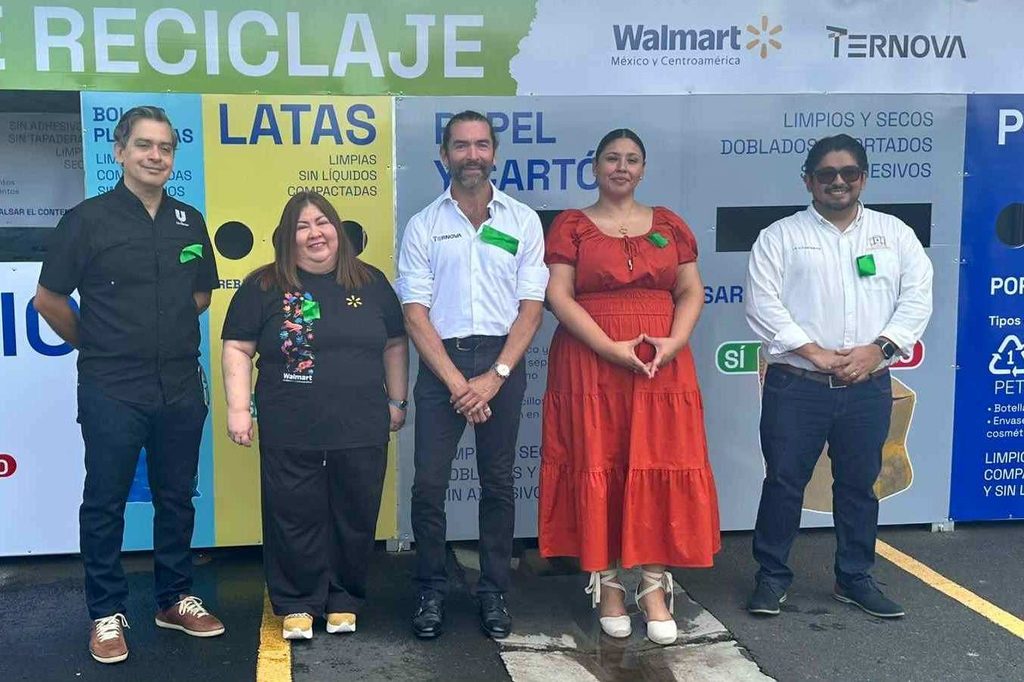
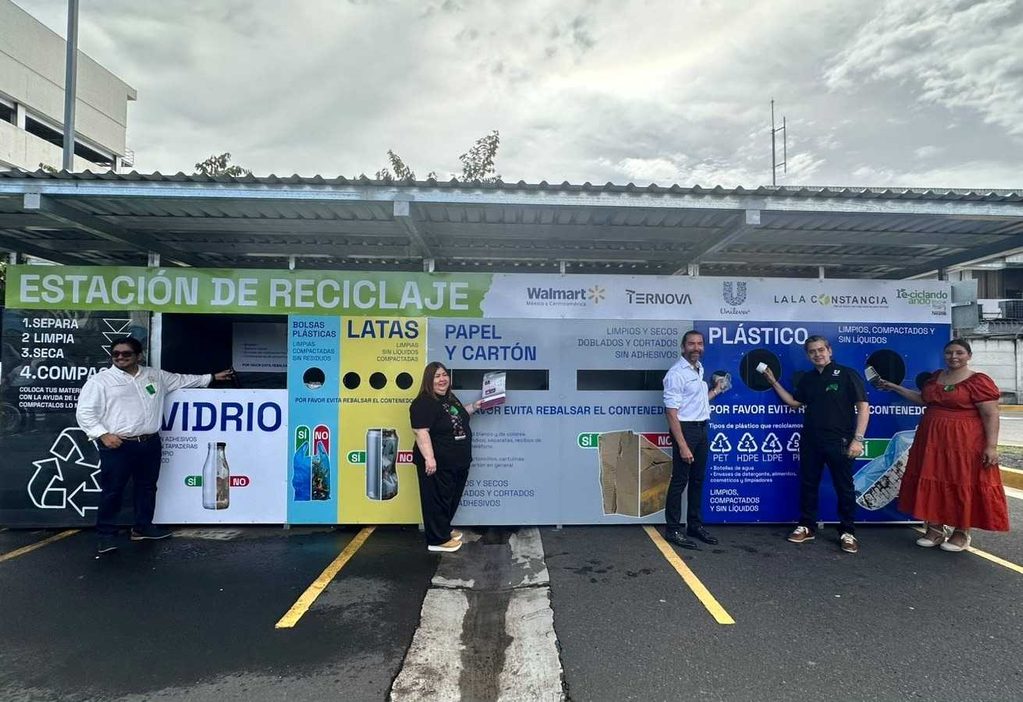
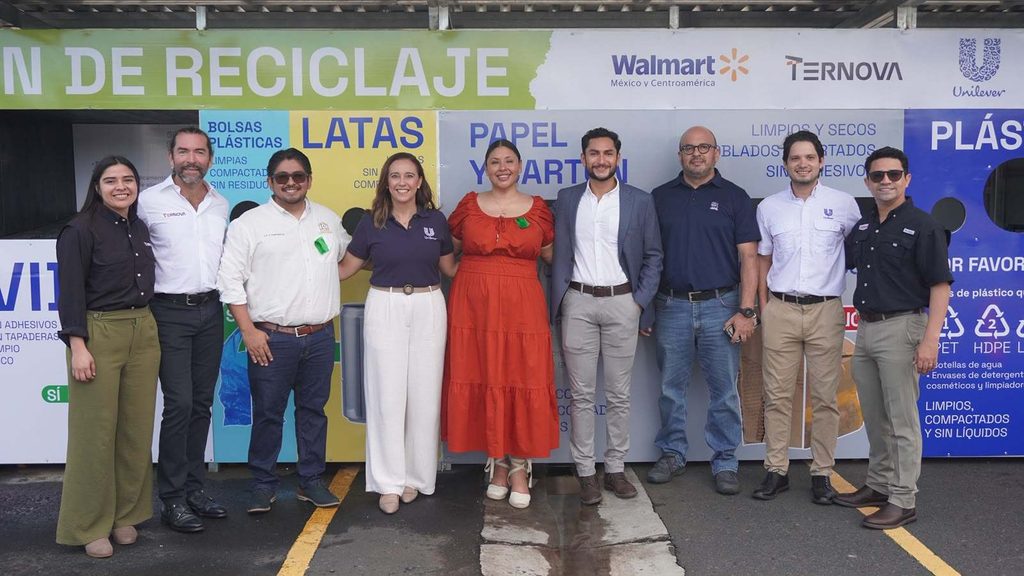
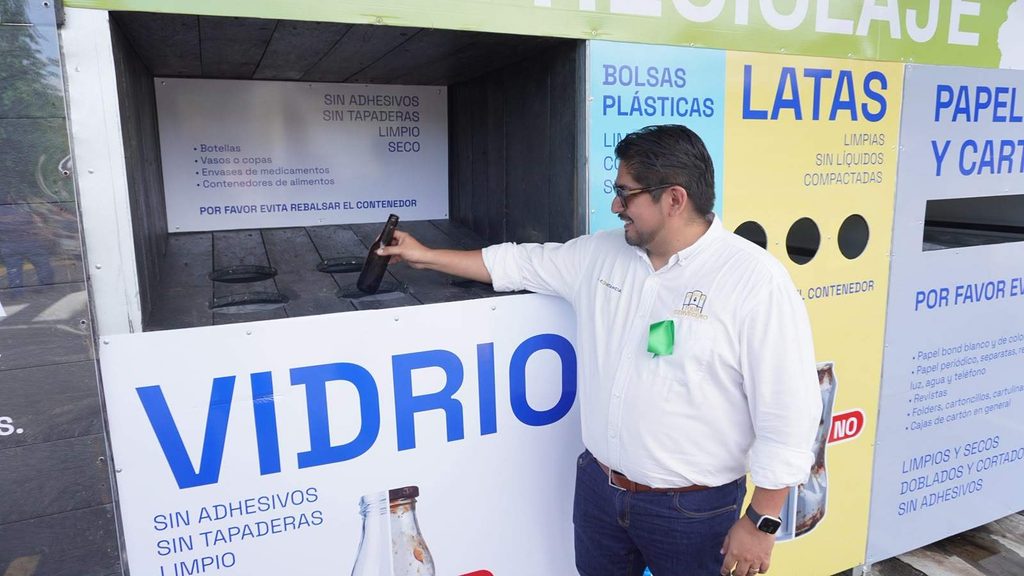
The announcement was made at Walmart Santa Elena, where the project originated in 2021 and whose station was renovated to mark the beginning of this new phase. With the addition of La Constancia and Unilever, the initiative expands collaboration among companies from different sectors to promote better waste separation practices and reduce the environmental impact of materials after consumption.
Five stations to facilitate recycling
Since its launch, the project has recovered more than 266 tons of recyclable materials and positively impacted more than 392,000 people. To continue these results, the five partners have set new goals aimed at expanding waste recovery and making recycling options more accessible to consumers.
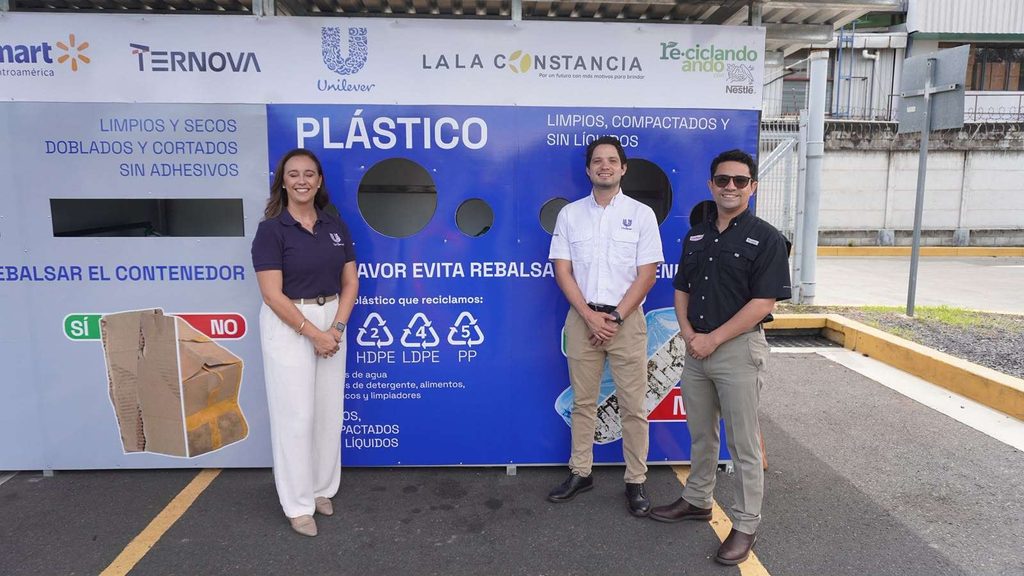
The stations will be located at Walmart Santa Elena, Walmart Escalón, and Walmart Constitución, as well as at Despensa de Don Juan Jardines de Merliot and Despensa de Don Juan Holanda. These locations aim to make it easier for people to drop off their recyclable waste at accessible locations and help bring materials back into the production chain.
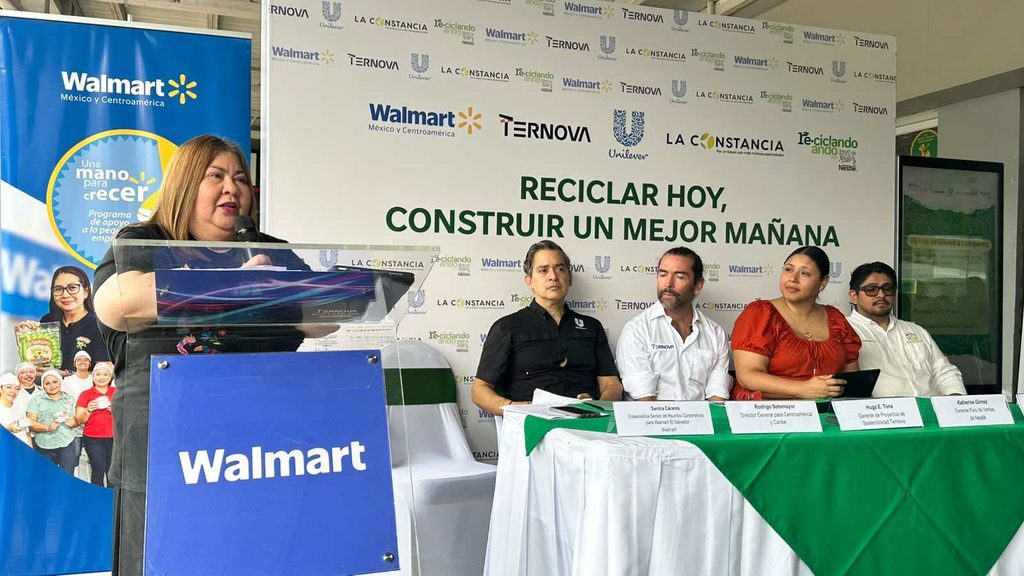
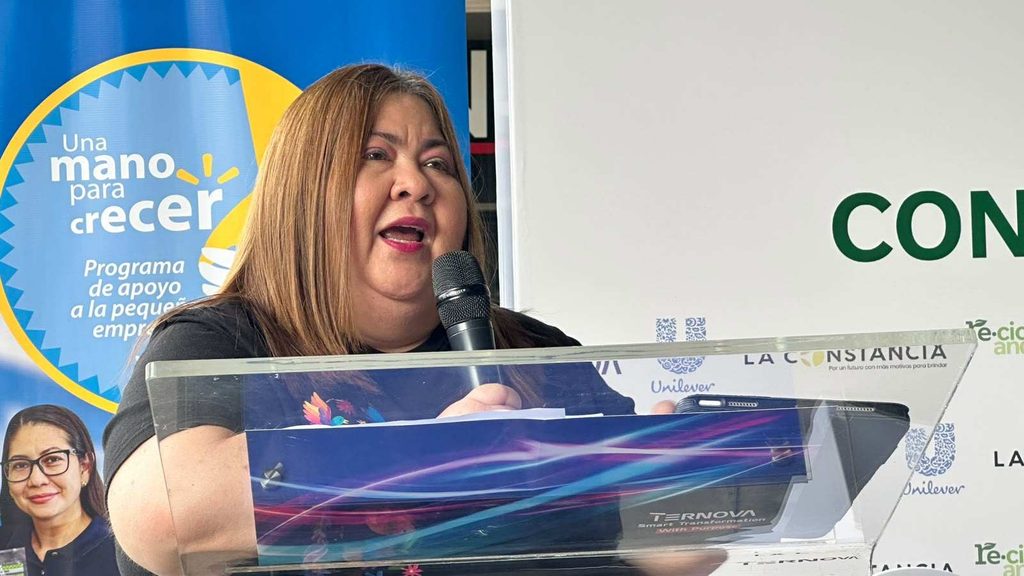
Sandra Cáceres, Senior Corporate Affairs Specialist at Walmart El Salvador, emphasized that the partnership reflects the company’s vision of becoming a regenerative company that places people and the planet at the heart of its business decisions.
The representative explained that Walmart was already working with Nestlé and Ternova on this initiative, so the addition of La Constancia and Unilever represents an opportunity to strengthen the program’s reach. She also noted that customer participation is essential to fostering a recycling culture and moving toward a circular economy.
La Constancia is committed to collaborative work
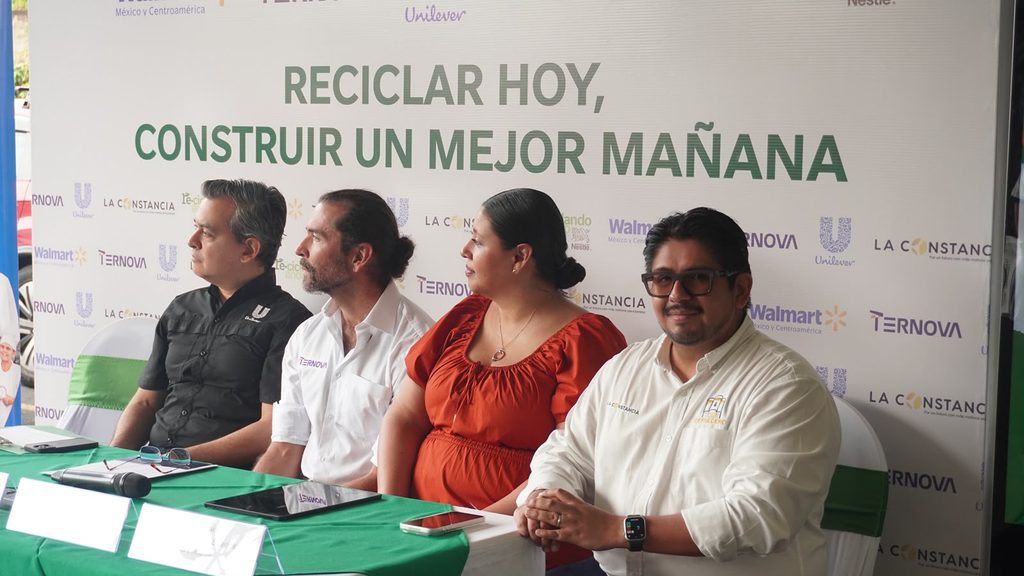
For La Constancia, joining the project represents an opportunity to expand its sustainability efforts and strengthen consumer participation in waste management. The company, with over 120 years of presence in El Salvador, develops circular economy initiatives through its Hagámosla Circular program.
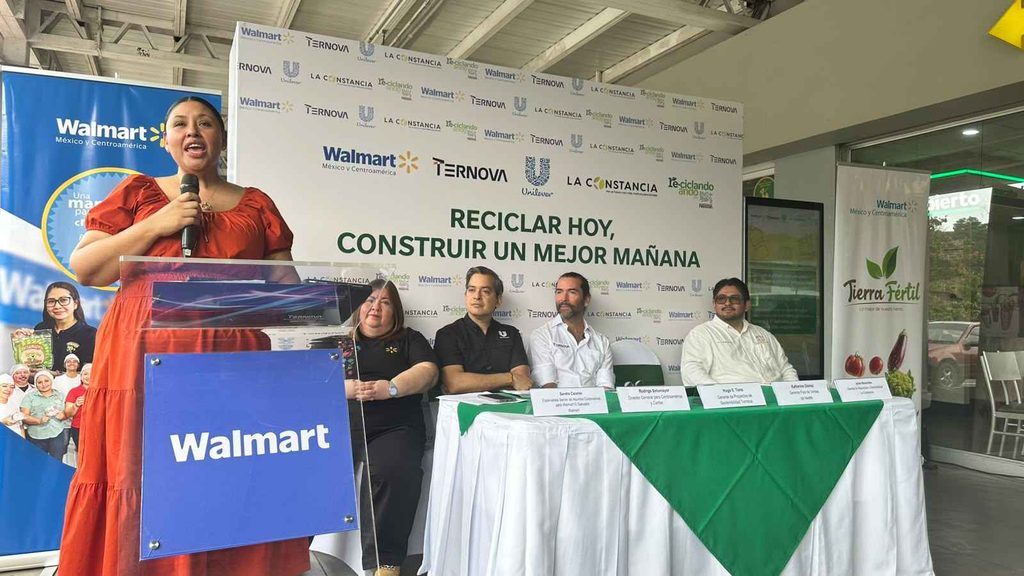
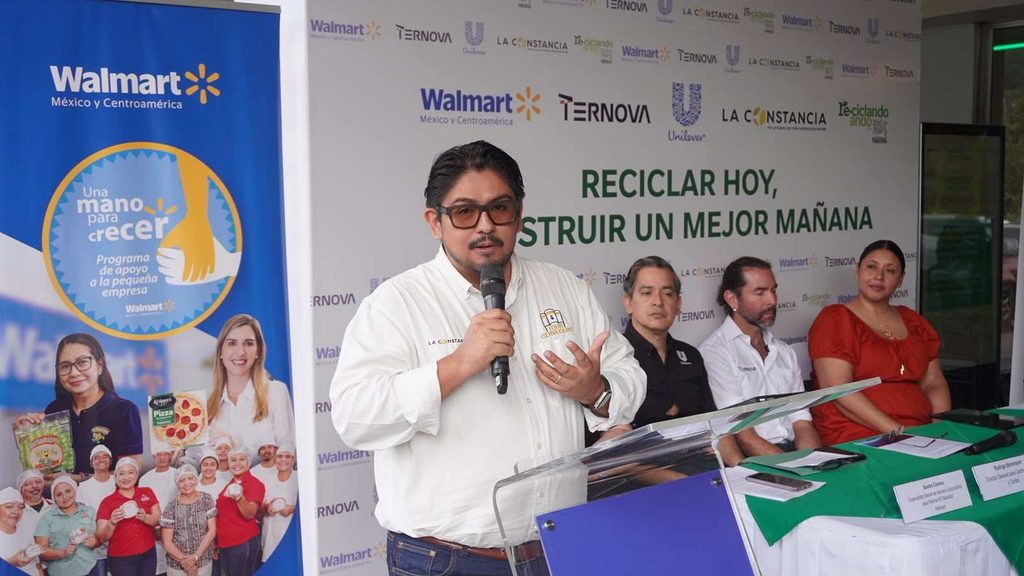
Javier Benavides, La Constancia’s Reputation and Sustainability Manager, noted that environmental challenges require the participation of different companies and sectors, as well as the collaboration of communities. He explained that the project links environmental stewardship with the economic activity generated by recycling, including the work of small and medium-sized waste collectors.
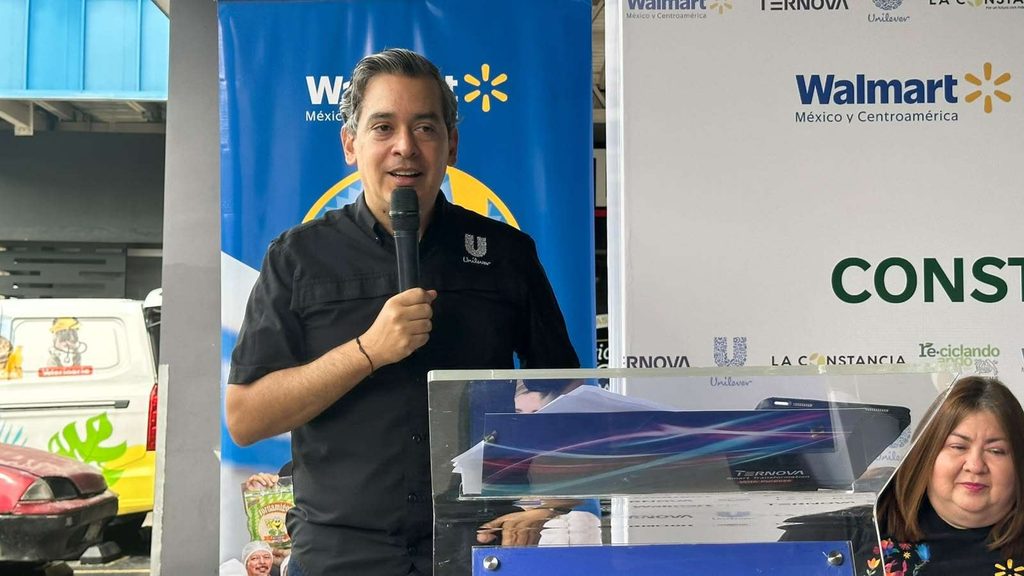
Benavides also highlighted that the collection stations offer an answer to a frequently asked question among consumers: where can they take their recyclable materials? These spaces provide people with an alternative for disposing of their waste in an organized manner and contributing to its reuse in production processes.
Nestlé and Ternova have supported the project since its inception
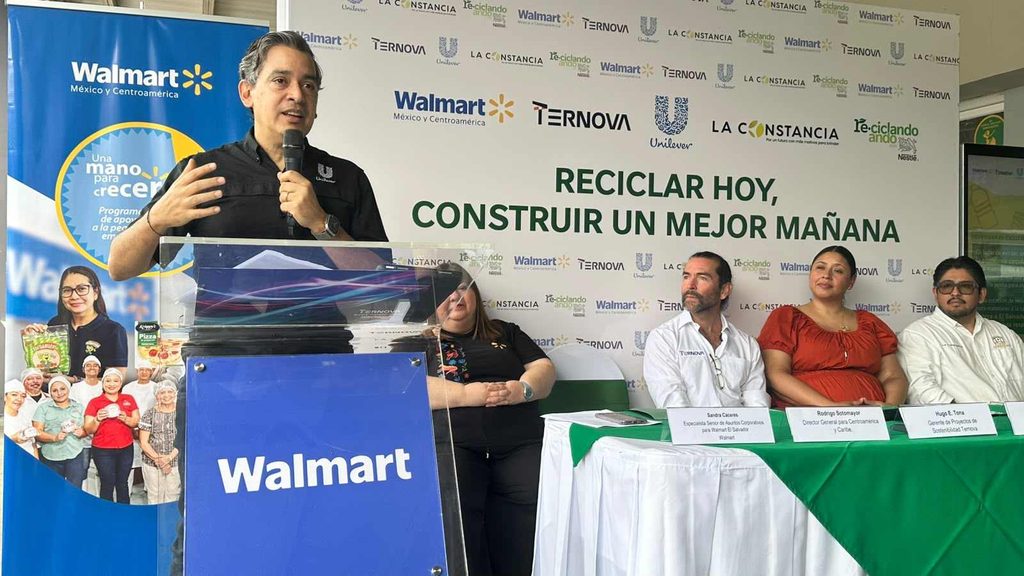
Nestlé is one of the founding partners of the initiative and reaffirms its commitment through its regional strategy, Reciclando Ando aimed at promoting the collection, sorting, and recycling of post-consumer materials.
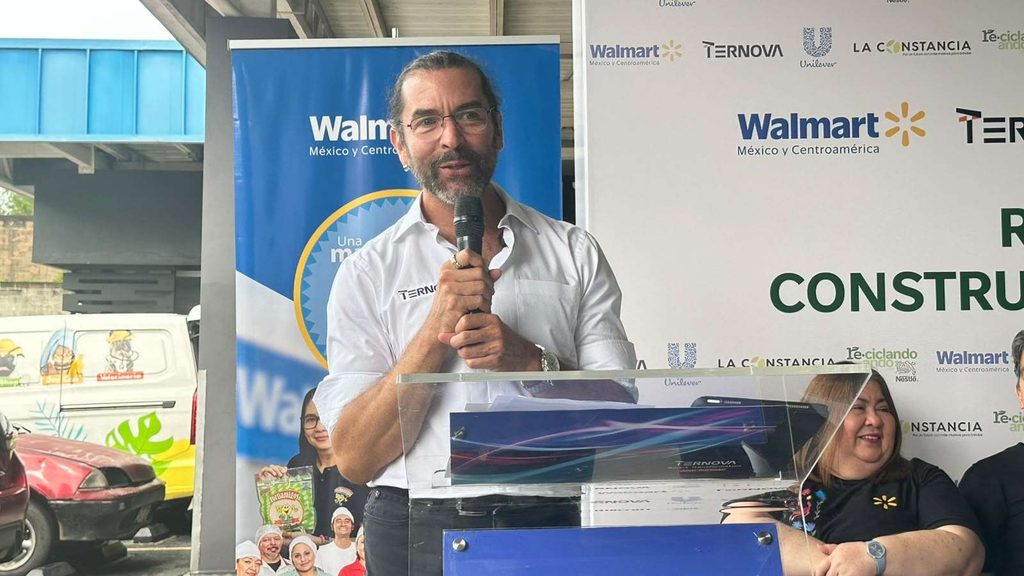
During the event, Katherine Gómez, a Nestlé representative, highlighted that the project began five years ago in partnership with Walmart and Ternova, and that the results achieved demonstrate the value of working together. She also expressed interest in expanding the participation of companies and consumers to promote more responsible waste management.
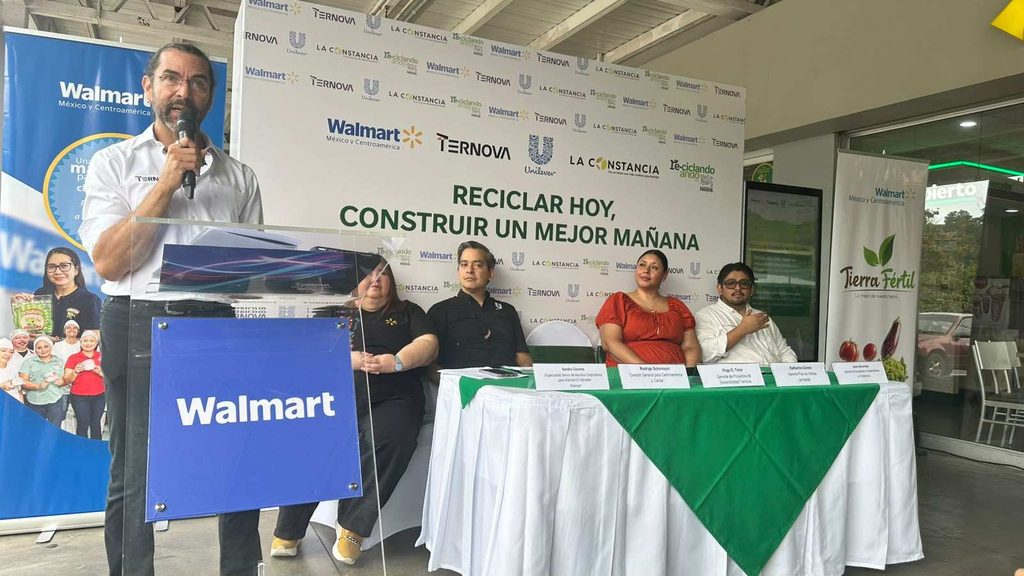
Ternova, through its Recicla 503 program, is responsible for collecting and processing the materials deposited at the collection stations. This work connects consumer participation with the recycling chain and creates opportunities for informal waste pickers who are part of this economic activity.
Hugo Eduardo Tona, Sustainability Projects Manager at Ternova, recalled that the first station was installed at Walmart Santa Elena in 2021 as a pilot program initially planned to last one month. Five years later, the project continues and enters a new phase with more companies involved.
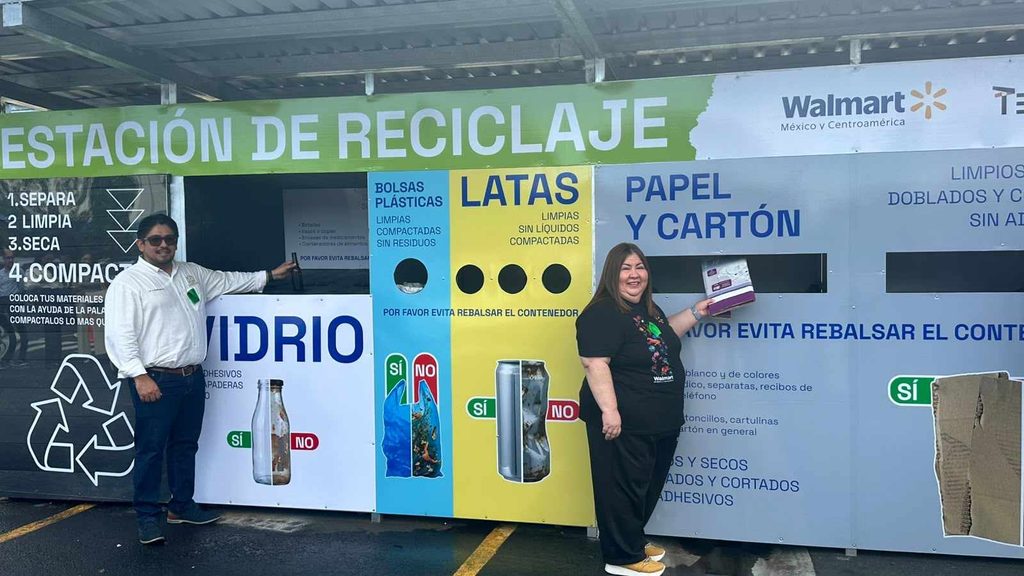
Tona emphasized that the initiative’s impact depends both on the available infrastructure and on people choosing to separate their waste and take it to the designated collection points. He therefore encouraged consumers to use the stations and extend these practices to their homes and communities.
Unilever joins the circular economy
Unilever joins the alliance to contribute its expertise in sustainability, packaging management, and the circular economy. Rodrigo Sotomayor, general manager for Central America and the Caribbean, noted during the event that collaboration between companies is essential to expand recycling infrastructure and ensure that materials have a second life after use.
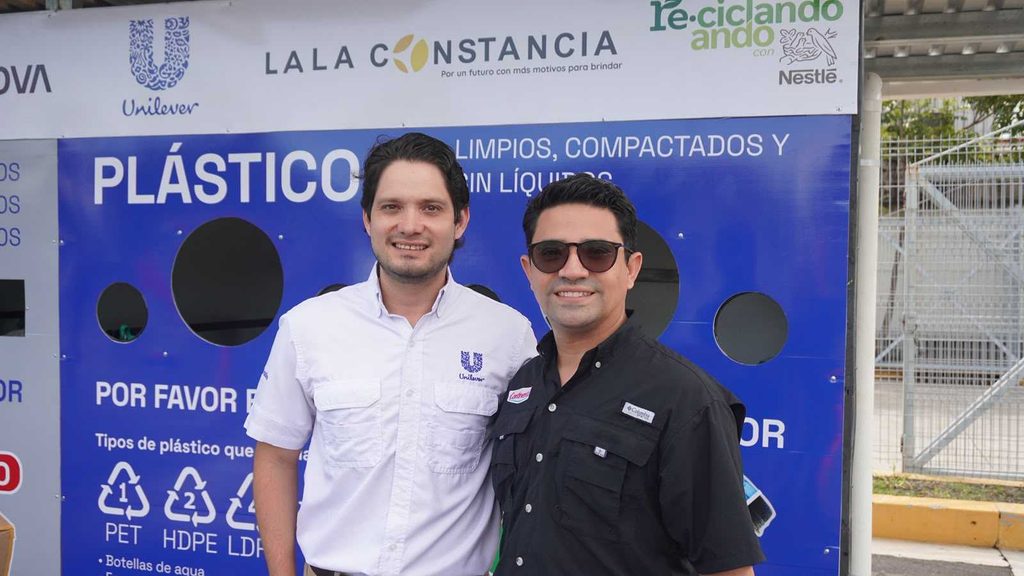
The representative explained that environmental responsibility doesn’t end with designing recyclable packaging or incorporating recycled materials; it also requires consumers to separate their waste and dispose of it properly. As part of its global sustainability strategy, Unilever has committed to reducing its use of virgin plastic by 40%, using 2019 levels as a baseline, as presented during the event. The company also aims to incorporate more recycled materials into its packaging and strengthen post-consumer recovery initiatives.
Environmental education to change habits
In addition to recovering materials, the partnership includes environmental education campaigns for consumers visiting stores and nearby communities. These initiatives will explain how to properly separate waste and why it’s important to deliver it in suitable conditions to facilitate its reuse.
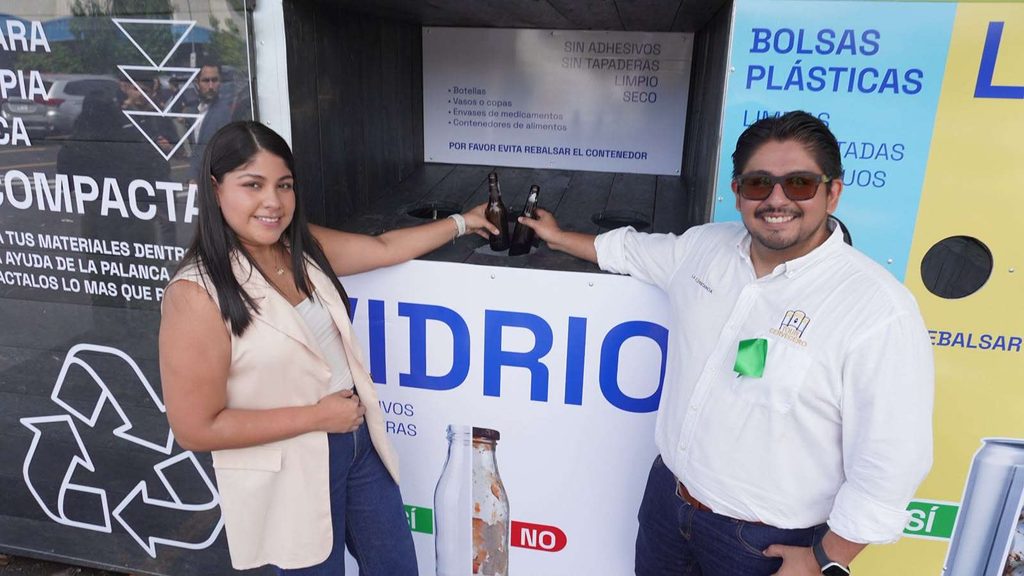
The organizers recommend bringing clean materials and depositing them in the appropriate receptacle. Paper, cardboard, glass, plastic, and aluminum can be reintegrated into production processes when properly recovered and processed.
With the goal of recovering an additional 29 tons of recyclable materials and reaching 43,000 more people during 2026-2027, Walmart, La Constancia, Nestlé, Ternova, and Unilever are working to consolidate a collaborative model that connects companies with consumers and recycling stakeholders. The objective is for waste separation to cease being an occasional action and become a daily habit that contributes to reducing pollution and strengthening the circular economy in El Salvador.
You can also read: