

 dinero_admin
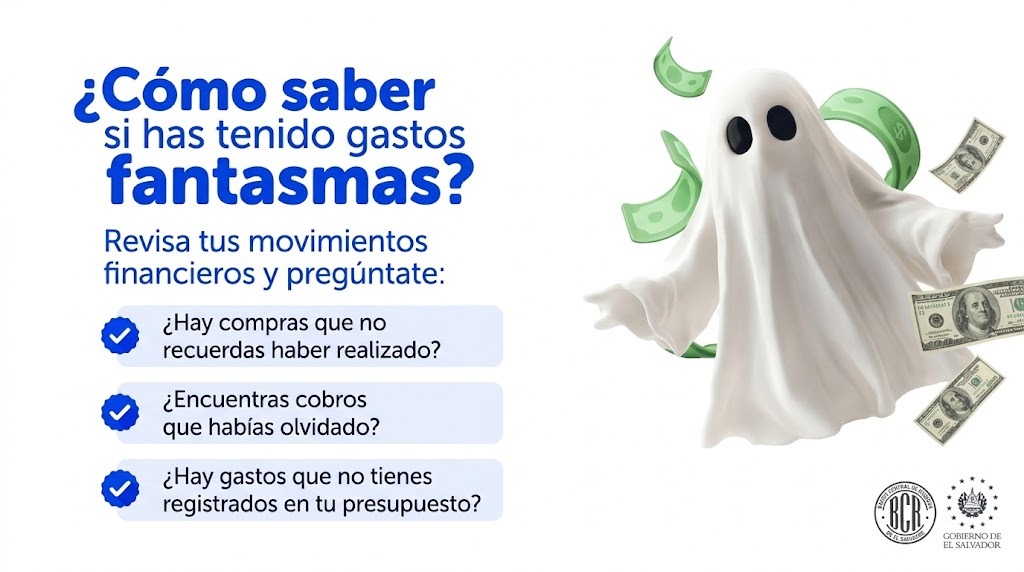
The Banco Central de Reserva (BCR) of El Salvador explains that identifying so-called “ghost expenses” provides a better understanding of how money is spent and helps uncover outlays that often go unnoticed,yet can still impact a personal or family budget.
Ghost expenses are payments or purchases that a person overlooks when reviewing their finances. These might include small charges one has forgotten, purchases one doesn’t recall making, or expenditures that were never factored into monthly financial planning. While each individual item may seem insignificant, they can accumulate over time, reducing the funds available for essential needs or savings goals.
To spot them, the BCR recommends reviewing financial transactions and considering three key questions: Are there purchases you don’t remember making? Are there charges you had forgotten about? Are there expenses that aren’t recorded in your budget? These questions help identify discrepancies between planned spending and the actual money that has left your accounts.
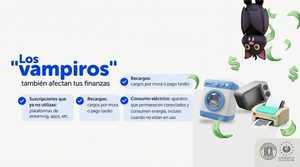
A practical way to conduct this review is to examine bank statements, credit or debit card transactions, and digital payment records. It is also wise to check purchase receipts and active subscriptions; some recurring charges may continue even if you no longer use the service, or have simply forgotten that you signed up for it.
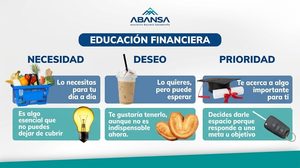
Once these expenses are identified, categorize them to determine which represent essential needs, which are occasional purchases, and which could be avoided entirely. For instance, if you find a service you no longer use, consider canceling it. If you discover impulsive purchases or unplanned spending, set limits to reduce how often they occur.
The next step is to update your monthly budget. Recording actual payments provides a clearer picture of how much money is being allocated to food, transportation, utilities, entertainment, and other commitments. With this information, you can adjust your spending, prioritize essential needs, and set aside funds for savings.
Furthermore, reviewing your finances regularly helps to detect unusual charges. If an unrecognized transaction appears, it is advisable to first check whether it corresponds to a forgotten purchase or a recurring charge; if it still cannot be identified, you should contact the relevant bank or provider to request clarification.
Identifying “ghost” expenses does not mean eliminating all small expenditures but rather understanding where your money is going so you can make more conscious decisions. As the BCR suggests, reviewing financial transactions and comparing them against your budget is a useful tool for improving control over personal finances and preventing forgotten outlays from undermining your economic stability.
You may also want to read: