A. M.
A. M. 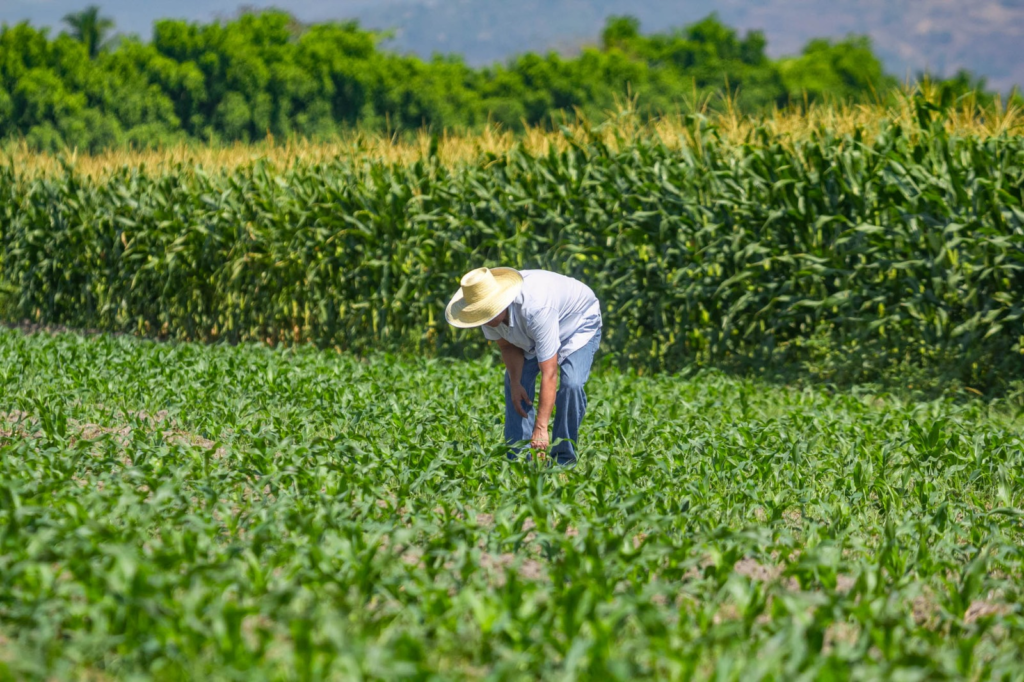
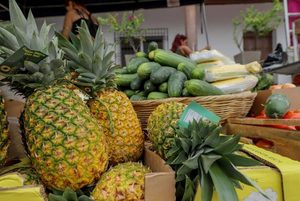
The Government of El Salvador projects to surpass national production of corn, beans, vegetables, fruits, and greens by 2026, because of a comprehensive strategy to support the agricultural sector, which aims to strengthen food security and reduce dependence on imports.
According to the Ministerio de Agricultura y Ganadería (MAG), benefit programs for producers were expanded last year, reaching more than 37,000 farmers nationwide. These actions are geared towards improving crop yields, diversifying crops, and ensuring the sector’s sustainability.
Among the main incentives are specialized technical assistance, the provision of low-cost inputs, seed capital, and guaranteed marketing of products—measures that have allowed farmers to improve their production processes and achieve greater stability in selling their harvests.
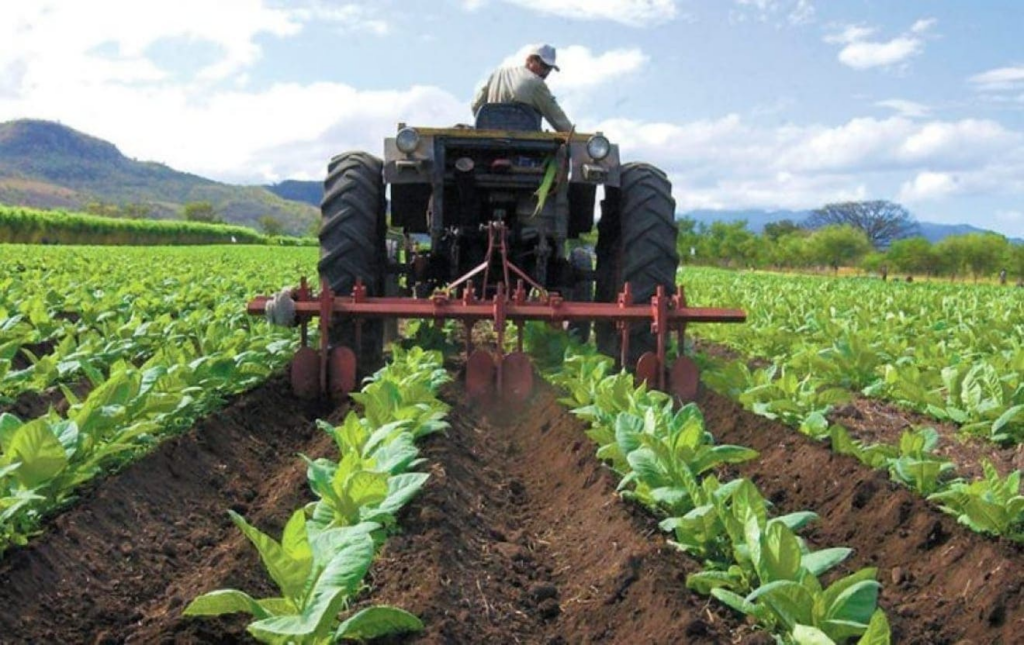
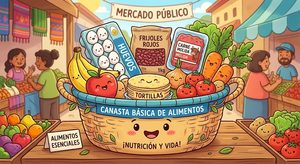
In the case of staple grains, the government estimates a production of around 20,000 manzanas (approximately 20,000 acres) of beans, a volume that would cover national self-sufficiency needs. A similar scenario is projected for corn, a cornerstone of the salvadoran diet, representing significant progress toward the country’s food self-sufficiency.
According to MAG, authorities, there are currently 17,000 registered bean producers and more than 10,000 corn producers, while, when fruits, vegetables, and greens are included, the total number of farmers benefiting from the program exceeds 37,000. This growth reflects a sustained expansion of the productive sector and greater inclusion of small and medium-sized producers in government programs.
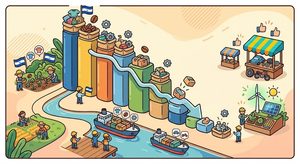
Another significant advance is the diversification of production areas. The country has gone from concentrating crops in traditional areas to having more than 120 production zones, especially for fruits, vegetables, and greens. More than 2,300 manzanas (approximately 2,300 acres) are cultivated in these areas, contributing to a more varied and consistent food supply.
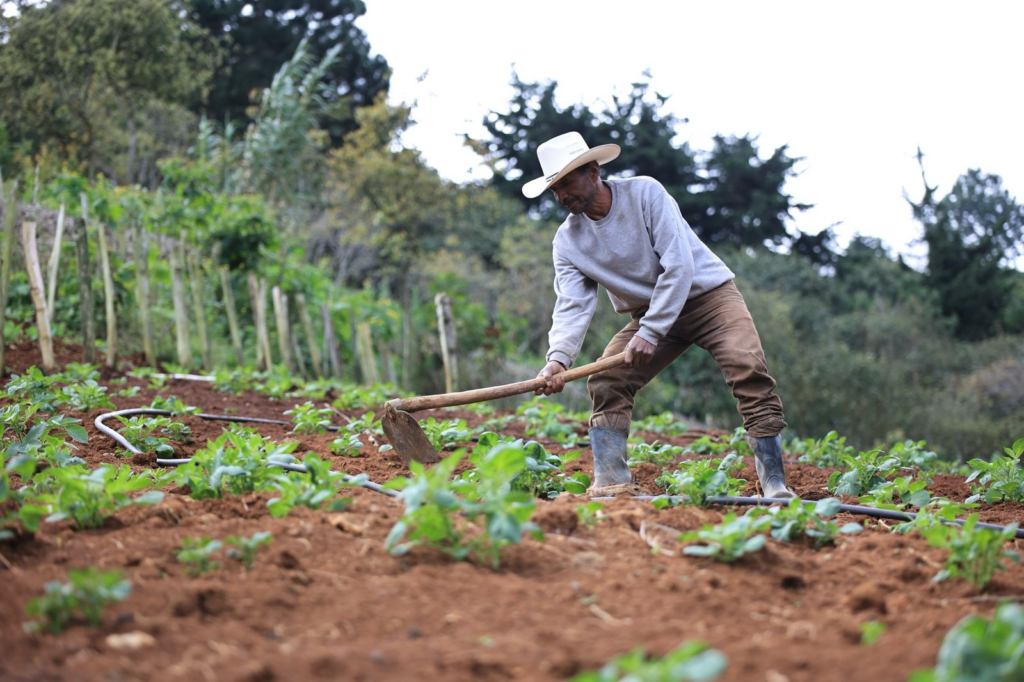
Furthermore, the strengthening of agricultural infrastructure and technical support have allowed producers to no longer depend exclusively on the rainy season. Currently, many farmers achieve up to four planting and harvesting cycles per year, increasing productivity and reducing climate-related risks.
With these measures, the Government is promoting a long-term strategic plan that seeks to guarantee food supply, improve producers’ incomes, and consolidate the agricultural sector as a key component of the country’s economic and social development. The projection for 2026 aims for a more productive, diversified, and resilient agriculture, capable of responding to the needs of the domestic market.
You can also read: