


 A. M.
A. M. 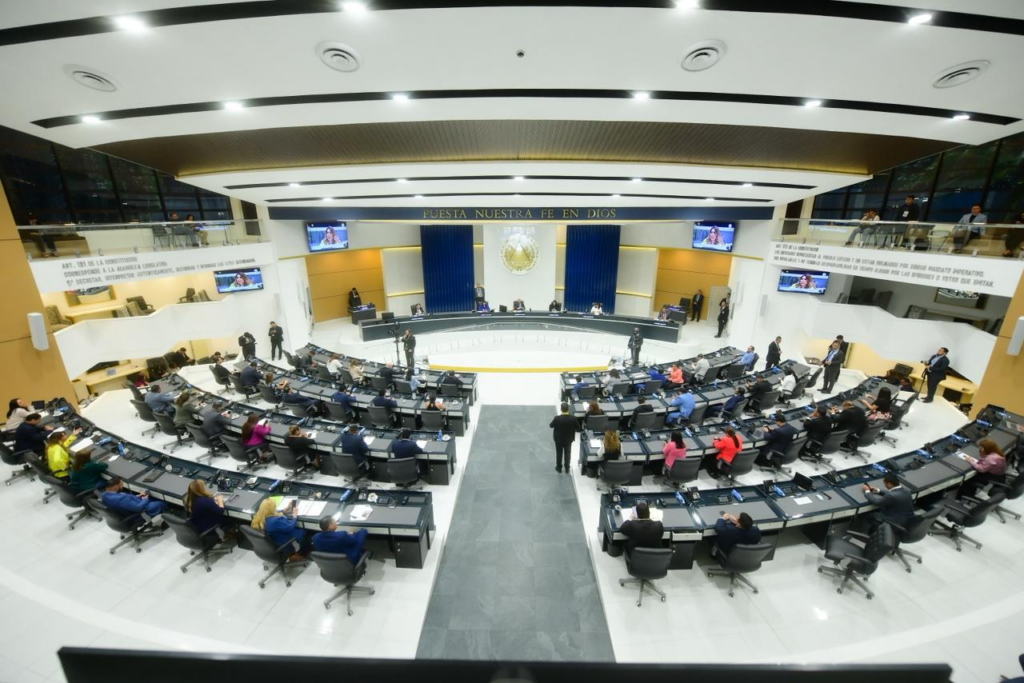
With 56 votes, the Legislative Assembly repealed Article 10 of the Banking Law, a provision in effect since 1999 that stipulated that 51% of the shares of national banks had to belong to salvadorans or Central Americans. The measure seeks to promote financial competition, attract new capital, and expand access to credit in the country.
The decision was made during the 100th plenary session, as part of reforms aimed at eliminating barriers to foreign investment and strengthening the financial system.
What did Article 10 stipulate?
The now-repealed article regulated that most shares in salvadoran banks had to be held by salvadoran or Central American individuals, or even by banks from the region. This requirement limited the possibility of investors of other nationalities holding a majority stake in local financial institutions.
According to legislators, this condition represented a restriction that hindered the entry of new competitors into the salvadoran banking market.
Greater competition and access to credit

With the elimination of this provision, the door is opened to the arrival of new financial players, which could translate into a greater supply of products and services, as well as more credit options for the population and the business sector.
The parliamentarians pointed out that allowing the participation of new capital will help to revitalize financial intermediation, promote technological innovation in the sector, and generate conditions of greater competition, which could eventually benefit users with better credit terms.
Congresswoman Dania Hernández stated that, after 27 years of the Banking Law being in effect, it was necessary to eliminate this barrier. “Twenty-seven years have passed since the Banking Law was approved, and that is why the repeal of Article 10 is necessary, because it is a barrier that limits us from bringing in new financial players, new technologies, and opportunities for Salvadorans in the financial sector”, she said.

Boosting investment
The repeal is part of a series of initiatives supported by lawmakers to strengthen the investment climate and create conditions that facilitate the arrival of foreign capital.
With this reform, the country seeks to modernize its financial regulatory framework, attract international investment, and expand the sources of financing available to citizens and the productive sector, in a context where competitiveness and open markets are key to economic growth.
You can also read: