


 A. M.
A. M. 
Fuel prices in El Salvador could increase by $0.30 to $0.40 per gallon in the coming days, according to estimates by economist Francisco Lazo, who made these statements during a television interview. The specialist explained that recent fluctuations in the international oil market could be passed on to the local market.
According to Lazo, the country is completely dependent on the international price of oil, as it does not have its own production of this resource. This means that any fluctuation in global markets ends up directly impacting the prices Salvadoran consumers pay for gasoline and diesel.
The economist explained that El Salvador does not import crude oil, but rather refined fuels, including premium gasoline, regular gasoline, diesel, and jet fuel. This situation originated in the 1990s, when the La Raza refinery was privatized and subsequently sold, leaving the country without the capacity to refine oil.
Influence of the international market
Lazo explained that the price of oil moves primarily in two types of markets: the spot market, which corresponds to the price for immediate delivery, and the futures market, which establishes prices for deliveries in the coming months.
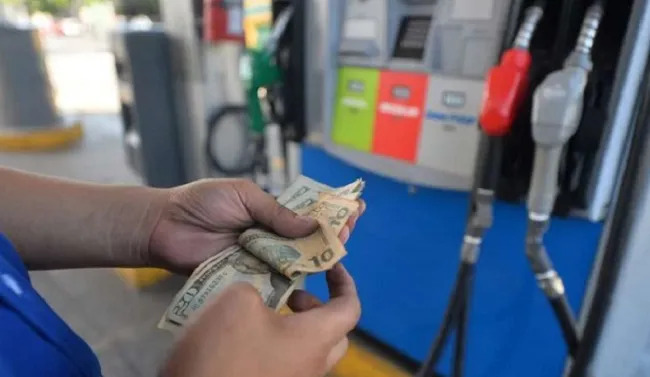
He explained that the spot market has immediate effects on fuel prices, while the futures market influences costs that could be reflected later. For this reason, some current increases in the international price of oil could be felt more intensely in the coming months.
Recommendations in the face of a possible increase
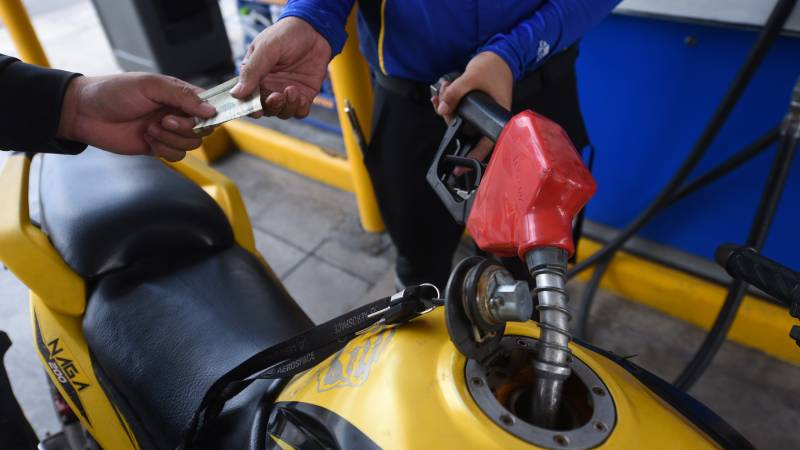
Given the possibility of an increase of between 30 and 40 cents per gallon, the economist recommended that drivers fill up their tanks between thursday and the weekend to have a small buffer before further price fluctuations occur.
He also suggested adopting energy-saving measures, such as reducing vehicle use whenever possible. He pointed out that the high level of traffic congestion, especially in the Greater San Salvador area, increases fuel consumption and, therefore, drivers’ expenses.
Proposal to improve mobility
The specialist also suggested that delivery trucks could operate during the early morning hours, particularly in downtown areas, instead of at midday. This measure would reduce congestion, decrease fuel consumption, and improve urban mobility.
According to Lazo, optimizing transportation logistics and promoting more efficient fuel use can help mitigate some of the impact of international oil market fluctuations on the local economy.
You can also read: