

 A. M.
A. M. 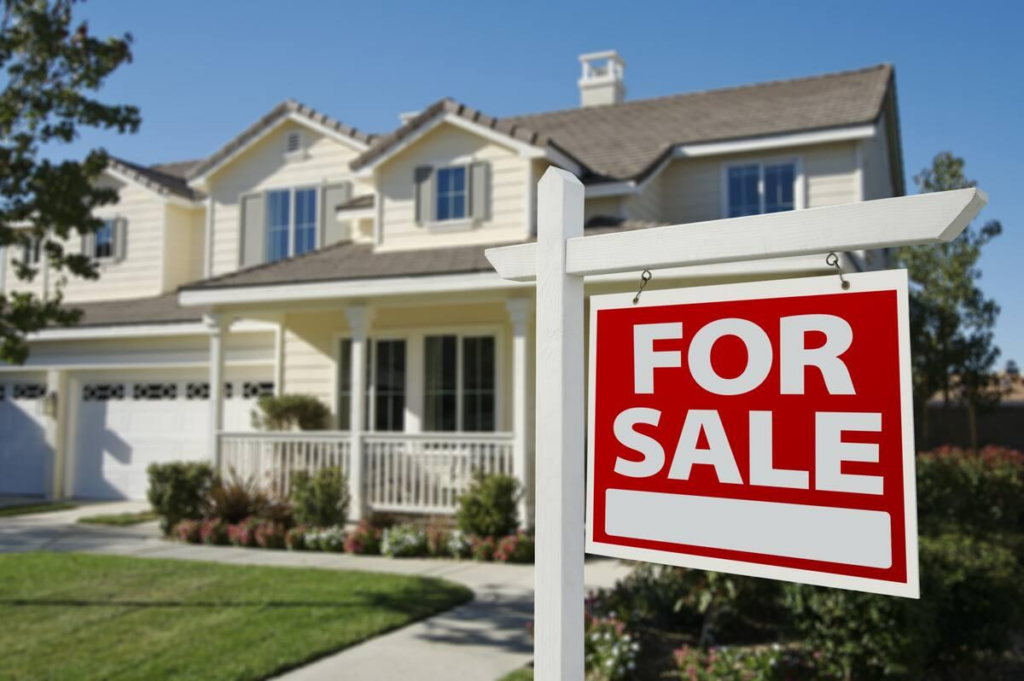
The average rate on long-term mortgages in the United States saw another increase this week, reaching its highest level in more than six months and raising borrowing costs at a crucial time for the housing market.
According to Freddie Mac, the benchmark 30-year mortgage rate rose to 6.38%, up from 6.22% the previous week. While still below the 6.65% recorded a year ago, the increase represents the largest weekly jump since april 2015 and the steepest three-week increase since october 2014, according to data from Realtor.com.
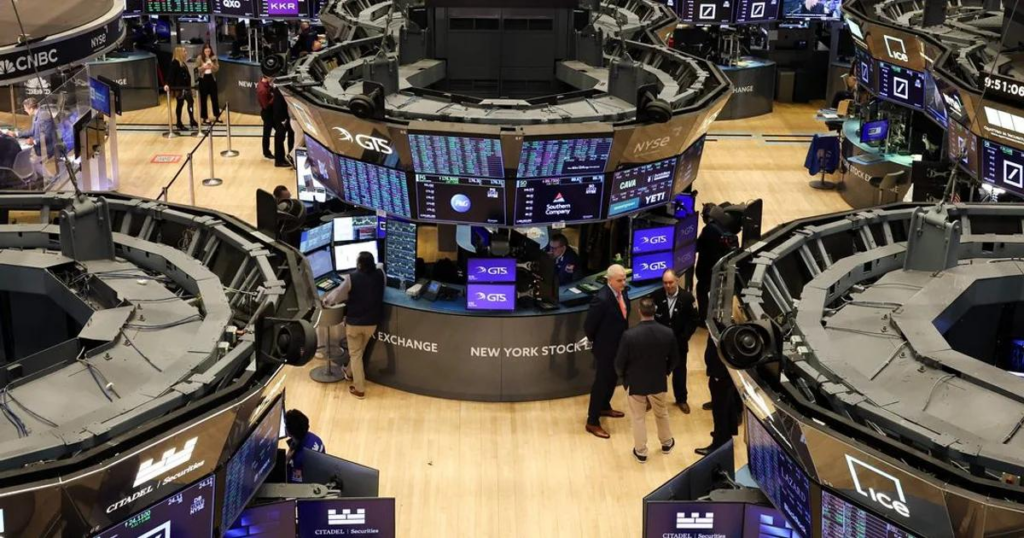
This surge comes amid financial volatility associated with the war, which has generated uncertainty in global markets. On the same day as the announcement, major Wall Street stock indexes registered sharp declines. The S&P 500 fell 1.7%, marking its worst day since the start of the conflict, while the Dow Jones lost 470 points. The Nasdaq entered correction territory, and the Russell 2000 also dropped 1.7%.
From an economic perspective, the increase in mortgage rates directly impacts households’ purchasing power. Such an increase can translate into hundreds of dollars more per month in housing payments, reducing access to credit and limiting demand in the real estate sector.
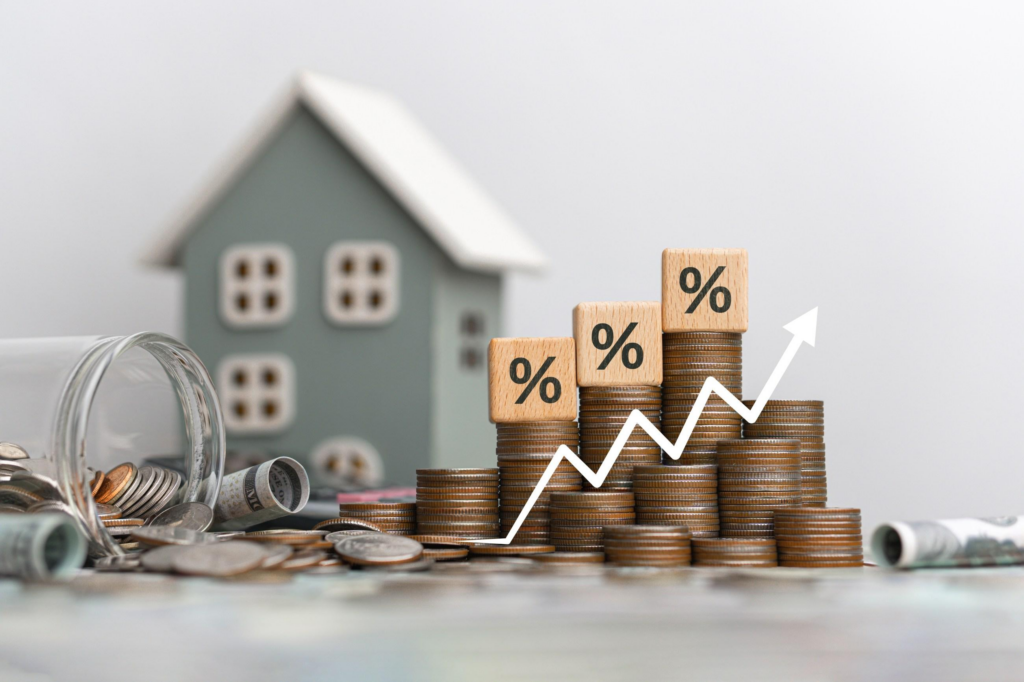
Furthermore, the increased cost of financing occurs during the peak home-buying season, which could slow transactions and affect related sectors such as construction, financial services, and consumer spending.
Taking together, these factors reflect a more restrictive economic environment, where the cost of money and global uncertainty stemming from the war continue to influence market performance and economic decisions.
You can also read: