

 dinero_admin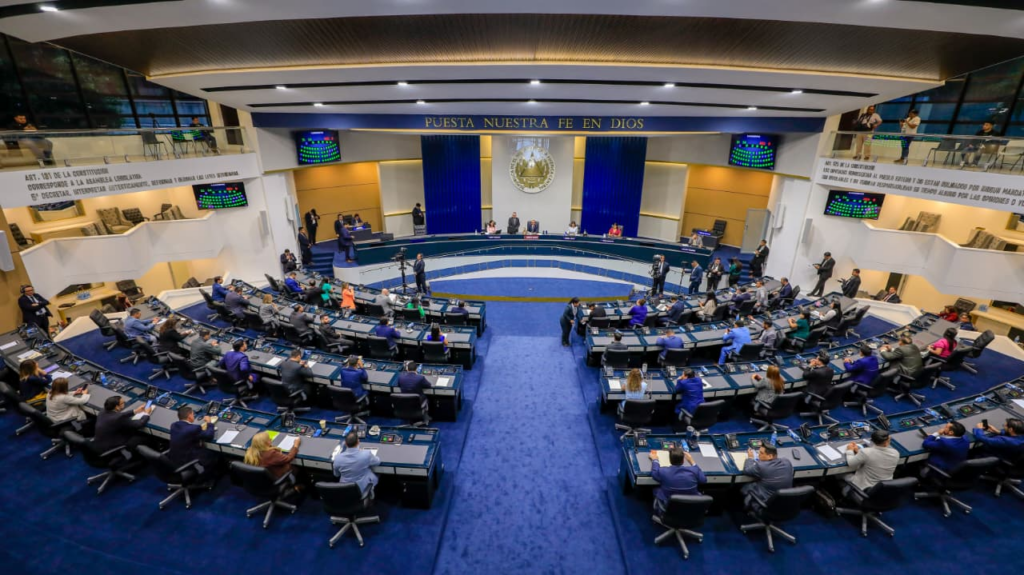
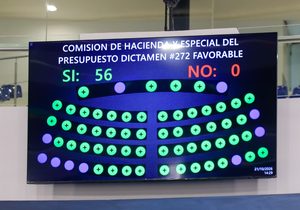
The Legislative Assembly ratified, with 57 votes, the reform to Article 208 of the Constitution of the Republic, which modifies the mechanism for electing the magistrates of the Tribunal Supremo Electoral (TSE), seeking to guarantee that electoral authorities act without responding to partisan interests.
The amendment to the Constitution redefines how the magistrates of the electoral body will be selected and aligns the process with the models used to elect second-level officials in institutions such as the Corte de Cuentas de la República and Fiscalía General de la República.
.With the reform, the TSE will continue to be composed of five magistrates. However, the mechanism by which they will be chosen has changed.
Three magistrates, including the president of the Tribunal Supremo Electoral, will be chosen through a public selection process, while the other two will be appointed by the Legislative Assembly with a qualified majority, based on shortlists proposed by the Corte Suprema de Justicia.
The legislators indicated that the main objective is to strengthen the independence of the electoral body and prevent appointments from being based on partisan quotas, as they claimed occurred during previous administrations.
Representative Caleb Navarro maintained that historically, political parties agreed on the distribution of magistrate positions based on election results, and these appointments were subsequently ratified by the Legislative Assembly.

In the legislator’s opinion, this system did not necessarily guarantee the selection of candidates with experience or adequate training in electoral matters.
“With these reforms, those aspiring to be magistrates must demonstrate suitability, capacity for the position, and experience in electoral matters”, Navarro said.
The legislator explained that applicants will also have to participate in interviews within the Political Commission of the Legislative Assembly, as is the case in the selection processes for the Attorney General, the Solicitor General, and the Human Rights Ombudsman.
The constitutional reform seeks to establish a more transparent, merit-based mechanism for selecting members of the Tribunal Supremo Electoral (TSE).

Furthermore, legislators believe this change will strengthen the credibility and legitimacy of the country’s electoral processes by separating the composition of the TSE from direct partisan interests.
The ratification is part of a series of reforms promoted by the Legislative Assembly aimed at modifying the structure and operation of various public institutions.
With this approval, future elections of TSE magistrates must be held under the new system established in the Constitution, once the reform takes effect.
You can also read: