

 dinero_admin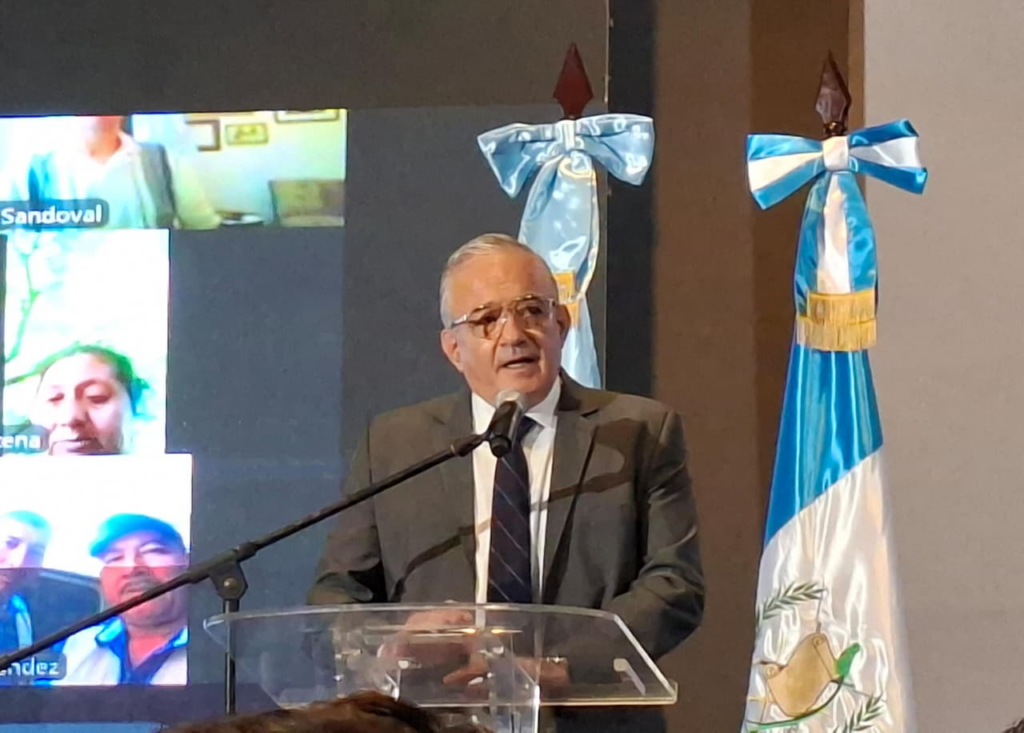
Consorcio Interoceánico de Guatemala S.A. (CIGSA) officially launched Centro Logístico Internacional San Jorge, the first economic component of the Corredor Interoceánico de Guatemala, a privately developed initiative designed to connect the Atlantic and Pacific oceans through a 372-kilometer multimodal logistics platform with an estimated total infrastructure investment of US$15 billion.
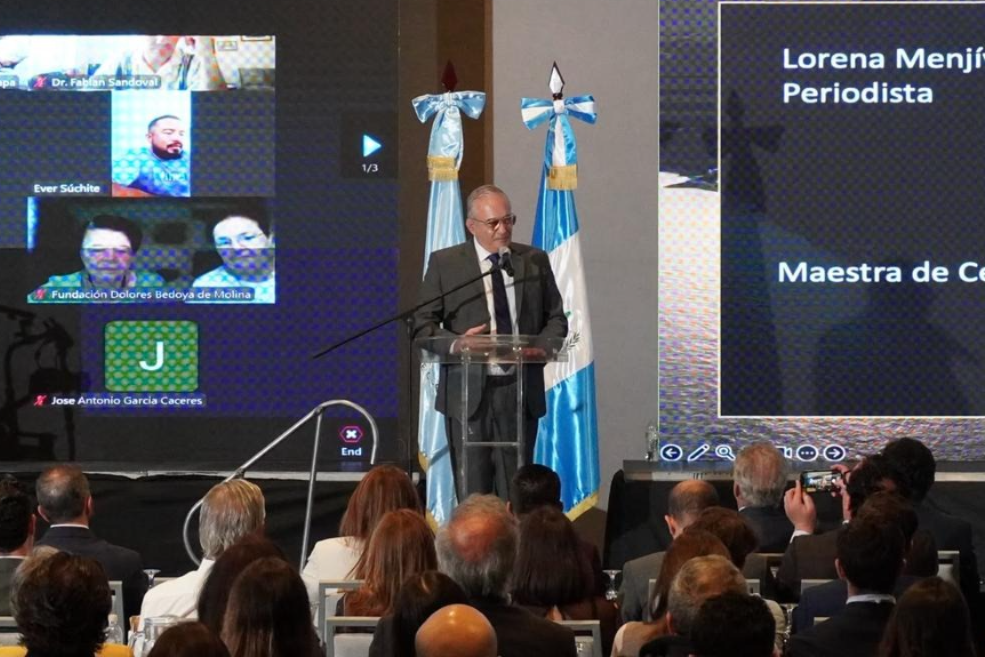
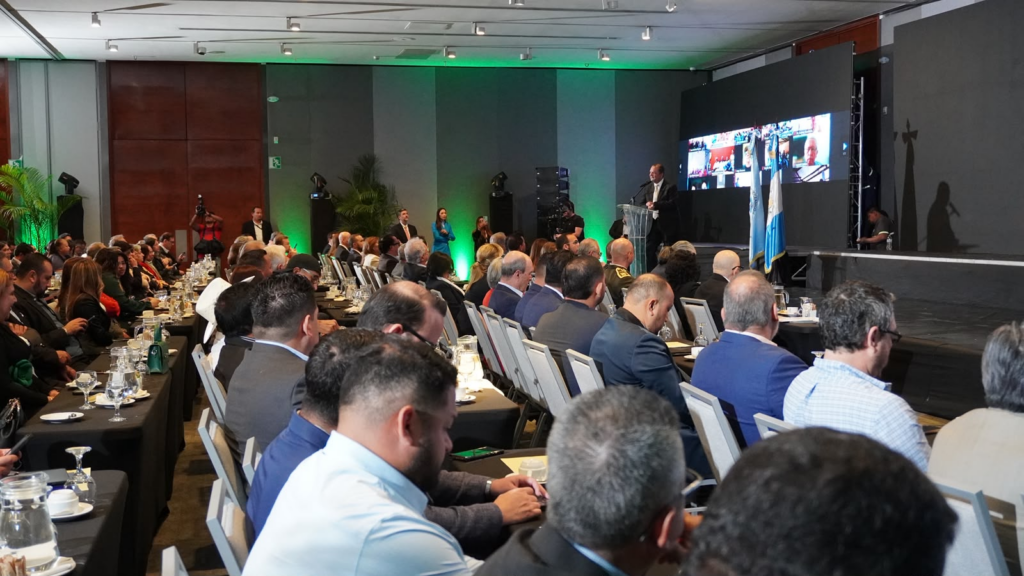
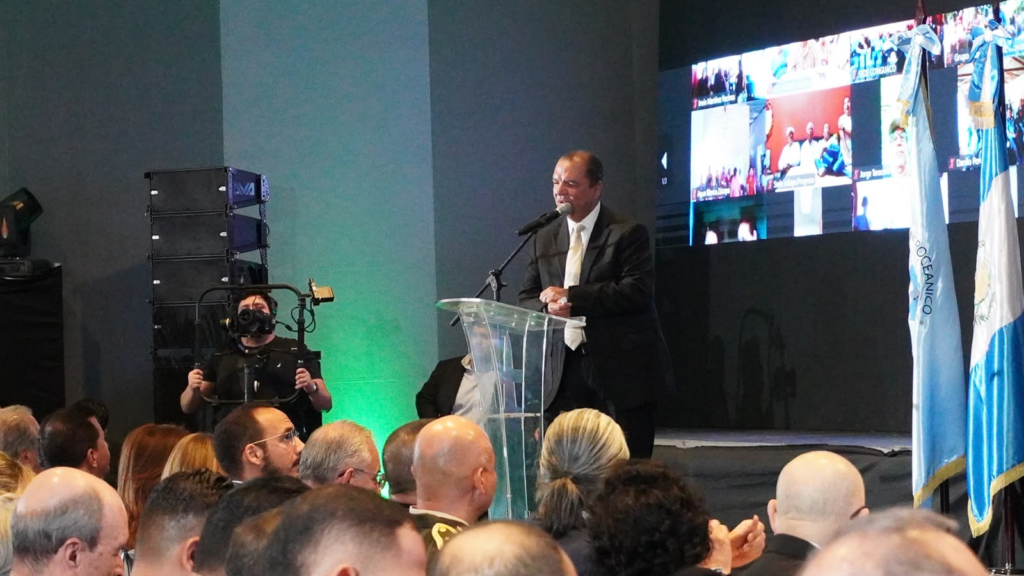
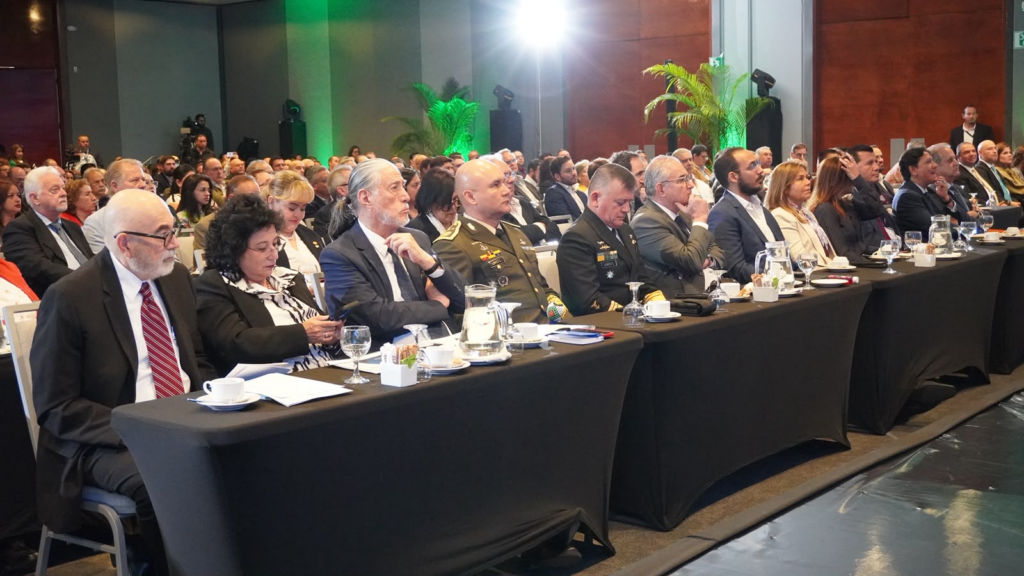
The project is considered one of the largest logistics infrastructure developments in Central America and is designed to strengthen regional competitiveness, attract foreign investment, boost international trade, and generate new economic opportunities for Guatemala and neighboring countries. During the launch event, which brought together more than 400 attendees, including business leaders, investors, government officials, and diplomatic representatives from several countries, CIGSA emphasized that the corridor aims to position the region as a strategic hub within global supply chains.
The infrastructure will consist of three major components: Ciudad Portuaria San Jorge on the Atlantic coast, a second logistics complex on the Pacific coast known as Centro Logístico Internacional San Luis, and a 372-kilometer interoceanic corridor dedicated to rail freight transportation. The project will also include service roads, pipelines, fiber-optic networks, free trade zones, industrial parks, and power transmission lines.
The first development, Centro Logístico Internacional San Jorge, will be located in Puerto Barrios, Izabal, on the Atlantic coast, on more than 22 million square meters of privately owned land. The complex will include port terminals, a cargo airport, industrial zones, commercial areas, energy infrastructure, warehouses, and specialized logistics services to support international trade.

From an economic standpoint, the project seeks to leverage Guatemala’s strategic geographic location to become a complementary logistics alternative to existing infrastructure such as the Panama Canal. According to CIGSA, the platform will reduce transportation times and costs for cargo moving between Asia, the Americas, Europe, and Africa, facilitating import, export, manufacturing, and nearshoring operations.

During the event, CIGSA President Guillermo Catalán said the corridor should not be viewed solely as an infrastructure project for Guatemala, but as an international trade route with the potential to transform the regional economy.
“What we are doing is building a route through which the world’s trade can move. That is the Corredor Interoceánico. As goods pass through our territory, they create opportunities for us to provide services, promote nearshoring, generate new jobs, and create opportunities that do not exist today,” Catalán said.

Catalán explained that the corridor has required more than 25 years of technical, legal, and land planning work. During that period, more than 3,500 families voluntarily joined the initiative, making it possible to consolidate a continuous land corridor spanning six departments and 22 municipalities, which now serves as the foundation for the planned infrastructure.

One of the project’s most significant features is its potential economic impact. According to estimates presented by CIGSA, the corridor could contribute approximately 1.5 percentage points to Guatemala’s Gross Domestic Product (GDP) once it becomes operational. The company also believes that growing global trade demand creates an opportunity to capture part of the world’s container traffic, which currently faces logistical constraints along several major shipping routes.
Catalán said the total US$15 billion investment will be carried out in phases with the participation of both domestic and international investors. Among the project’s partners and participants are business leaders from Guatemala, the United States, Japan, Spain, Chile, and El Salvador. The development model calls for the gradual construction of each component as port operators, logistics companies, industrial developers, and other stakeholders involved in international trade join the project.

Regarding port infrastructure, the project includes an estimated investment of approximately US$2.913 billion. The first phase is expected to provide an annual handling capacity of approximately 5.34 million TEUs (twenty-foot equivalent units), while the full expansion will increase capacity to 7.5 million TEUs per year through six berths capable of accommodating vessels carrying up to 24,000 TEUs, among the largest container ships in the world.


The CIGSA president said that the first phase of Centro Logístico Internacional San Jorge alone will require an investment of approximately US$1.5 billion, and that construction of a port terminal of this scale could take between four and five years.
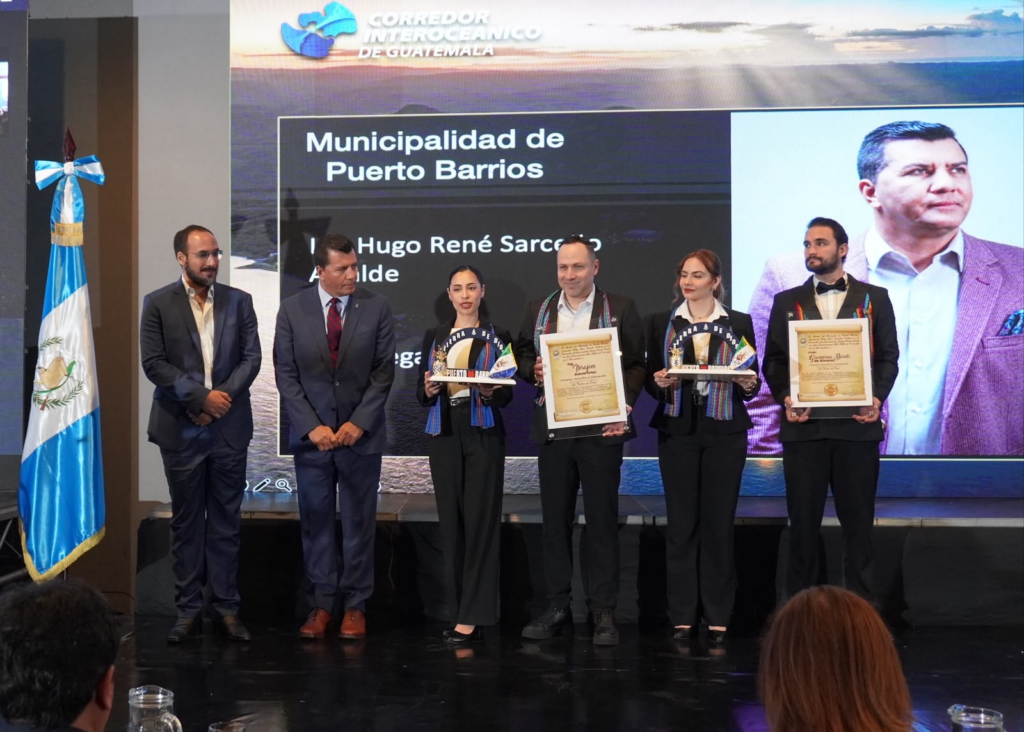



With the launch of Centro Logístico Internacional San Jorge, the Corredor Interoceánico de Guatemala has officially entered its physical development phase, marking the beginning of a project that seeks to expand Central America’s logistics capacity, attract new investment, strengthen regional economic integration, and position Guatemala as a new strategic hub for global trade.