

 dinero_admin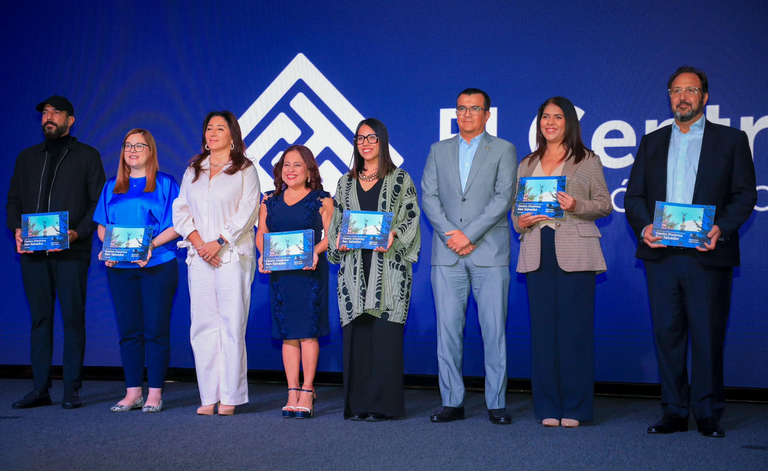
Centro Histórico de San Salvador enters a new planning phase with the official unveiling of the Special Plan for Territorial Planning and Development for the designated area of the Centro Histórico de San Salvador. This instrument will guide the area’s urban development, the protection of its heritage and cultural identity, and the revitalization of its economic activity for the next 15 years.
The plan establishes a roadmap to guide public and private investments and define short-, medium-, and long-term programs and projects. According to Ezequiel Cambiasso, representative of the Inter-American Development Bank (IDB) in El Salvador, the instrument has a comprehensive approach comprising seven components: environmental, urban, architectural, urban infrastructure, socioeconomic, mobility and accessibility, tourism, and security.
The document’s development involved an extensive process of participation and dialogue with various sectors. According to Cambiasso, workshops, interviews with key stakeholders, meetings with investors, and working sessions and training sessions were held, reaching 271 participants. The proposals from merchants, entrepreneurs, academia, trade associations, investors, families from housing cooperatives, and public institutions were also incorporated.
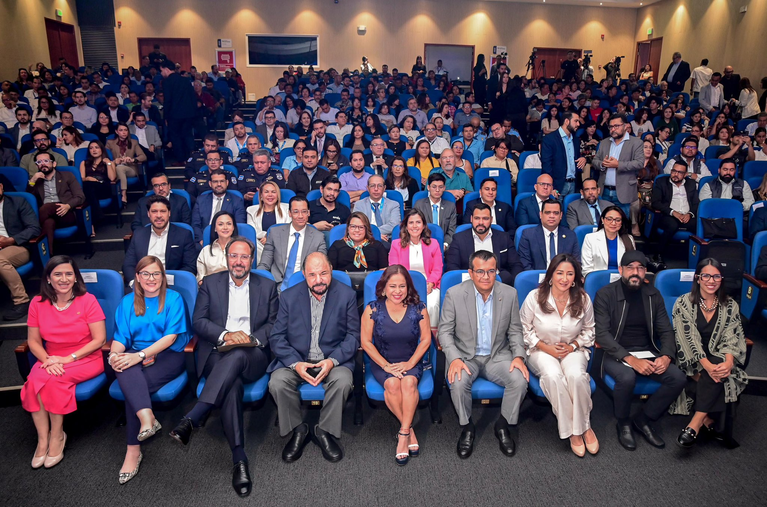
The head of the Dirección de Ordenamiento Territorial y Construcción (DOT), Paola Bardi, emphasized that organizing the territory will establish a clear direction for the area’s growth, generate certainty for investments, and protect heritage. She noted that the increase in visitors during the recent August holidays demonstrated the current dynamism of tourism and the economy in the Centro Histórico de San Salvador.
The tourism component is one of the plan’s key elements. The Minister of Tourism, Morena Valdez, indicated that El Salvador received approximately 4.1 million international visitors last year, generating more than $3.6 billion in foreign exchange earnings and over 400,000 direct and indirect jobs. Within this growth, the Centro Histórico positioned itself for the first time as the second most visited place in the country.
Regarding heritage, the director of the Autoridad del Centro Histórico, Adriana Larín, explained that the plan incorporates the technical delimitation of the area’s cultural assets. As a result of the updating process, 80 new designations were added, bringing the total to approximately 239 immovable cultural assets. The goal is to have technical standards that allow for their restoration and conservation without hindering the development of the surrounding area.
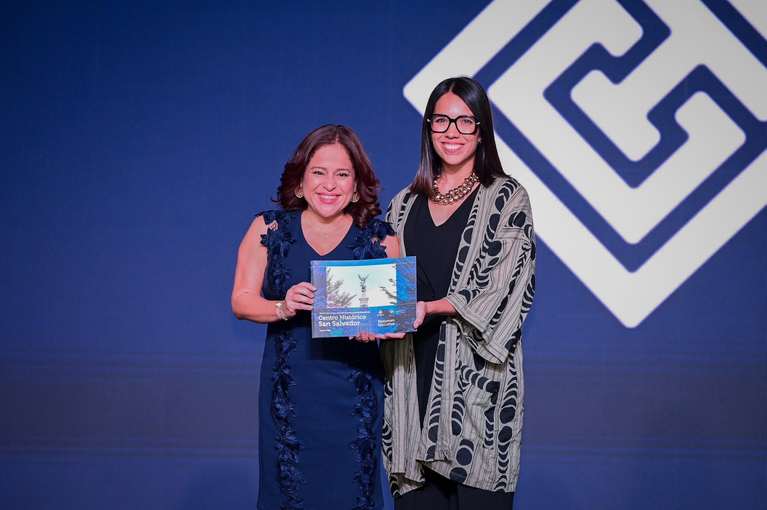
Authorities also emphasized that the transformation of the Centro Histórico has been a progressive process that began with the vision of revitalizing this area and returning it to salvadoran families. The executive director of COAMSS-OPAMSS, Luis Rodríguez, highlighted that there are currently institutions with the technical capacity and coordination mechanisms to work with clear rules and a long-term vision for the area.
With this plan, the institutions seek to consolidate a clean, inclusive, resilient, and attractive Centro Histórico for investment, commerce, and tourism, without losing its identity. For the IDB, the delivery of the document represents a new step in its collaboration with El Salvador to promote sustainable urban and tourism development, while for the authorities it constitutes a tool for planning the evolution of the capital’s heart over the next 15 years.
You can also read: