

 dinero_admin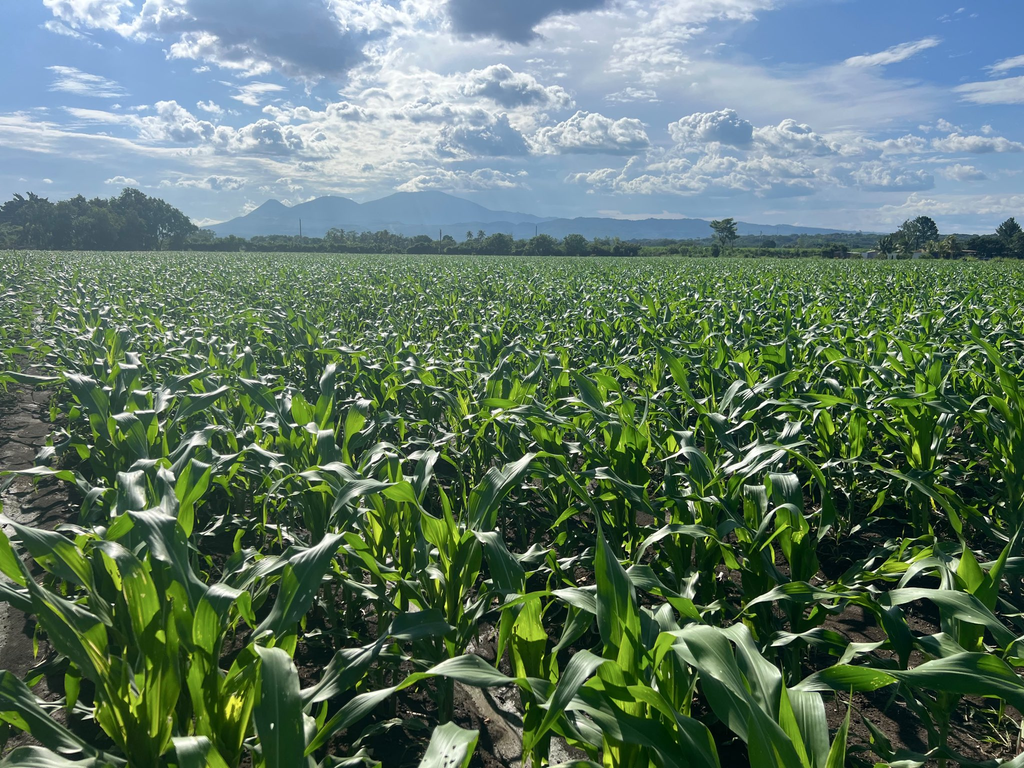
The Ministerio de Agricultura y Ganadería (MAG) will expand the production of staple grains under irrigation systems as part of the Aumento a la Producción Program, with the goal of increasing the national food supply, reducing dependence on rainfall, and helping to maintain affordable prices for salvadoran families. The strategy seeks to strengthen productive capacity in the face of the effects of climate change.
During the second planting season, the MAG plans to incorporate more than 20,000 blocks of irrigated corn and another 5,000 blocks of irrigated beans. Expanding these areas will allow for sustained production during periods of lower water availability and generate a more stable supply of these essential staples.
The initiative will also focus on increasing the yield of agricultural lands using high-yield genetics, mechanization, and specialized technical assistance. The goal is to increase production on the same land area, with the potential to double or even triple yields per manzana (approximately 1.7 acres), which could improve productivity and increase producers’ income.
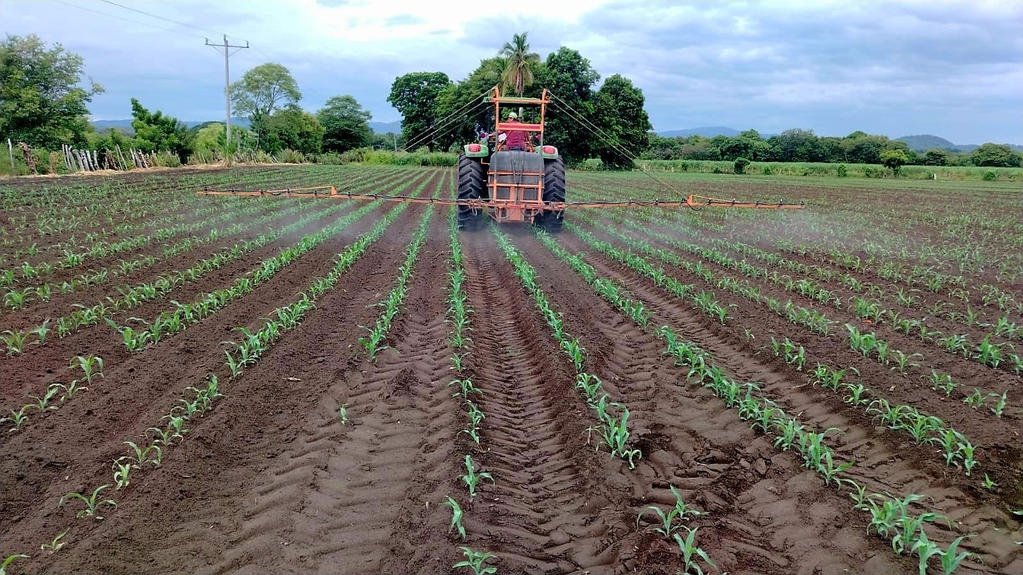
From an economic perspective, greater domestic production of corn and beans can help strengthen internal supply and reduce price pressures during adverse weather conditions or market fluctuations. The strategy aims to make food availability less dependent on rainfall and more resilient to periods of drought.
The production plan also includes measures to support the livestock sector in the eastern region. These include the initial establishment of 1,300 blocks of pasture and forage crops, such as Cuba 22, forage sorghum, and Cratylia argentea, as well as forage prickly pear cactus. These resources will be used to generate feed for livestock and will be available to producers at cost.
The development of these forage banks seeks to reduce the costs faced by livestock farmers in feeding their animals during climate emergencies. The MAG plans to provide the necessary conditions and technical support to ensure a consistent production of high-nutritional-value forage, which could help mitigate the impact of feed shortages on livestock farming.
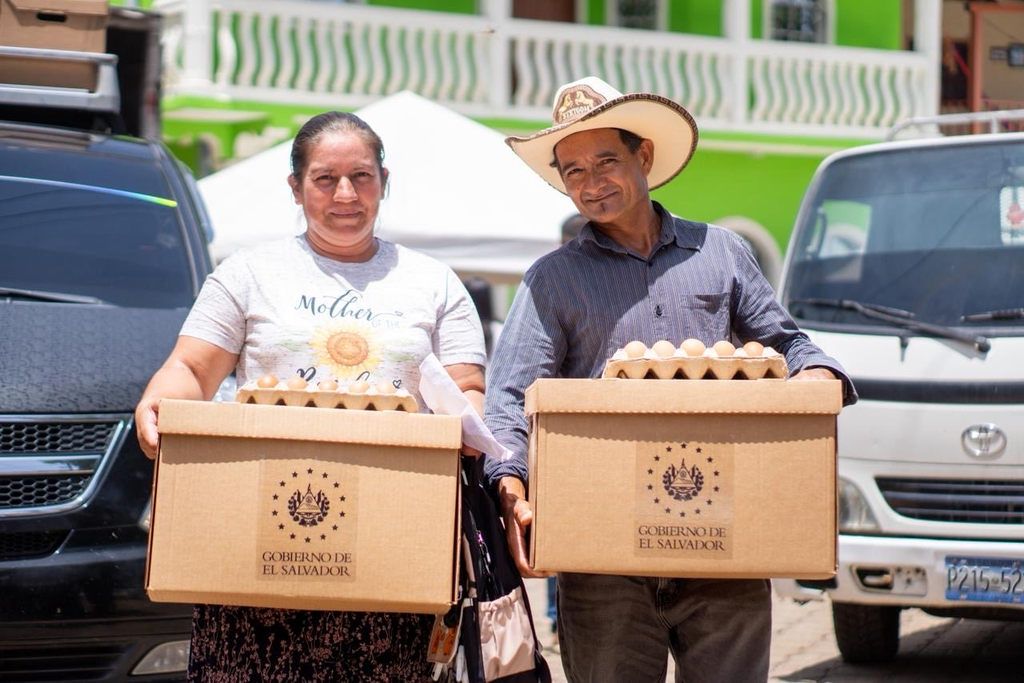
Likewise, the government will continue supporting farming families who lost their crops and who, due to drought conditions, will be unable to replant in the short term. To this end, the distribution of food baskets will continue, with support from national institutions and international organizations such as the World Food Programme (WFP) and the FAO.
With these measures, the MAG aims to increase agricultural productivity, strengthen domestic supply, and reduce producers’ vulnerability to climate change. This strategy will remain in place if the effects of El Niño persist, with an emphasis on increasing domestic food production and creating conditions that contribute to supply and price stability.
You can also read: