

 dinero_admin
Technology has transformed how people manage their money. Today, various digital tools allow you to save, make payments, transfer funds, check accounts, and make financial decisions without constantly visiting a bank branch. However, taking advantage of these benefits also requires understanding how they work and what security measures should be taken.
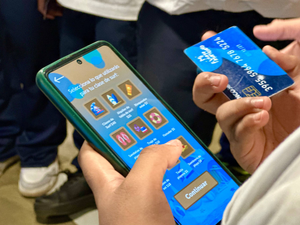
According to the Superintendencia del Sistema Financiero (SSF), the main tools available include mobile banking apps, online banking, e-wallets, and savings accounts that can be managed through digital channels. These options allow you to check balances, make transfers, pay bills, and manage your funds from a cell phone or computer.
Another option is savings accounts with simplified requirements, which facilitate access to the formal financial system and can be operated electronically. There are also scheduled savings accounts, which allow you to set goals and make regular contributions to achieve specific objectives.
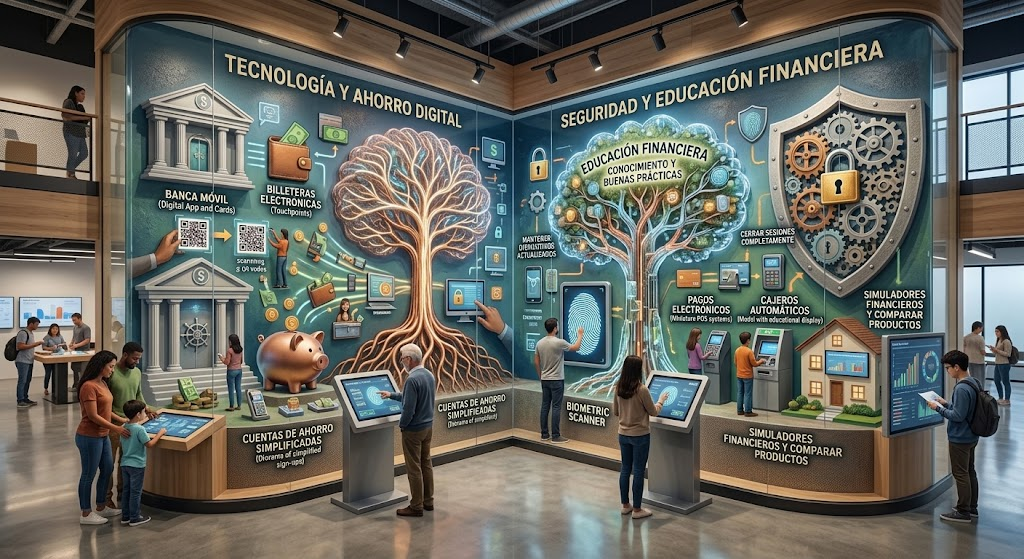
These tools are complemented by payments via QR codes, POS terminals, electronic transfers, telephone banking, and ATMs, which are part of the various channels used to conduct financial transactions. The SSF also highlights financial simulators, which allow users to compare products such as savings accounts, loans, credit cards, and insurance policies to understand their features, costs, and benefits before planning.
But having more tools also means assuming greater responsibilities. Security must be a part of any digital transaction. The SSF recommends protecting login credentials, using personal devices, keeping them updated, establishing strong passwords, and completely logging out after completing a transaction.
It is also important to remember that no digital tool replaces financial education. Before opening an account, purchasing a product, or making a transfer, it is essential to understand its terms, costs, and risks.
The goal is not only to use technology to move money, but also to leverage it to save systematically, control expenses, compare options, and protect resources. With knowledge and good security practices, digital tools can become allies in building more organized and healthy personal finances.
You can also read: