dinero_admin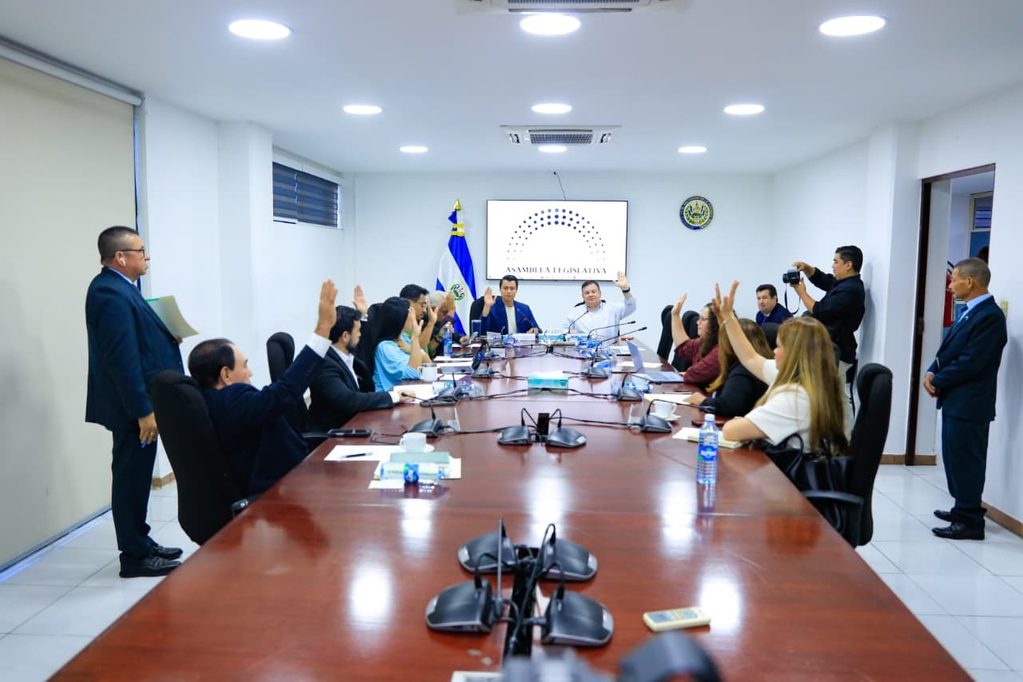
The Ministerio de Agricultura y Ganadería (MAG) will receive US$37 million as part of an amendment to the 2026 Budget Law, approved with a favorable opinion by the Finance Committee. These funds are part of a US$97 million budget reinforcement allocated to 13 public institutions that require additional funding during the second half of the year to address priority commitments and meet their goals and objectives.
According to technical input provided by the Ministry of Finance, the resources allocated to MAG will allow it to strengthen agricultural markets, cover logistics expenses, and ensure institutional operations. The allocation aims to support the institution’s actions to benefit the agricultural sector and ensure the continuity of programs and services for the remainder of 2026.
The proposal was analyzed by the members of the Finance Committee, who heard explanations from Marlon Herrera, director general of Investment and Public Credit, and Laura Arce, deputy director General of the Budget. Both officials explained that the Ministry of Finance identified available allocations from the management of debt securities, and therefore these funds can be redirected to address the budgetary needs of the institutions.
In addition to the Ministerio de Agricultura y Ganadería (MAG) the reform includes resources for other agencies. Fiscalía General de la República (FGR) would receive US$2.7 million to cover commitments related to international litigation and operating expenses; the Ministry of the Interior and Territorial Development, US$19 million for institutional and territorial strengthening; and Public Security and Justice, US$31.19 million to support the management of the rehabilitation process for incarcerated individuals and compliance with minimum conditions during detention.
US$1.5 million would also be allocated to the Ministerio de Economía (MINEC), US$1.3 million to the Ministerio de Obras Públicas y de Transporte (MOPT), US$1.225 million to the Ministerio de Medio Ambiente y Recursos Naturales (MARN) and US$3.085 million to the Tourism sector. In the case of Tourism, the funds will be directed toward the development of high-impact international events to strengthen the country’s tourism industry.
Reinforcement for decentralized institutions
The budget reform also includes five non-business decentralized institutions. Among them is the Directorate of Integration, which would receive US$10 million to cover transportation, food services, training programs, and scholarships for the “Florecimiento Salvadoreño” program.
The Registro Nacional de las Personas Naturales (RNPN) would receive US$1.189 billion to finance the free issuance of the DUI for first-time applicants. The Centro Internacional de Ferias y Convenciones (CIFCO) would receive US$1.5 million for its institutional strengthening during the last quarter of the year.

The Autoridad Nacional de Residuos Sólidos would have US$1.3 million to finance its expenses and ensure the continuity of its operations related to the comprehensive management of solid waste. Finally, Corporación Salvadoreña de Turismo would have US$2 million to implement strategic actions aimed at promoting El Salvador as a tourist destination and attracting visitors and investors.
With this reform, the available funds would be redistributed to institutions that, according to the Ministry of Finance, need to strengthen their financial capacity to meet commitments considered priorities and urgent during the second half of 2026. The proposal must continue with the corresponding legislative process to finalize the budget amendment.
You can also read: