dinero_admin
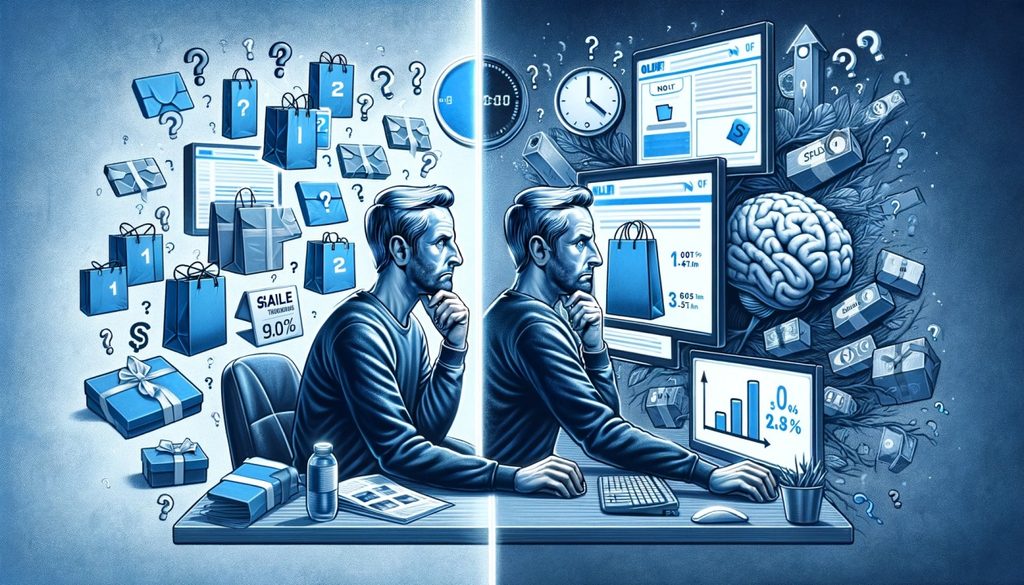
Entering a supermarket, shopping mall, or online store intending to buy only what you need doesn’t always mean you’ll leave with the same budget. Retailers use various marketing and product presentation strategies designed to capture the consumer’s attention, create a sense of opportunity, and facilitate quick purchase decisions. Understanding these mechanisms allows you to identify them and make more informed choices.
One of the most well-known tactics is placing impulse-buy items near the checkout. Candy, drinks, accessories, and small items are often placed in these areas because consumers must wait before paying and have more time to look at them. Even if they are individually inexpensive, several purchases of this type can add up to a significant amount by the end of the month.
Another common strategy is to present discounts with eye-catching percentages or to display the old price next to the new one. Consumers tend to focus on how much they are supposedly saving and not necessarily on how much they will have to pay. Therefore, before considering a sale, it’s a good idea to ask yourself if the product was already included in your budget and compare its price with other options.
Limited-time promotions also aim to create a sense of urgency. Phrases like “today only”, “last units”, or “exclusive offer” can make a person feel they must decide immediately to avoid missing out. However, taking a few minutes to compare prices and consider whether the product is truly needed can prevent unnecessary purchases.
Store layout also influences consumer behavior. Products that generate higher profit margins for retailers can be placed in more visible locations, while basic items can be found in other areas. Furthermore, products at eye level tend to attract more attention, so browsing the options on the upper and lower shelves can help identify more economical alternatives.
Another tactic involves offering larger packages or presentations based on the idea that “the more you buy, the more you save”. This may be true when the price per unit is lower, but it doesn’t necessarily mean it’s a sound financial decision. If a person buys an amount they don’t need, the initial outlay increases, and some of the product could end up going to waste.
Similar strategies appear in online shopping. Retailers may display recommendations such as “you might also like”, related products, or messages indicating how much time is left to reach free shipping. These tools can lead consumers to add items they hadn’t initially planned to buy, simply to qualify for a particular benefit.
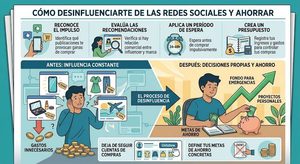
To reduce the impact of these strategies, consumers can set a budget before shopping, make a list, compare prices, and wait a few minutes before making an unplanned purchase. It’s also helpful to calculate the percentage of small impulse purchases over a month, as identifying patterns reveals whether they are truly impacting personal finances.
Ultimately, these marketing strategies don’t necessarily mean an offer is bad or that retailers are acting improperly. The problem arises when purchasing decisions cease to be driven by need and begin to be determined by urgency, emotion, or the perception of saving money. Recognizing these techniques allows consumers to regain control over their budget and decide what to buy based on genuine convenience, not simply because the product was presented attractively.
You can also read: