

 dinero_admin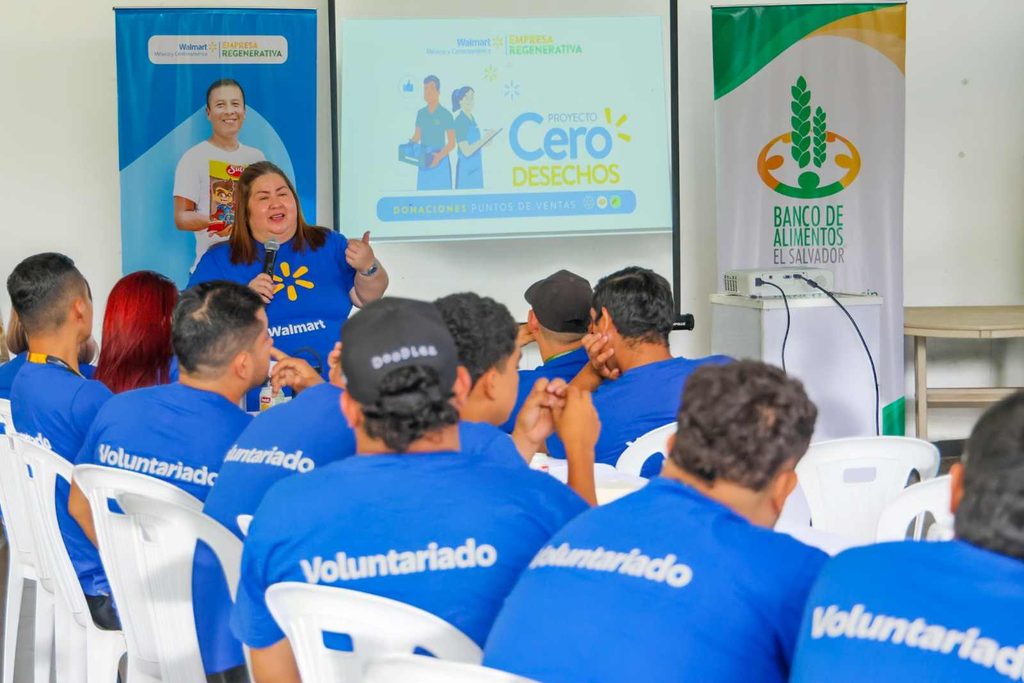
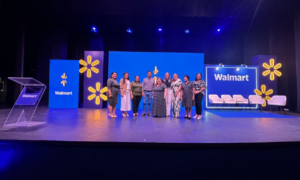
Creating economic opportunities, strengthening communities, and moving toward operations with a lower environmental impact were among the key areas that shaped Walmart’s performance in El Salvador during 2025. This is reflected in the indicators included in Walmart de México y Centroamérica’s most recent Environmental, Social and Governance (ESG) Report, presented by the company in July 2026.
The results show how Walmart’s sustainability strategy translated during that period into initiatives related to social investment, the creation of opportunities, the strengthening of suppliers and communities, as well as food recovery and waste reduction.
In the social area, Walmart allocated US$1 million to social investment in El Salvador during 2025, benefiting more than 295,000 Salvadorans through different initiatives aimed at addressing community needs and creating conditions for greater well-being.
One of the most significant components of this strategy was the recovery of food that, although it could no longer continue through traditional commercial channels, was still suitable for consumption. During 2025, the company recovered more than 317,000 kilograms of products in El Salvador, with a value of more than US$700,000, which were distributed to approximately 41,000 people in vulnerable situations.
The recovered products included fruits and vegetables, dairy products, frozen foods, eggs, cheeses, processed meats, pizzas, prepared foods, and pet food. In this way, the program helped address the food needs of different groups within the population while also preventing usable products from becoming waste.
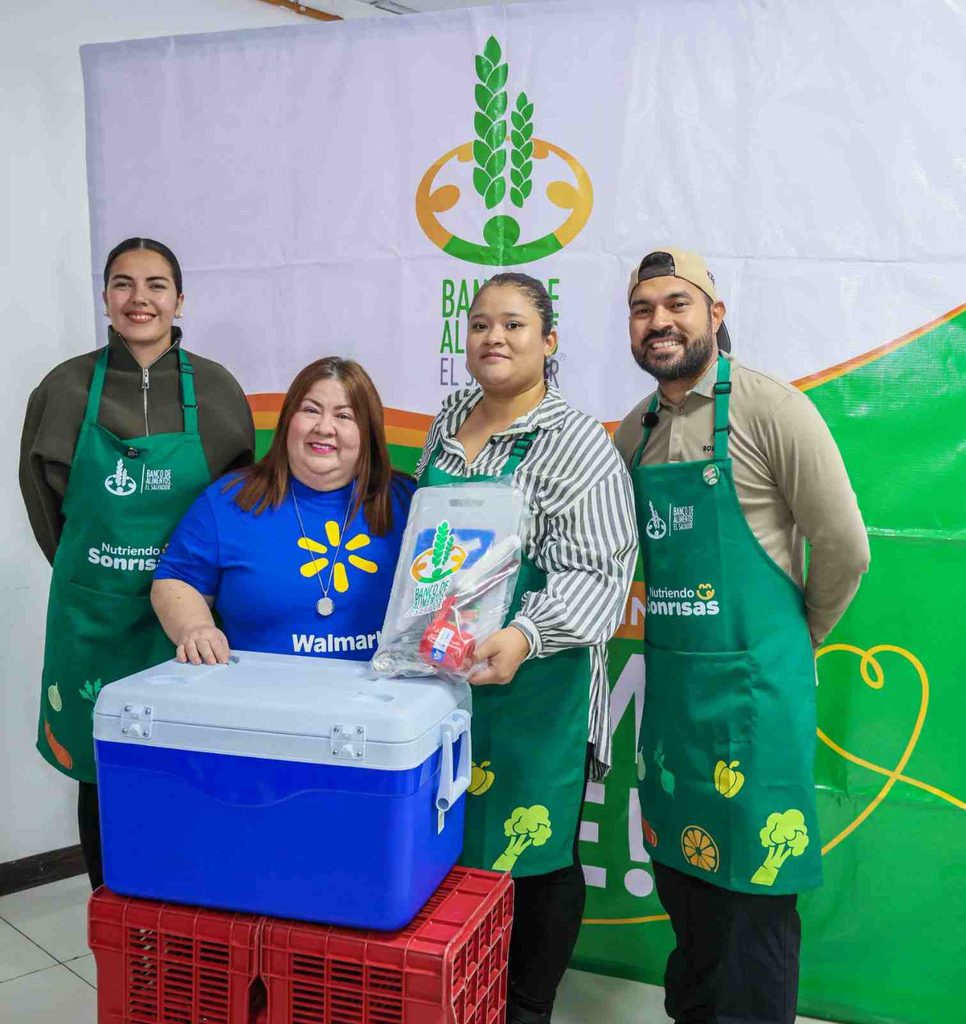
This initiative is part of Walmart’s approach toward a more regenerative operation and its “Cero Desperdicios Alimenticios” program, which involves collaboration with specialized organizations to expand the reach of recovered food.
In El Salvador, one of these partnerships is with the Banco de Alimentos, aimed at strengthening the recovery and distribution of products to communities that need them.
“At Walmart, we are committed to being a regenerative company, and to achieve this, we have resumed the pillars of the ‘Cero Desperdicios Alimenticios’ program. We establish strategic partnerships with institutions such as the Banco de Alimentos, allowing us to generate a positive impact on Salvadoran communities,” said Sandra Cáceres, Senior Corporate Affairs Specialist in El Salvador.
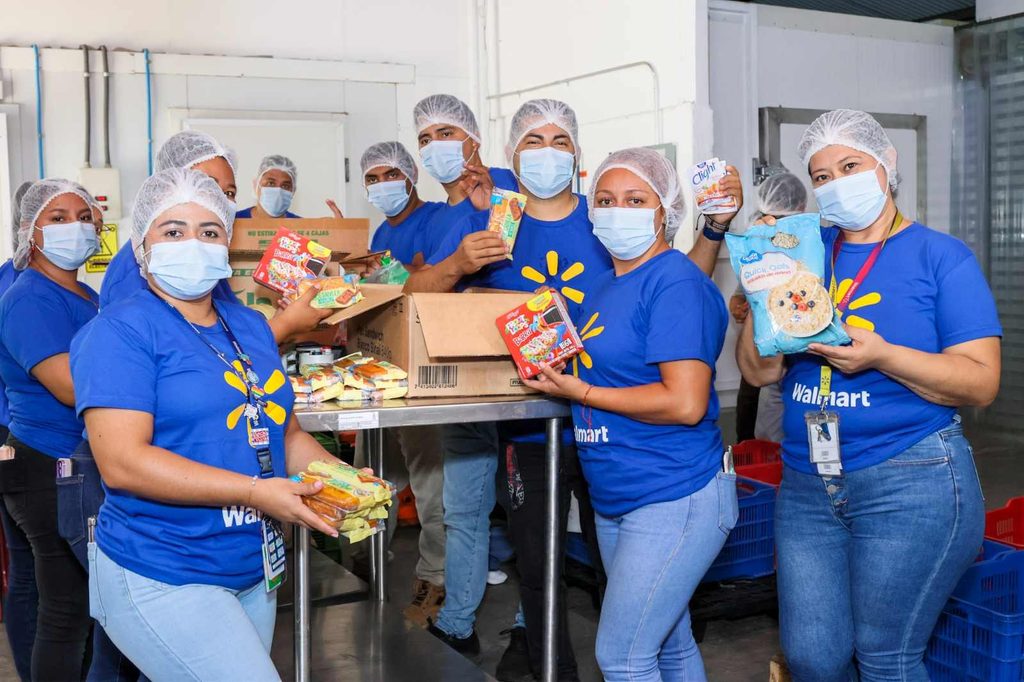
Employee involvement was also part of this strategy. During 2025, more than eight volunteer initiatives were carried out, involving more than 245 associates, who strengthened their knowledge of donation processes and the role the company plays in supporting communities.
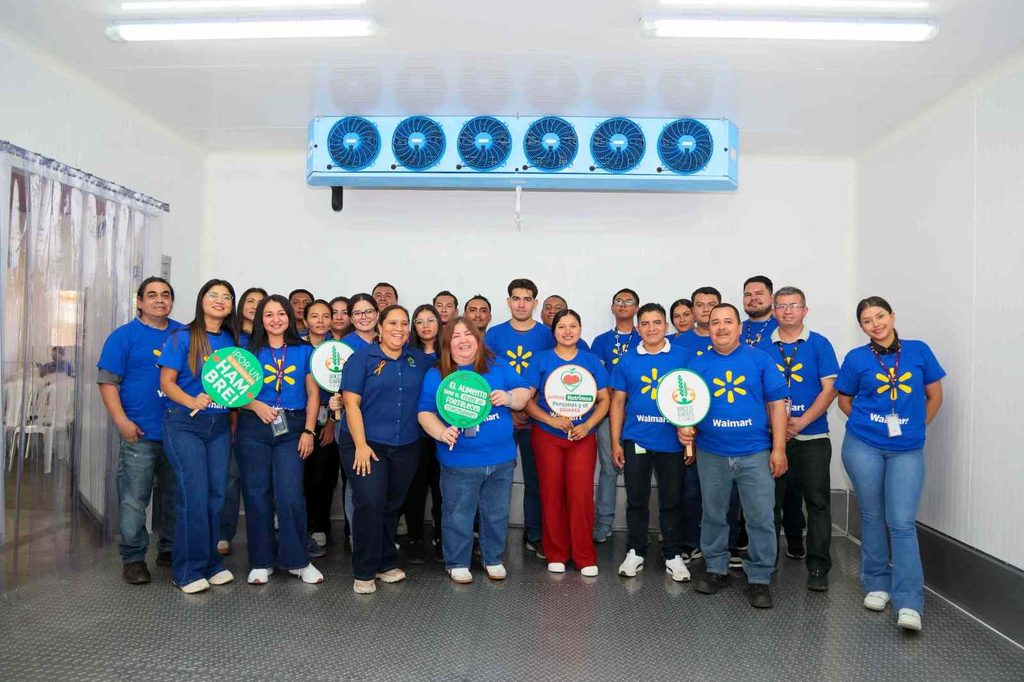
This work was complemented by a contribution of more than US$41,000 toward the construction of cold rooms, infrastructure designed to facilitate the handling and preservation of perishable products. This type of investment helps strengthen the capacity needed to recover food and increases the possibility of delivering it in suitable conditions to those who need it.
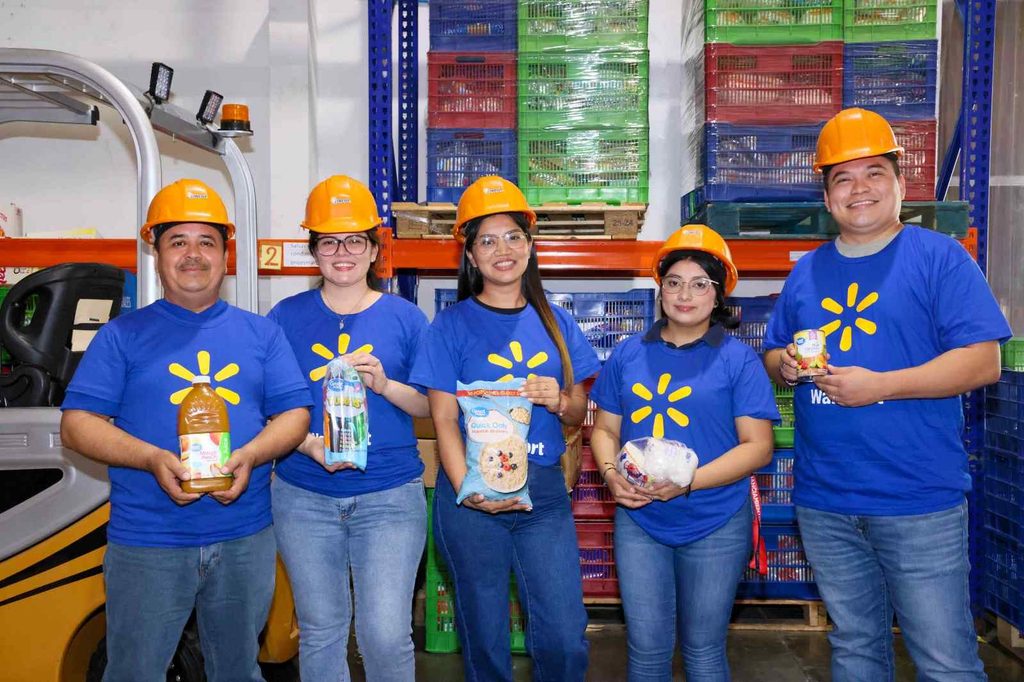
“Thanks to Walmart’s support, we continue strengthening our operational capacity to recover more food and deliver it to those who need it most. This partnership has been fundamental in advancing our mission to combat hunger and reduce food waste in El Salvador,” said María Inés Olivares, General Director of Banco de Alimentos de El Salvador.
The 2025 results demonstrate a sustainability vision that goes beyond environmental actions and brings together different components of business operations: from resource recovery and waste reduction to social investment, volunteering, and collaboration with organizations that work directly with communities.
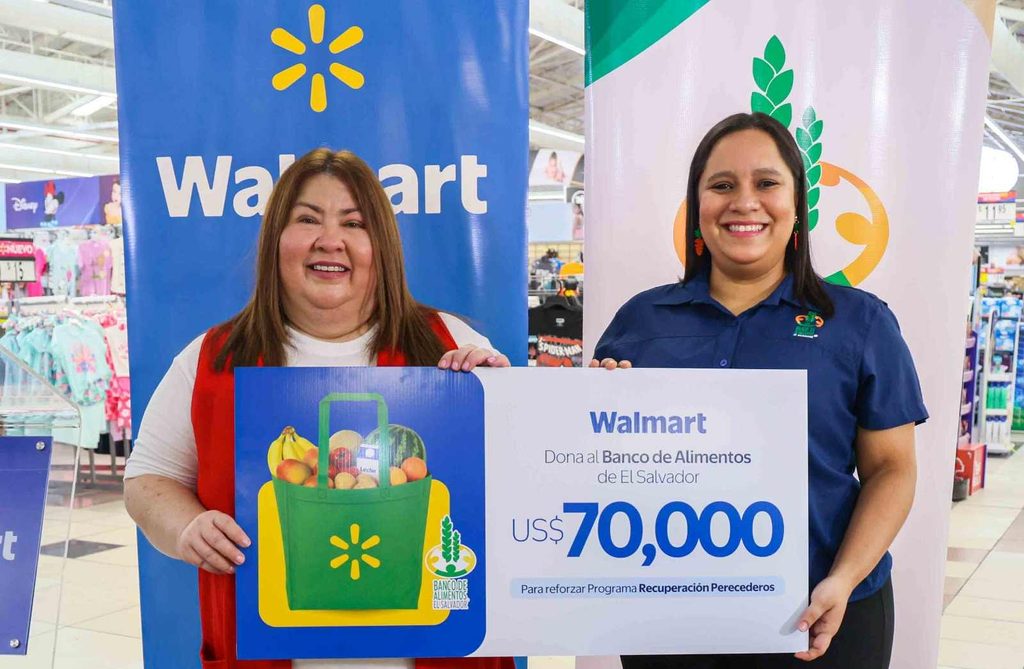
For Walmart, this approach is part of its commitment to advancing toward a business model with a regenerative vision, in which the scale of its operations can also serve as a platform for generating positive impacts on people, communities, and the environment.