dinero_admin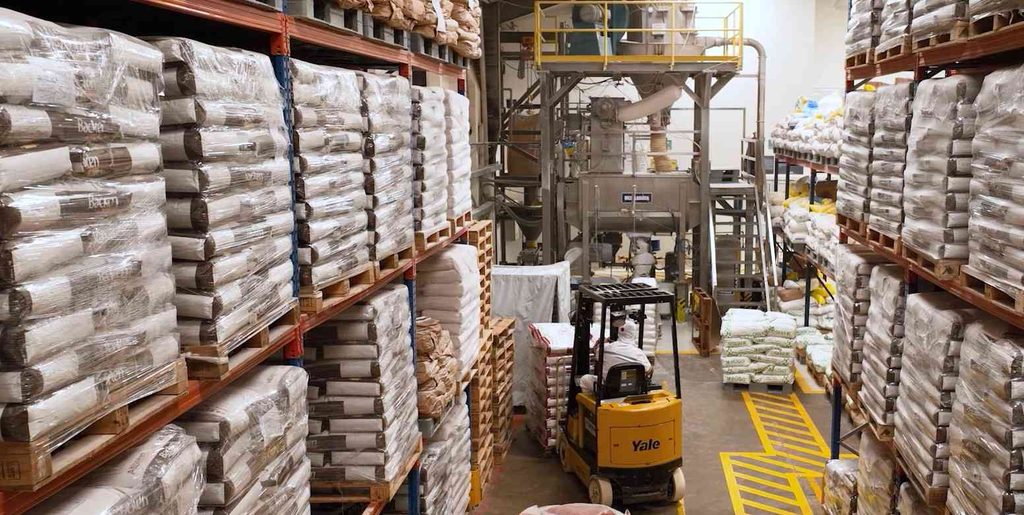
As part of Sustainability and CSR Week, organized by the Fundación Empresarial para la Acción Social (FUNDEMAS), CMI Alimentos, a business group of Corporación Multi Inversiones (CMI), presented the progress of its regional circular economy model.
CMI Alimentos integrates sustainability into its business strategy and operations. This approach recognizes that waste management is not only an operational challenge, but also a source of resources with the potential to generate new environmental, social, and economic opportunities.
The model is based on three actions: measuring, separating, and classifying waste at its source. This makes it possible to strengthen traceability, identify recovery alternatives, and reintegrate different materials into new production chains.
As a result of this strategy, during 2025, CMI Alimentos recovered more than 75,000 tons of waste and consolidated a network of 445 regularized suppliers across the region. Likewise, revenue generated from waste recovery increased by nearly 8% compared to 2024. These resources are reinvested to continue strengthening the circular economy model.
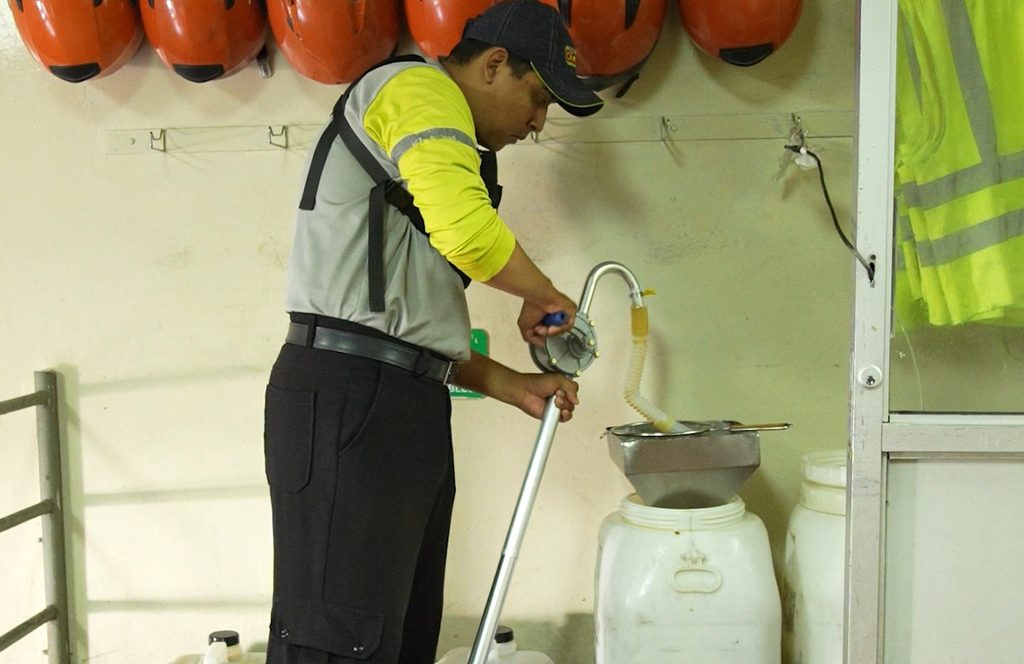
This way of operating makes it possible to move from viewing waste as a cost to recognizing it as a resource capable of generating value. Measuring, separating, and classifying waste helps improve process efficiency, reduce risks, and make better decisions for operations, the environment, and communities.
Among the recovery examples is the vegetable oil used in operations, which is channeled for transformation into biodiesel. Poultry manure is used in agricultural activities or as an energy source, while materials such as plastics, cardboard, and uniforms find new opportunities for use by being incorporated into other production chains.
In El Salvador, the integration of the circular economy into business is reflected in concrete actions. CMI Alimentos has exported more than 2,150 tons of waste oil and grease from its restaurant operations in El Salvador to Europe, in compliance with international waste management and export standards, where they are used as raw materials to produce biodiesel.
More than 1,500 pounds of uniforms have also been recovered to produce mattresses and acoustic insulation fabrics, extending the useful life of these materials and preventing them from being sent for final disposal.
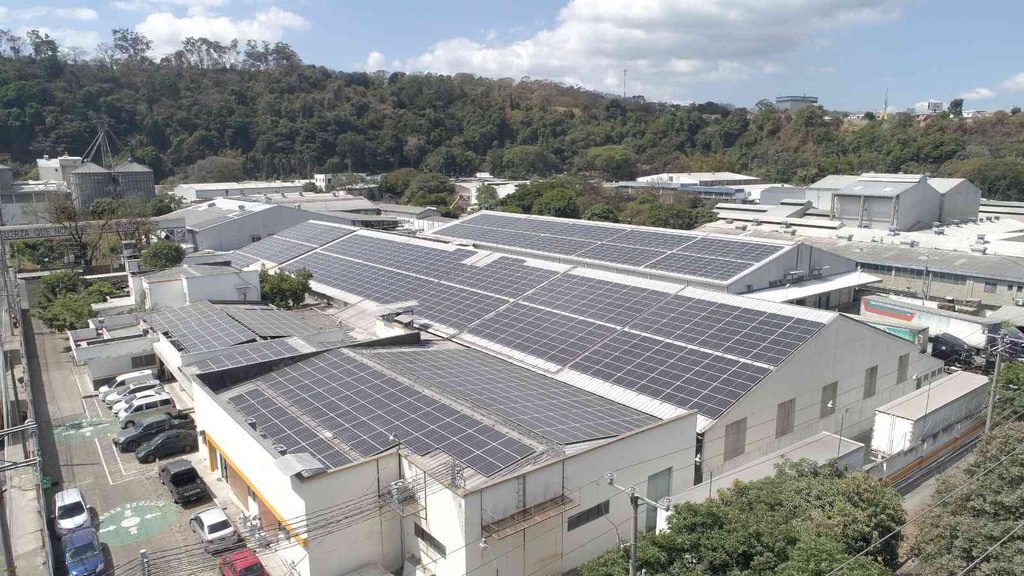
These initiatives are part of broader environmental management efforts in the country. CMI Alimentos has two carbon neutrality certifications in the country, issued by AENOR: one for its flour mill and another for its animal feed plant. In addition, it has installed nearly 8,000 solar panels across different operations in the country.
Among the milestones reported during 2025 was also the incorporation of a new wastewater treatment plant, as part of a strategy aimed at strengthening the efficiency, sustainability, and environmental performance of its operations.
For CMI Alimentos, sustainability is part of the way it operates and makes decisions with a long-term vision. Its model seeks to combine efficiency, innovation, and environmental responsibility to strengthen business competitiveness and generate shared value for its employees, customers, partners, and the communities where it operates.
These advances reflect CMI’s commitment to its corporate purpose of “Generating, with family warmth, opportunities that change lives” and to developing businesses that generate economic, social, and environmental value.