dinero_admin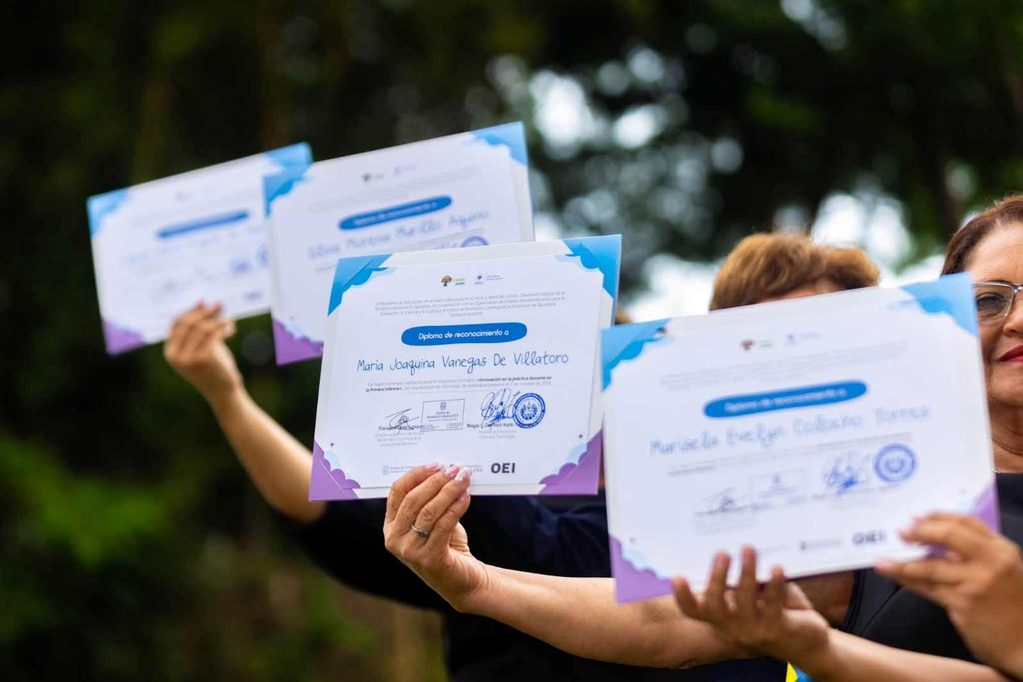
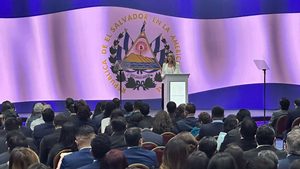
The Ministry of Education announced that nearly 5,000 teachers have completed their training in the Currículo Nacional para Primera Infancia, following a simultaneous graduation event held at various locations across the country. The initiative aims to strengthen the skills of teachers working at this educational level and prepare them to implement the new curricular approach.
Throughout the process, teachers participated in seminars, workshops, and on-site mentoring, while also utilizing play-based and technological resources as part of their preparation. The Ministry explained that the training is designed to introduce new tools for classroom instruction.
A key component of this process is active learning, which emphasizes play, exploration, and creativity as elements that foster development and learning during early childhood. The official curriculum includes pedagogical guidelines to support children from their earliest years, as well as development and learning programs tailored to different stages.
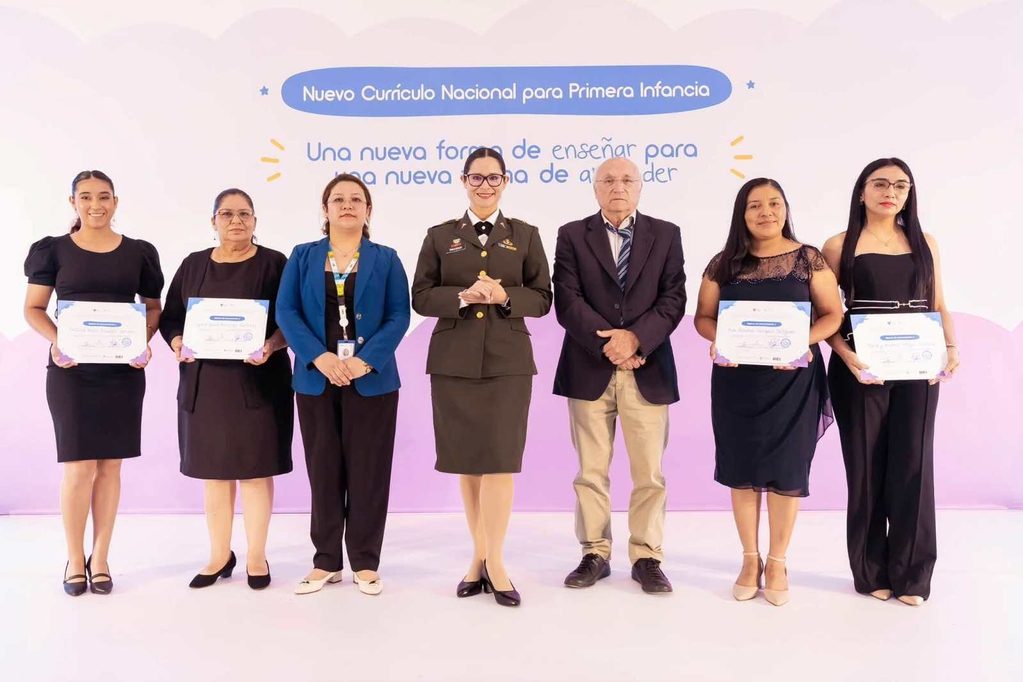
The Ministry noted that, for the first time, 100% of teachers working in early childhood education received training aimed at strengthening their pedagogical skills through a holistic care approach. This effort is complemented by the integration of technology and innovation as tools to support educational processes.
The training also focuses on preparing teachers to foster high-quality classroom interactions using methodologies that allow students to play an active role in their own learning process. The new curriculum includes specific materials and programs for early education, preschool, and first grade.
According to the Ministry, the process is backed by technical, financial, and academic support from the World Bank, the la Organización de Estados Iberoamericanos para la Educación, la Ciencia y la Cultura (OEI) and Universidad de Barcelona. Teacher training and capacity building are part of the broader project to improve the quality of early childhood education.
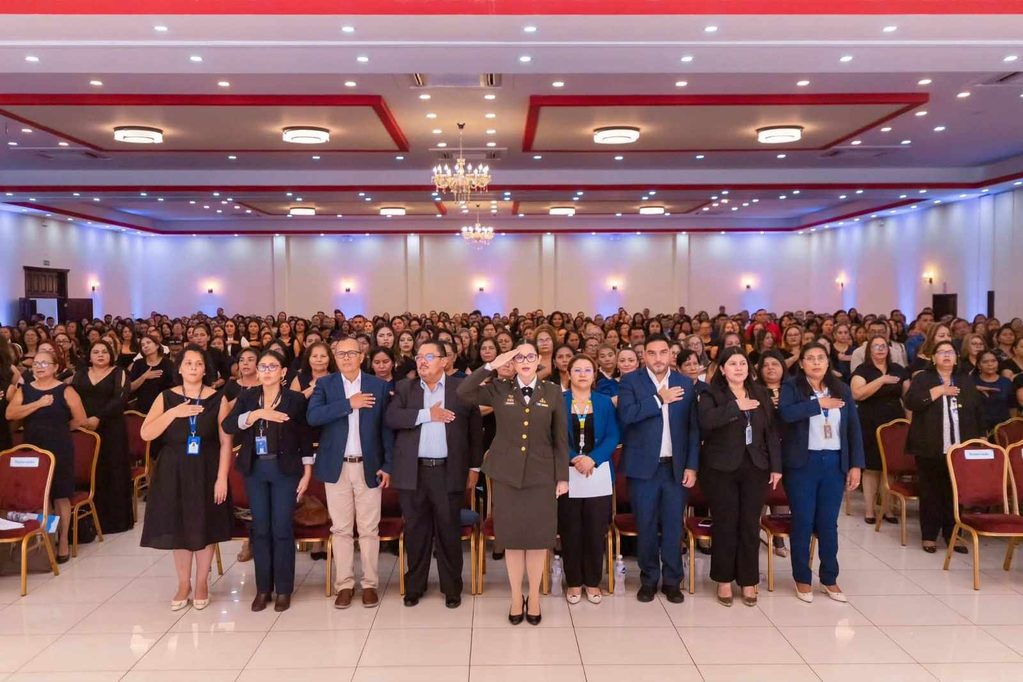
With the completion of this first cohort, the Education sector aims to consolidate a generation of teachers equipped with new tools to address children’s learning and developmental needs. The curricular framework establishes early childhood as a pivotal stage for holistic development and outlines guidelines for supporting this process through education.
Thus, the training of nearly 5,000 teachers represents one of the initiatives linked to the implementation of the new Currículo Nacional para Primera Infancia, emphasizing active methodologies, educational resources, technology, and innovation to strengthen teaching in the country’s educational centers.
You may also read: