

 dinero_admin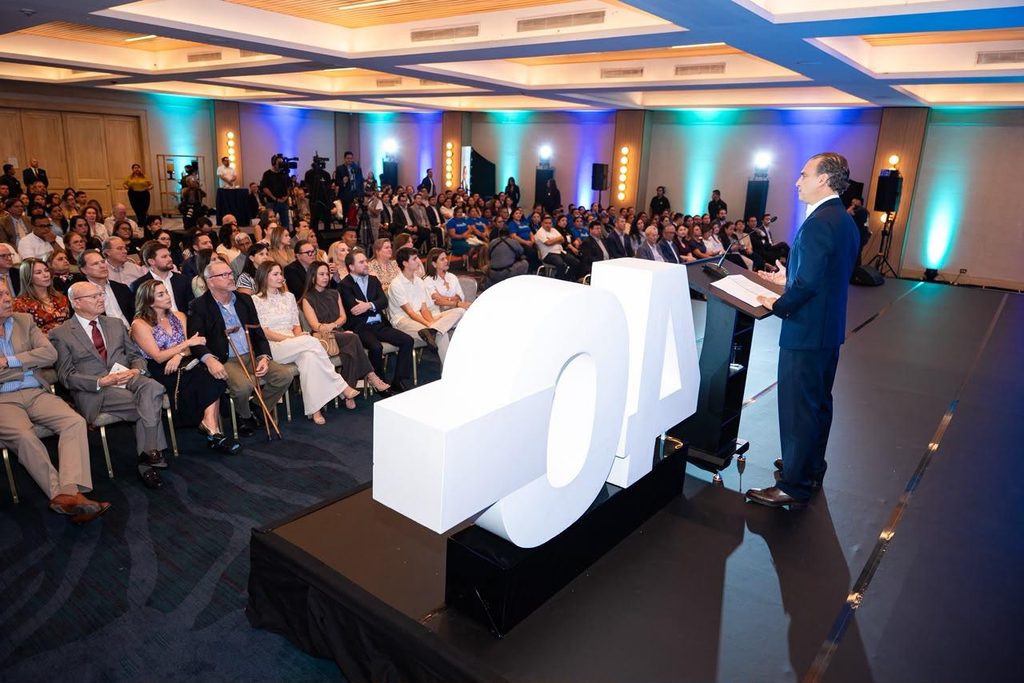
Forty years ago, a group of business leaders committed to El Salvador’s developmentled by Luis Poma, established the Fundación Salvadoreña para la Salud y el Desarrollo Humano (FUSAL), with the aim of harnessing business capabilities for the advancement of human development. Since 1986, FUSAL has worked alongside communities across the country’s 14 departments to address their needs and help improve their living conditions.
Over these four decades, the Foundation has evolved to meet the challenges of each era, maintaining a long-term vision, a dedication to service, and a commitment to creating sustainable solutions. Currently, under the leadership of Alejandro Poma, FUSAL carries out its work through four pillars: Humanitarian Aid, Early Childhood, Educational Quality, and Local Development, delivering comprehensive interventions primarily aimed at vulnerable populations.
“Reaching the 40-year mark reflects the stability and consistency with which FUSAL has operated over time. We have successfully adapted to the country’s needs without losing sight of our purpose: to put business capabilities at the service of human development and to work alongside communities to create opportunities that improve their quality of life”, said Alejandro Poma, President of FUSAL.
Four decades of impact
FUSAL’s track record is defined by its ability to mobilize resources and forge national and international partnerships. Through its Humanitarian Aid Program, the Foundation has channeled nearly one billion dollars’ worth of medicines, medical supplies, food, educational equipment, and essential goods to hospitals, clinics, and community organizations throughout the country. Allies that have supported various initiatives include the World Bank, IDB, UNICEF, the World Food Programme, PAHO, Americares, Direct Relief, Food for the Poor, and Free Wheelchair Mission, as well as cooperation agencies from Canada, the United States, Germany, and Japan.
The private sector has also played a pivotal role: in addition to providing financial resources, companies have contributed technical expertise, corporate volunteer efforts, and capabilities to expand the reach of these programs. One example was the Solidarity Fund, which mobilized over $2.1 million during the COVID-19 pandemic to support medical personnel responding to the emergency.
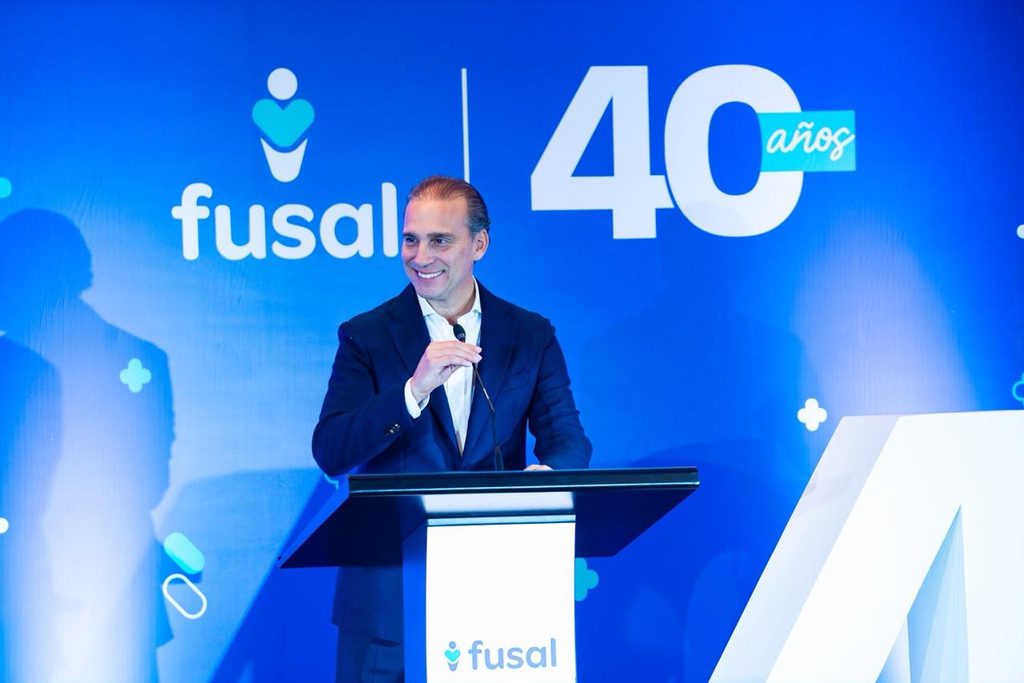
“For FUSAL, generating impact means much more than simply addressing an immediate need. It means working alongside communities, listening to their realities, and strengthening their capacities so that changes endure over time. This vision has guided our work for the past 40 years and has enabled us to build trusting relationships with the families, partners, and organizations with whom we work”, explained Karla Segovia, executive director of FUSAL.
Today, FUSAL directly serves 223 communities and benefits more than 100,000 people annually. Each year, over 600 volunteers lead educational activities for children in their communities, expanding the reach of programs and strengthening local capacities.
The results reflect progress across the organization’s four pillars of work. In reading programs, 91% of the children served improve their reading skills, comprehension, and fluency. Regarding early childhood, 59% of the communities served are free from malnutrition. In local development, comprehensive interventions have achieved improvements of up to 3.6 points on the Social Progress Index. Furthermore, FUSAL channels over US$32 million in annual donations to strengthen care for chronic diseases and health services, improve the quality of life for vulnerable populations, and provide timely responses to emergencies.
An enduring impact
For FUSAL, true impact is that which endures over time and leaves a lasting mark on individuals and communities. Therefore, its work begins by listening to the needs of each area, respecting local cultures and ways of life, and building solutions alongside communities, ensuring that the knowledge and capacities developed remain even after an intervention concludes.
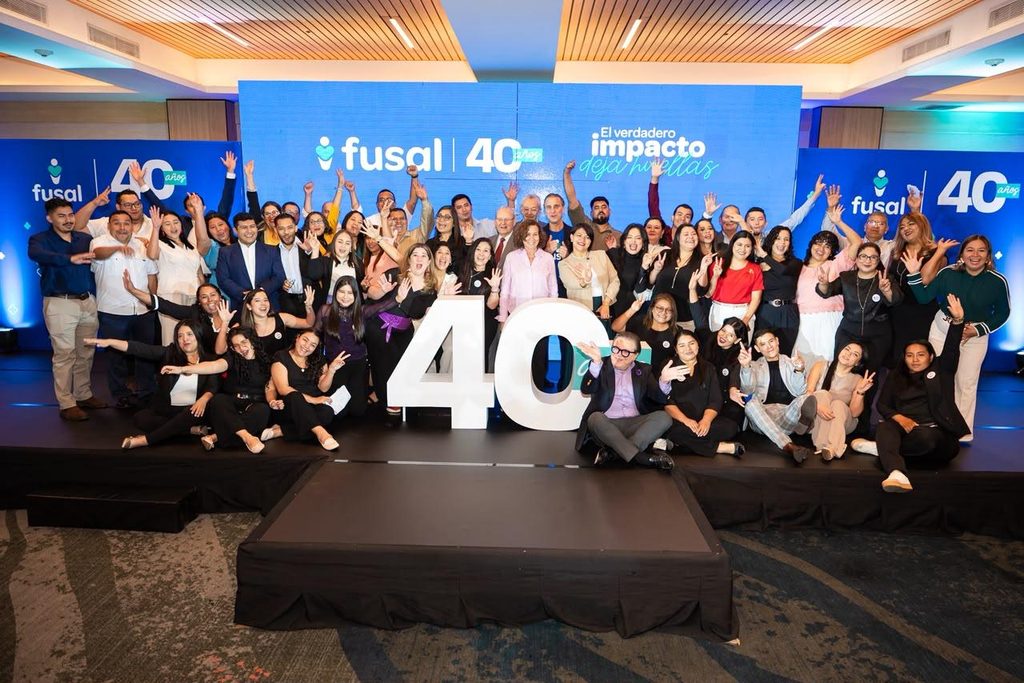
Throughout its history, FUSAL has supported the country in the face of economic crises, natural disasters, and health emergencies, while simultaneously sustaining long-term programs in nutrition, education, local development, and humanitarian aid. This combination of timely response and ongoing work has enabled the organization to build lasting relationships with communities, donors, businesses, and partner organizations.
“Social progress is a collective endeavor. Cross-sector collaboration opens doors and multiplies impact, yet for these efforts to drive lasting transformation, more than just good intentions are required. It demands persistence, discipline, adaptability, measurement, and a commitment to working for the people, even as circumstances change”, said Alejandro Poma, President of FUSAL.
After 40 years, FUSAL continues to evolve to meet the country’s needs and strengthen the partnerships that expand opportunities for future generations. Its journey, forged alongside communities, volunteers, staff, donors, and strategic partners,remains focused on achieving an impact that endures over time.
You may also read: