

 dinero_admin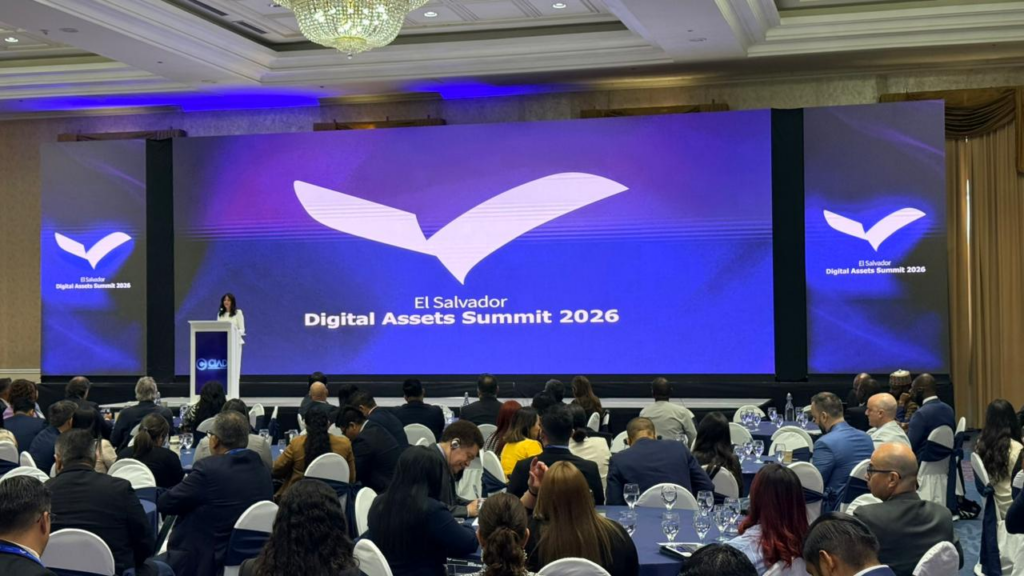
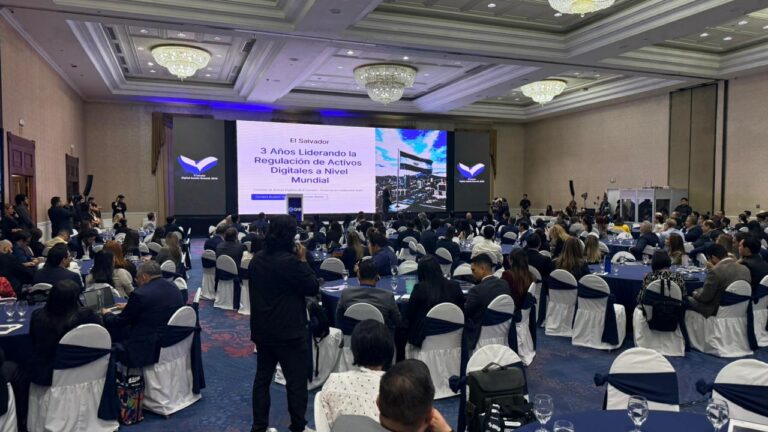
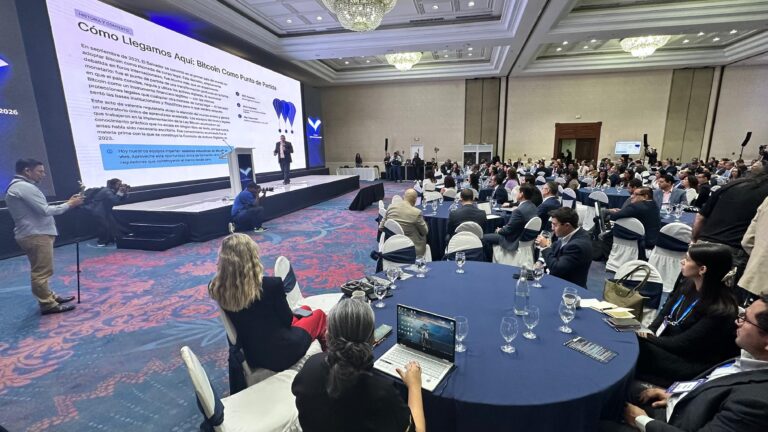
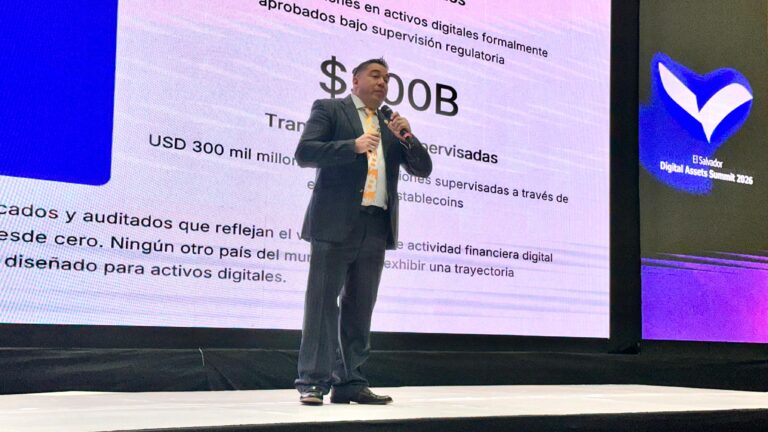
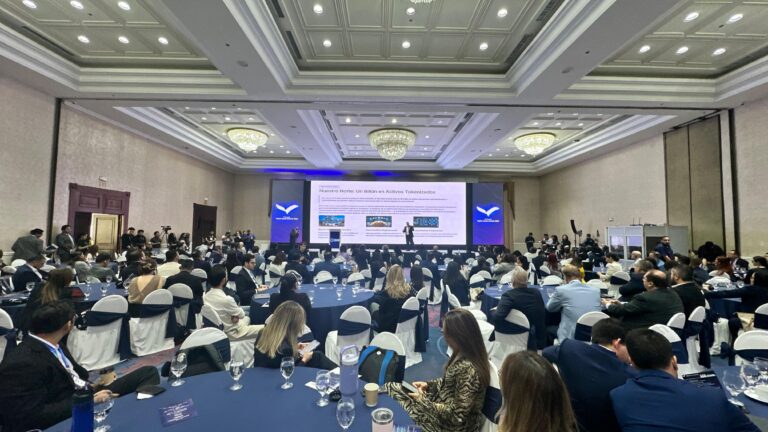
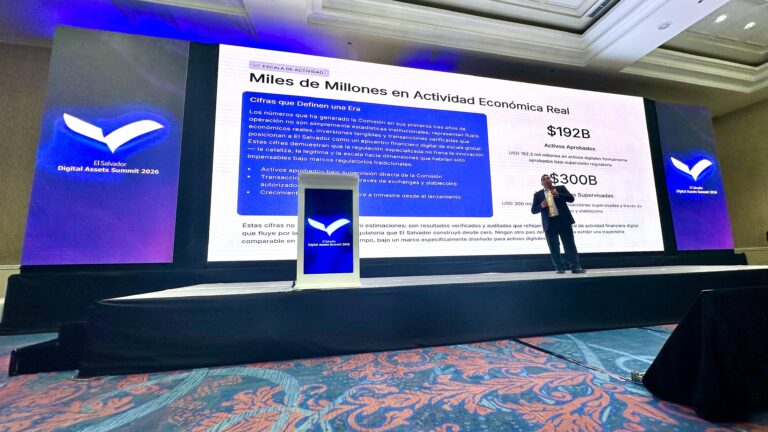
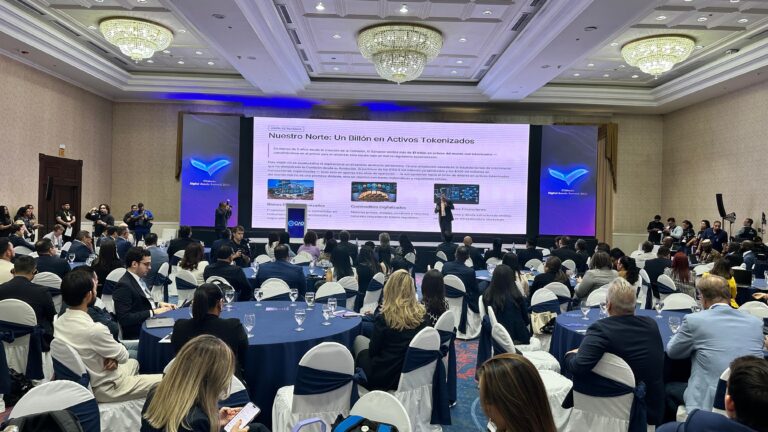
El Salvador continues to strengthen its position as a global reference in the digital assets industry with the holding of the Digital Assets Summit 2026, a space that brings together authorities, experts and international delegations to debate the present and future of blockchain-based financial technology.
During the event, the director of the Comisión Nacional de Activos Digitales (CNAD), César Córdova, explained that one of the main objectives is to promote education and understanding about concepts such as tokenization, the blockchain and the use of digital currencies.
According to the official, there is still ignorance in different sectors about these technologies, which is why the country seeks to generate learning spaces that allow companies and institutions to understand and take advantage of the opportunities that the digital economy offers. It is highlighted that El Salvador on the ground is promoting a commercial, as well as educational, ecosystem.
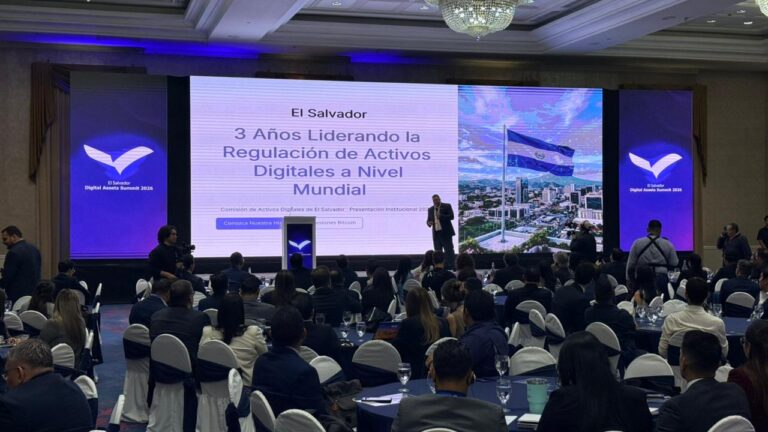
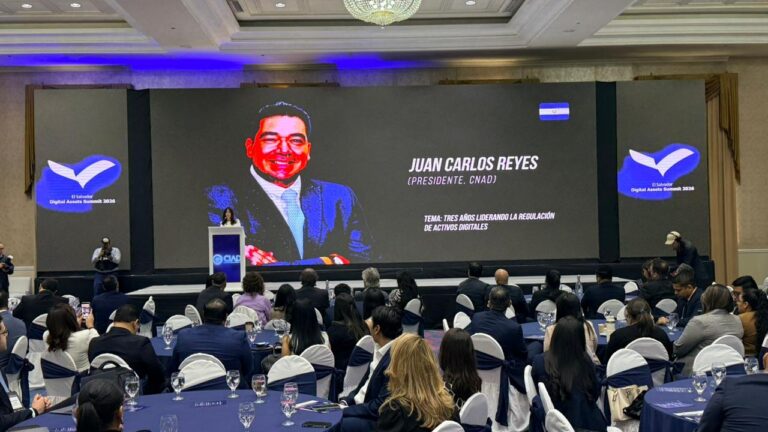
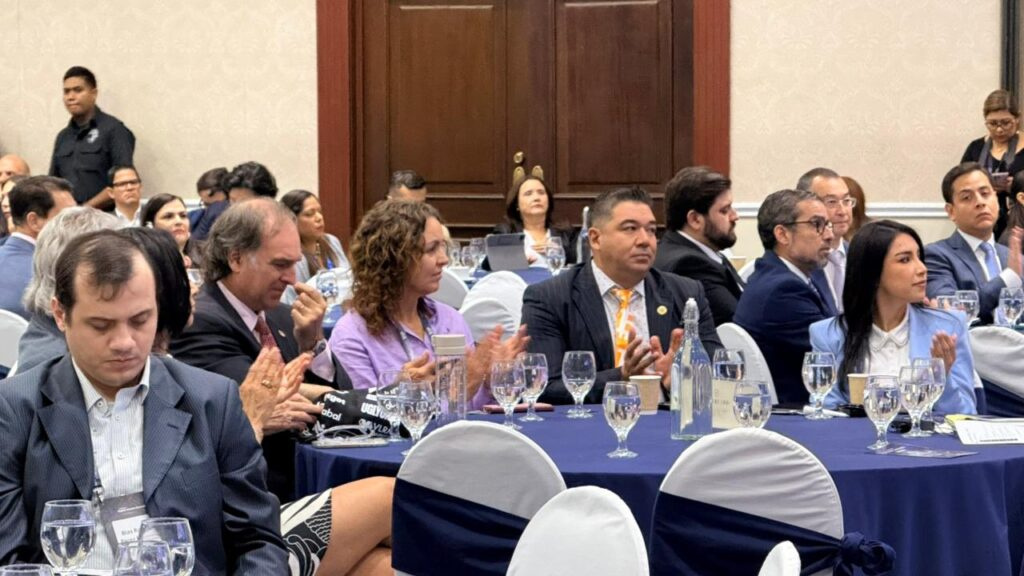
One of the key points marked during the summit was the international recognition of the salvadoran regulatory framework. The CNAD ensured that the country’s legislation is positioned among the most advanced in the world, which has generated interest from at least 20 countries, including Paraguay, Kazajistan, Uruguay, Argentina, Colombia, Canada and Nigeria, whose delegations participated in the meeting to learn about the salvadoran model.
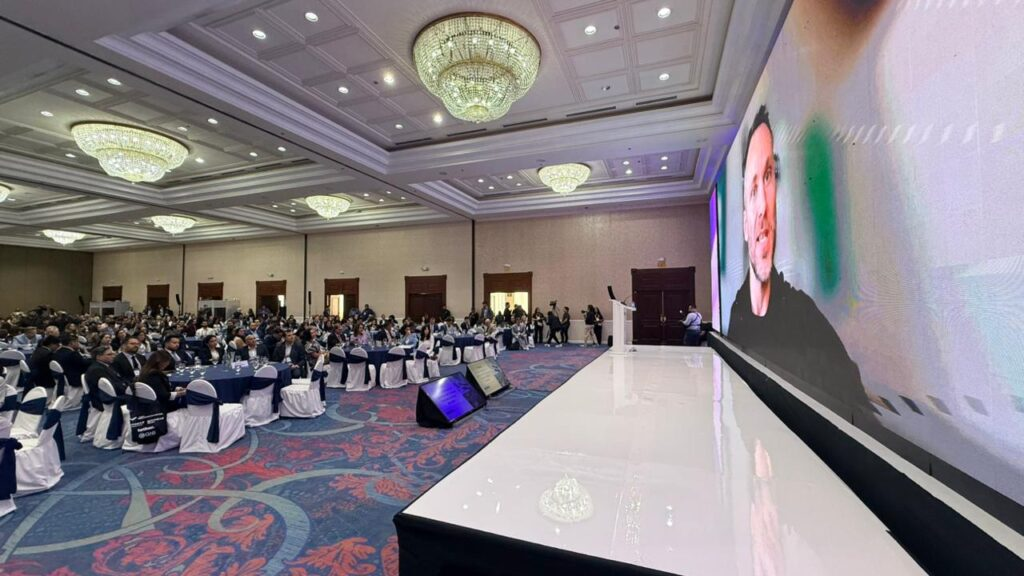
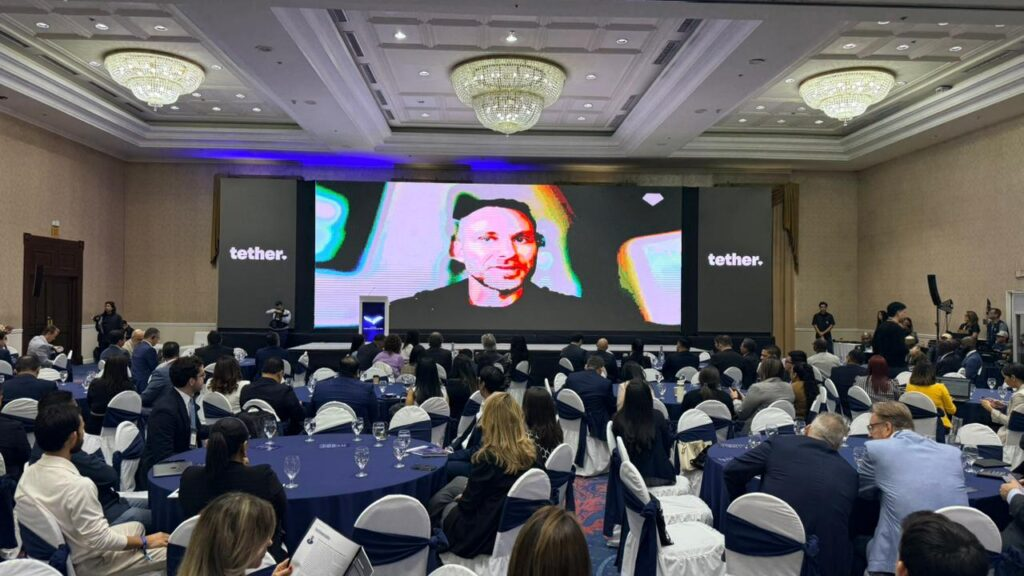
This regulatory environment, combined with factors such as security and legal certainty, has driven the arrival of foreign investment. Companies linked to digital assets have begun to establish operations in the country, as in the case of Tether, issuing stable currency USDT, which operates under regulation in El Salvador.
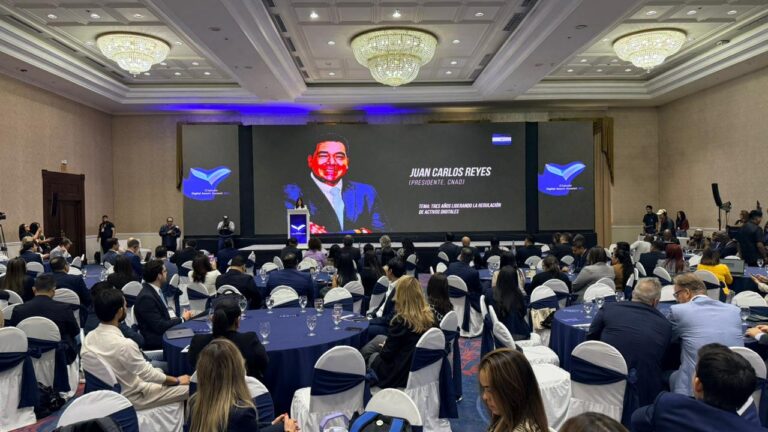
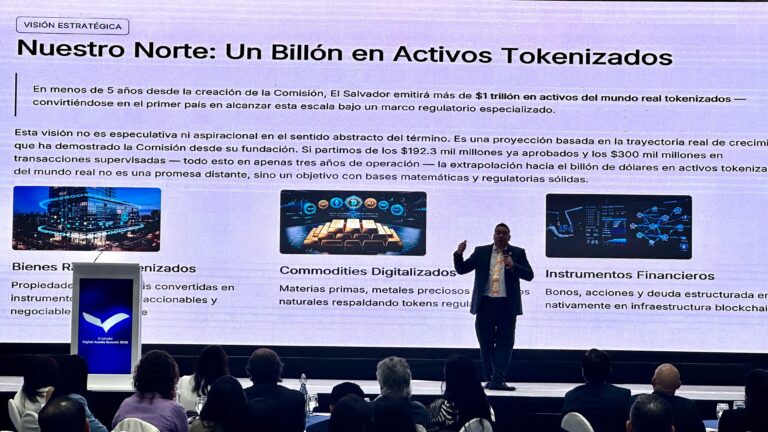
The president of the CNAD, Juan Carlos Reyes, explained that the country’s progress is closely linked to the adoption of Bitcoin, which allowed the development of technical and regulatory capabilities around digital assets.
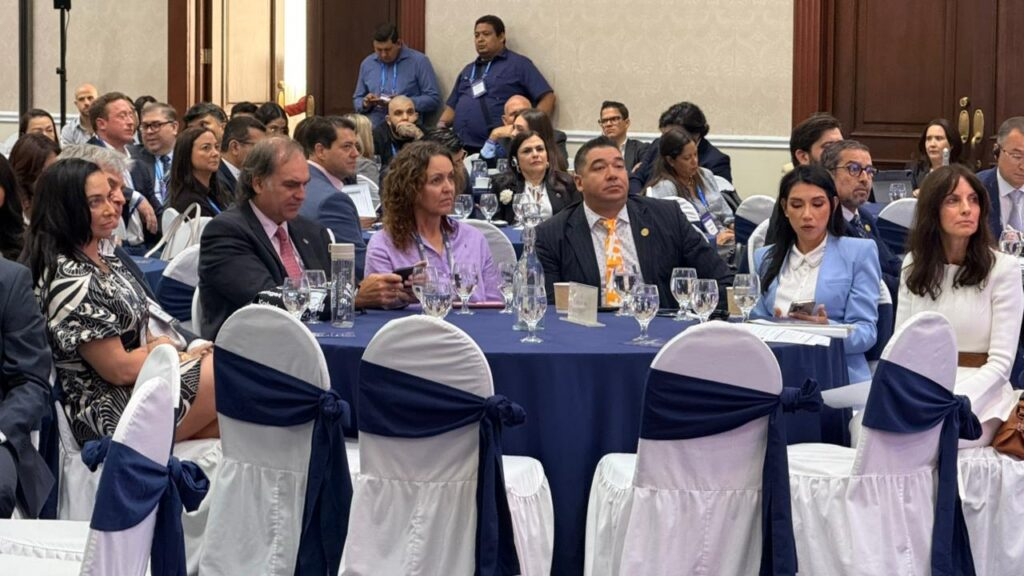
Reyes said that these assets must be understood as computer programs that function as financial instruments, which marks an evolution compared to traditional systems. Furthermore, it is highlighted that the industry has started to mature, leaving behind the initial confusion about cryptocurrencies and focusing on concrete applications within the financial system, such as tokenization.
At the same time, the impact of this transformation is also reflected in the tourism sector. The minister of Tourism, Morena Valdez, indicated that the ecosystem of digital assets has contributed to attracting visitors and investors to the country.
According to official data, of the 4.1 million international visitors registered last year, approximately 30% were linked to their interest in Bitcoin and digital assets. Only Surf City, in La Libertad, is home to 2.1 million tourists, consolidating this area as one of the country’s main destinations.
Valdez also highlighted the growth of so-called “Bitcoin villages”, located in areas such as Santa Ana, Alegría and Suchitoto, where the adoption of digital technologies in economic activities is being promoted, including tourism and the real estate sector.
In this context, financial education presents itself as one of the straight principals. The authorities agree that ignorance and fear of these technologies can limit their adoption, which is why initiatives are being promoted to train both businesspeople and entrepreneurs.
Furthermore, an increasing use of digital assets has been identified in sectors such as real estate, where there are projects that allow transactions to be carried out using these technologies. This has given way to the formation of communities of investors and entrepreneurs that drive the development of new business models.
The Government considers that this combination of innovation, regulation and training is laying the foundations for a new stage in the salvadoran economy. Even beyond a technological trend, digital assets stand out as a key tool for attracting investment, boosting productive sectors and positioning the country in the transformation of the global financial system.
You can also read: