

 dinero_admin
Farmers in the Los Toles canton of Ahuachapán have strengthened their staple grain crops with support from the Ministerio de Agricultura y Ganadería (MAG),as part of the Programa de Aumento a la Producción. This program provides technical assistance, supplies, and training to improve crop yields.
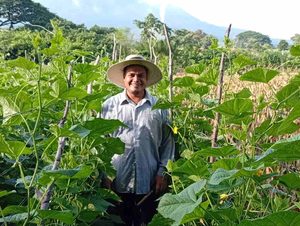
Víctor Pineda, a local farmer, explained that following the recommendations provided by the technicians allowed him to protect his corn crops and move toward a successful harvest. His plots are part of the Cooperativa Palo Pique, where the program operates on land with high productive capacity.
One of the factors that benefited the crops was the decision to plant early, which allowed them to take advantage of the first rains in april despite the decrease in rainfall in the area. This was complemented by the application of Good Agricultural Practices, the use of resistant varieties, and timely crop management.
MAG technician Julio Urrutia explained that the support includes actions for weed, pest, and disease control, with a projected yield of up to 120 quintals of corn per manzana (approximately 1.7 acres). The assistance aims to guide farmers through the different stages of the production cycle and reduce risks that can affect harvests.
For producers, this support also represents a tool to protect the investment made in their plots. Manuel Pimentel, another farmer participating in the initiative, highlighted that the program provides technical assistance throughout the entire process, allowing them to seek a higher profit margin when marketing their production.
The program also includes measures to address climate variability by providing inputs appropriate for the conditions of each area. Producer Guadalupe Ganuza noted that she received climate-resilient seeds and training on the proper application of inputs to her crops.
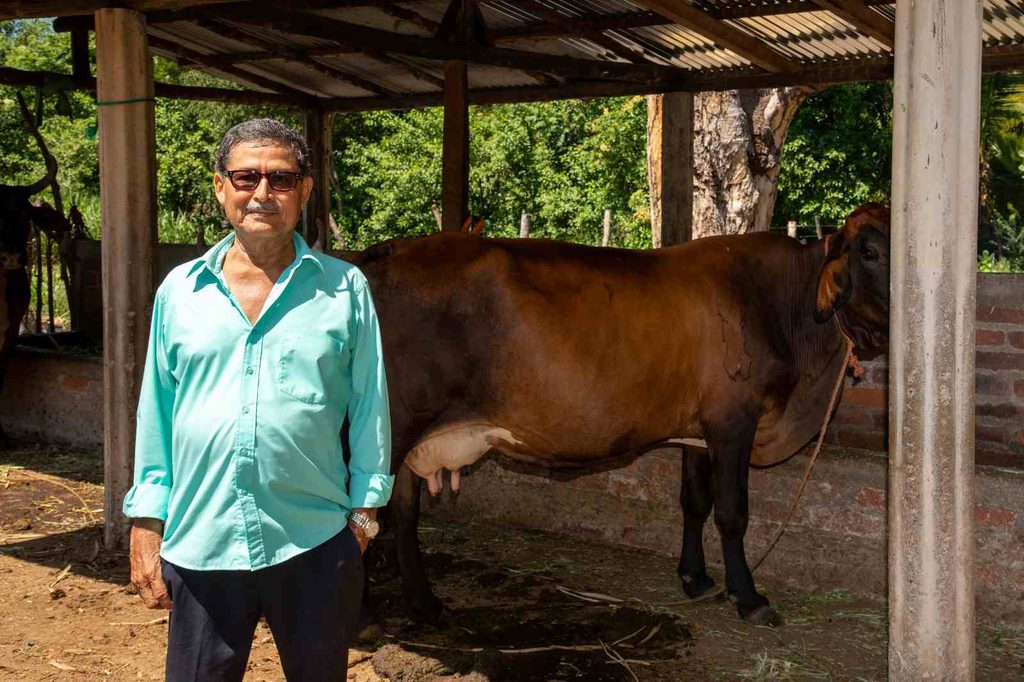
The work carried out by MAG specialists seeks to prevent losses associated with climate factors and contributes to maintaining national production volumes of staple grains. Technical support empowers farmers to make informed decisions throughout the agricultural cycle and improve their farm management.
According to the information provided, these initiatives aim to strengthen agricultural production, encourage domestic planting, and contribute to food security, while also supporting the economic activity of farming families in the beneficiary communities.
You can also read: