

 dinero_admin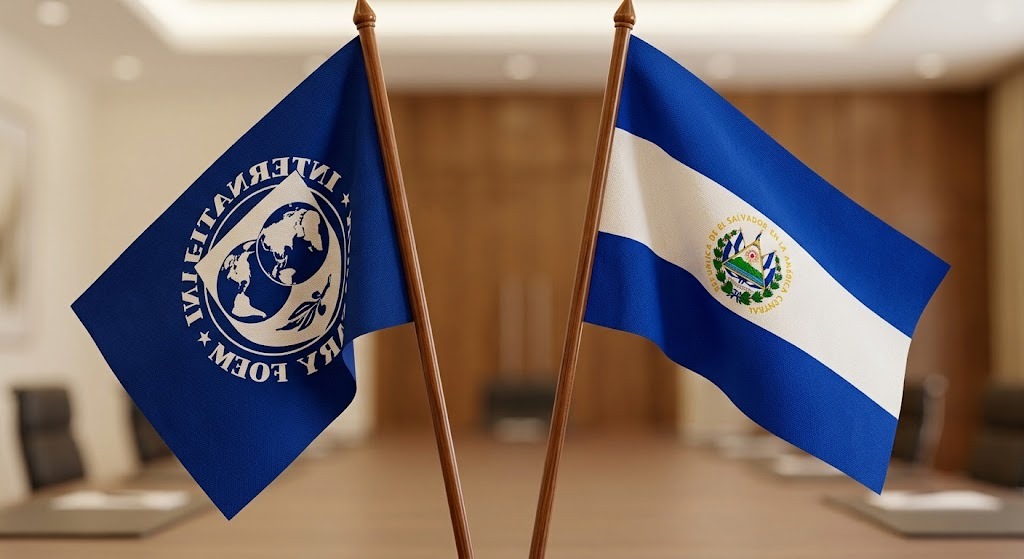
The Executive Board of the International Monetary Fund (IMF) has concluded the second and third reviews of El Salvador’s arrangement under the Servicio Ampliado del FMI (SAF). This decision enables the country to receive an immediate disbursement of 101.96 million of Derechos Especiales de Giro (DEG), equivalent to approximately US$138 million.
The SAF arrangement spans 40 months and was approved on february 26, 2025, providing El Salvador with total access equivalent to 1,033.92 million DEG (approximately US$1.4 billion). With the completion of these two reviews, the country can now access this new disbursement under the program agreed upon with the international financial institution.
According to the IMF, the salvadoran economy has performed better than expected as efforts to reduce macroeconomic imbalances continue. The institution noted that economic activity has been supported by ongoing improvements in security and increased investor confidence.
The IMF also highlighted progress in fiscal consolidation, as well as the strengthening of liquidity and foreign exchange reserves. Furthermore, it reported advancements in reforms regarding the financial sector, fiscal transparency, measures against money laundering and the financing of terrorism, and the transfer of majority ownership and control of the state-run Chivo wallet to a private operator.
However, the institution indicated that certain performance criteria were not met, including the one related to Bitcoin accumulation. Considering this, the Executive Board granted waivers based on corrective measures and renewed commitments from the authorities. The IMF also noted that no further Bitcoin accumulation is anticipated beyond documented donations. Looking ahead to the program’s next stages, the IMF noted that El Salvador must maintain its focus on fiscal sustainability, rebuilding external buffers, financial sector resilience, and governance and transparency reforms. Reforms regarding pensions and public employment, which had previously faced delays, will also be advanced as part of fiscal consolidation objectives.
The organization added that efforts will continue to reduce the State’s involvement in Bitcoin-related activities, strengthen the regulation and supervision of crypto-assets, and improve transparency regarding public sector holdings of these assets. Other priorities include maintaining adequate external reserve accumulation and strengthening financial system oversight mechanisms.
Following the announcement of the IMF’s decision, the U.S. Embassy in El Salvador congratulated the country on completing the second and third reviews of its program with the organization. In a brief statement, the Embassy noted that economic growth and the reforms being implemented continue to foster market confidence and could help attract greater foreign direct investment.
Read also: