

 dinero_admin
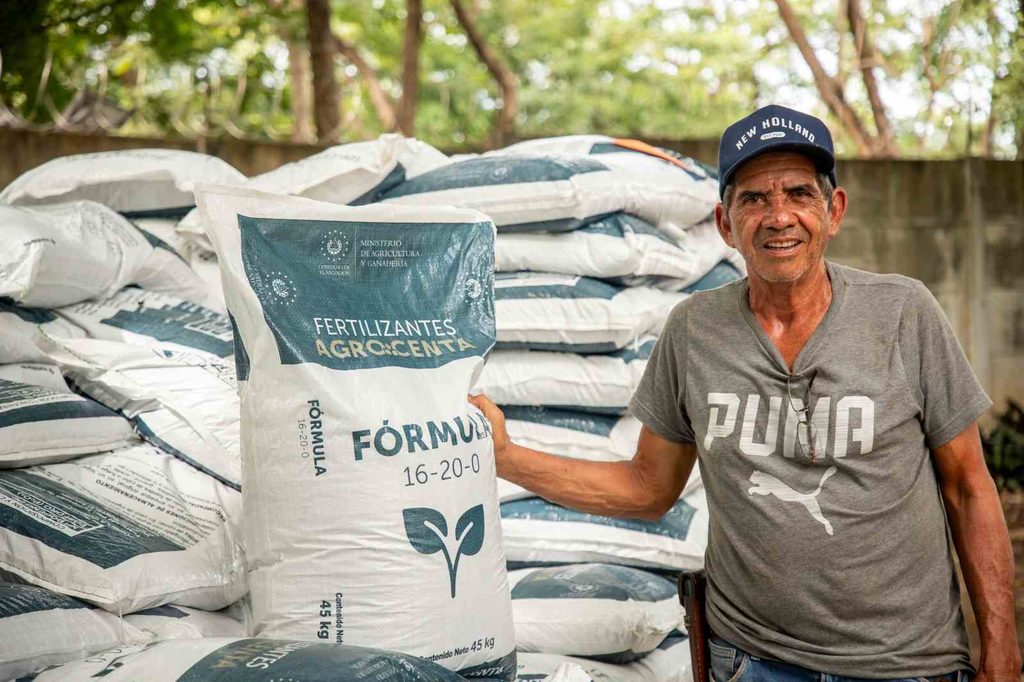
The Ministerio de Agricultura y Ganadería (MAG), the United Nations World Food Programme (WFP), and the Food and Agriculture Organization of the United Nations (FAO) are spearheading efforts to strengthen national maize production and prepare Salvadoran farmers for the impacts of drought and the El Niño phenomenon. As part of this initiative, these institutions will distribute 589 agricultural kits, rehabilitate 30 irrigation systems, and develop technical assistance programs for small-scale producers in the western part of the country.
The intervention aims to protect the livelihoods of farming families, improve food security, and enhance the adaptive capacity of rural communities in the face of climate change. Furthermore, it includes the protection of 589 blocks of irrigated maize crops through the provision of agricultural inputs, the restoration of farming infrastructure, and the implementation of climate-smart agricultural practices.
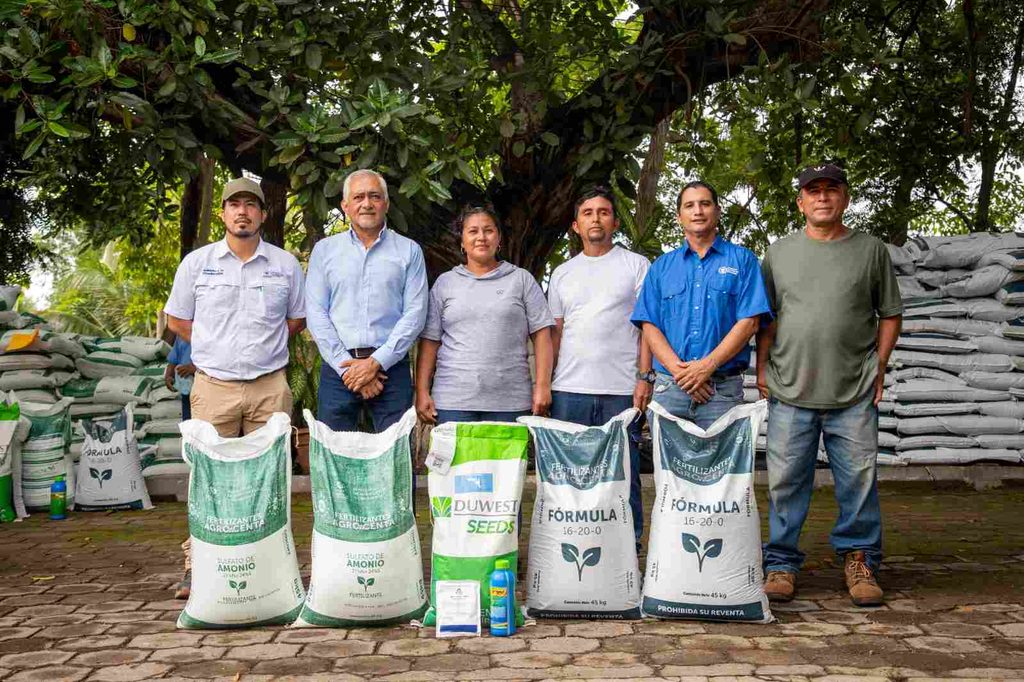
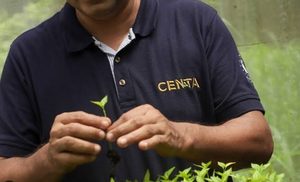
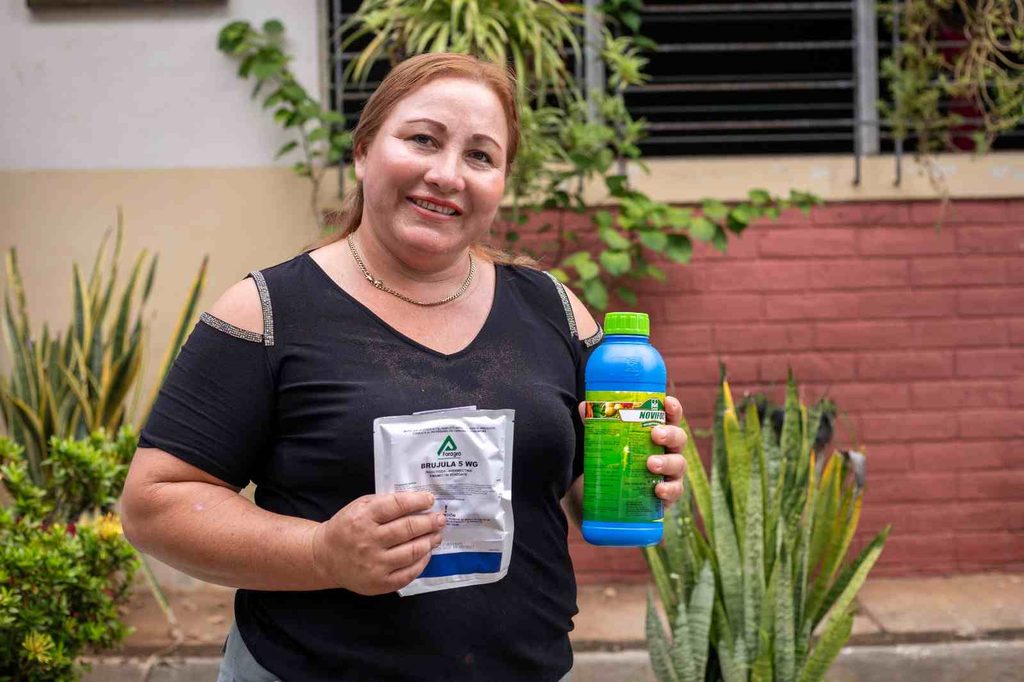
The agricultural kits contain high-yield hybrid maize seeds, fertilizers, and inputs for crop phytosanitary management. These resources will enable producers to improve planting conditions, boost yields on their plots, and mitigate risks associated with adverse weather. The receipt and distribution of these inputs are supported by the Centro Nacional de Tecnología Agropecuaria y Forestal (CENTA), through its extension agencies.
Another key component involves the rehabilitation or improvement of 30 irrigation systems, prioritizing those in greatest need of intervention. This measure seeks to optimize water use and ensure the continuity of agricultural production during periods of low rainfall, reducing the reliance solely on precipitation to sustain crops.
The initiative also encompasses technical assistance and training through Escuelas de Campo para Agricultores (ECA), a participatory methodology that allows producers to learn and apply new practices directly on their own land. Through this mechanism, the aim is to strengthen the knowledge of 350 farmers regarding irrigated maize production, efficient water use, and adaptation to climate variability.
These activities are being carried out in various districts across western El Salvador: Santiago de la Frontera and San Antonio Pajonal in Santa Ana Oeste; Santa Ana Norte, Metapán, and Texistepeque; Atiquizaya and San Lorenzo in Ahuachapán Norte; San Francisco Menéndez and Guaymango in Ahuachapán Sur; and Acajutla in Sonsonate Oeste. Through this reach, the institutions aim to support small-scale producers in areas identified as priorities for this intervention.
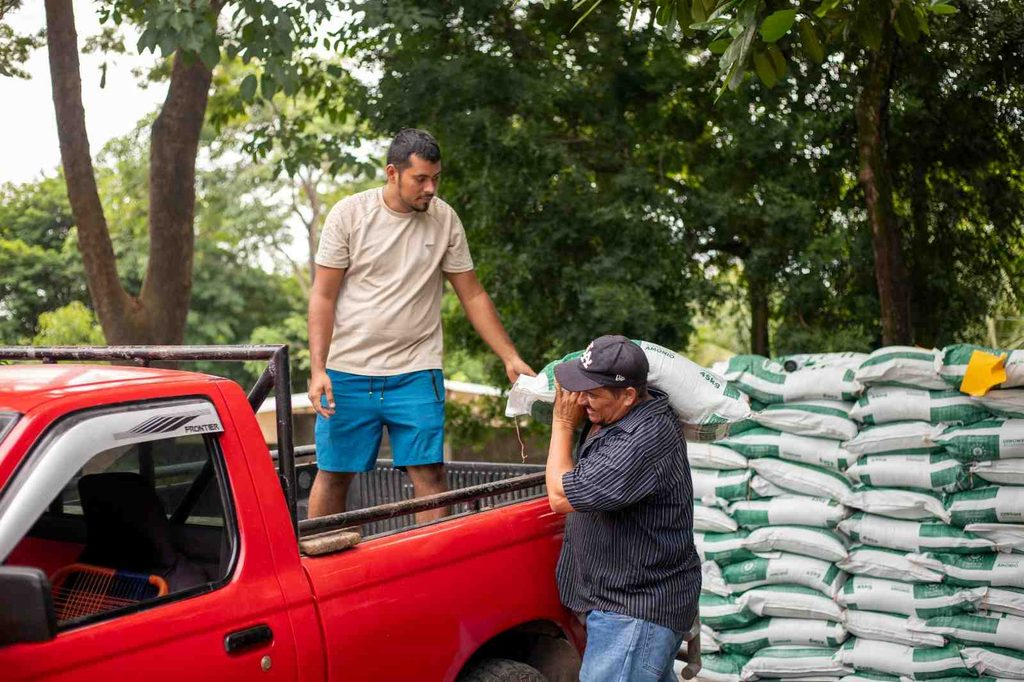
As part of the response to climate vulnerability, more than 8,000 people have also benefited from anticipatory action programs, designed to help families prepare before the impacts of drought occur. Additionally, cash transfers have been provided, enabling small-scale producers to purchase food according to their needs, help stimulate local economies, and protect their livelihoods.
Through this collaborative effort, the MAG , the FAO, and the WFP seek to strengthen the agricultural sector’s capacity to respond to changing climatic conditions. The provision of agricultural inputs, the restoration of irrigation systems, and technical training are all part of a strategy aimed at protecting crop areas, sustaining national maize production, and contributing to the food security of salvadoran families.
You may also read: