

 dinero_admin
The Ministerio de Agricultura y Ganadería (MAG) is strengthening irrigation options for salvadoran producers as part of the Programa de Aumento a la Producción. The goal is to maintain food production in the face of adverse weather conditions and reduce the economic impact that drought can have on the agricultural sector.
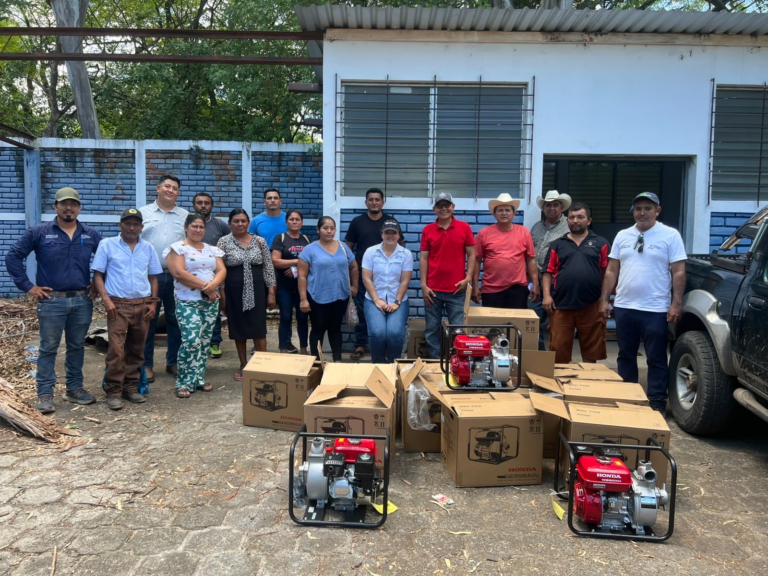
MAG’s Vice Minister, Óscar Domínguez, explained that the strategy includes small, medium, and large producers, under a national effort to ensure the continuity of planting. Among the measures implemented are the distribution of mobile irrigation systems and water pumps, as well as facilitating the drilling of wells and other wells, following a technical evaluation.
Domínguez noted that all the second planting areas included in the Programa de Aumento a la Producción, now have supplemental irrigation, which will reduce dependence on rainfall and allow farmers to maintain their crops during periods of unfavorable weather. According to the official, this strategy will allow for two to three harvests of staple grains per year.
From an economic perspective, guaranteeing access to water represents a measure to protect farmers’ investments. A crop loss implies not only less food availability but also the loss of resources allocated to seeds, fertilizers, labor, machinery, and other inputs. Therefore, having irrigation can help reduce the financial risk that producers face during prolonged periods of drought or irregular rainfall.
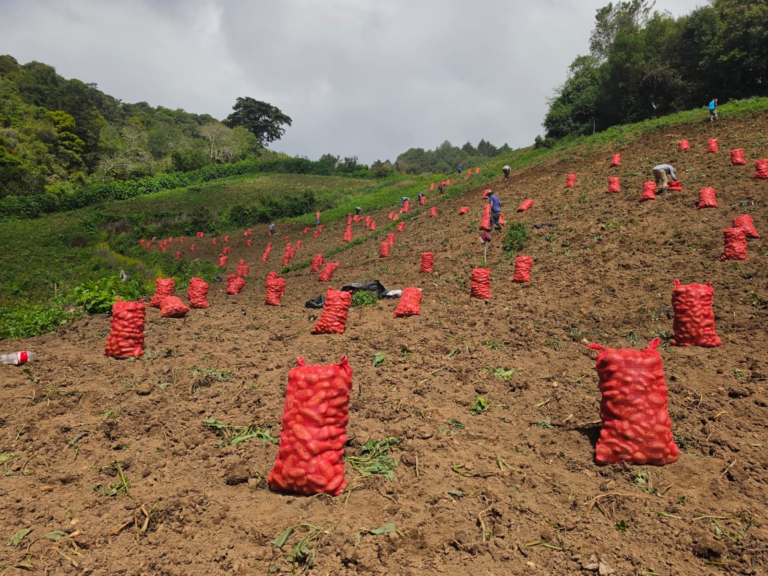
The strategy also includes vegetable production. The MAG reported that more than 3,500 manzanas (approximately 1,500 acres) have already been secured for this sector, with the aim of expanding and diversifying national production. Strengthening these crops can also generate greater economic activity in rural areas, due to the activity surrounding the production, transportation, marketing, and distribution of food.
Another element highlighted by the deputy minister is that the producing areas maintain their crops under a staggered planting system, allowing harvests to be obtained at different times of the year. This planning helps maintain a more consistent market supply and sustain the economic activity of producers.
Domínguez indicated that both public investment and investment by farmers will focus primarily on irrigation alternatives, to anticipate the effects of adverse weather conditions occurring in the region and other parts of the world.
The investment in infrastructure and irrigation systems therefore aims to reduce agricultural losses, protect producers’ income, and maintain national production. At the same time, greater crop stability can contribute to food security and reduce the economic risks that weather events pose for families who depend on agriculture.
You can also read: