

 dinero_admin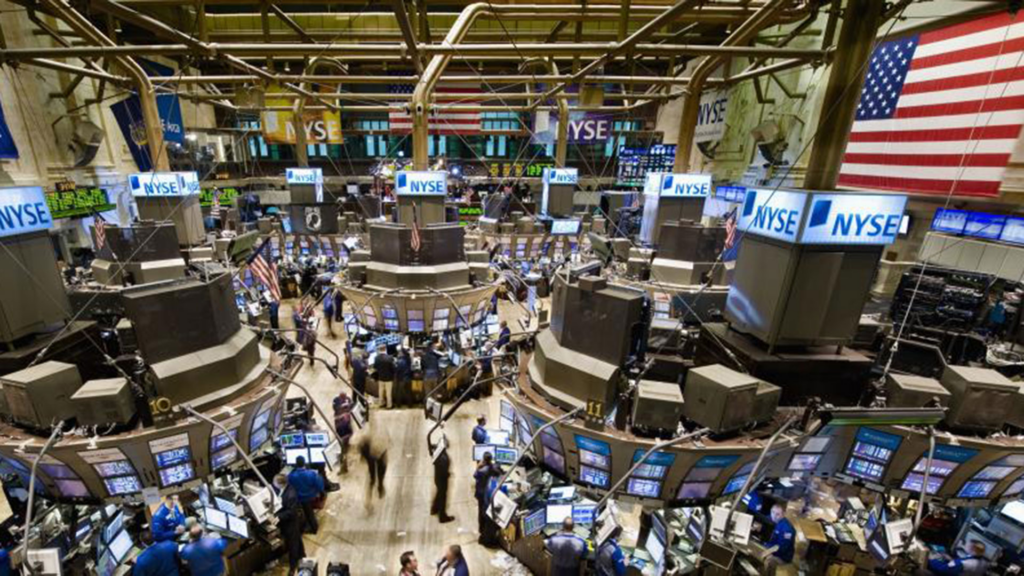
US stock markets opened higher, driven by renewed investor optimism amid signs of easing tensions in the Middle East, moderating inflation, and the start of earnings season.
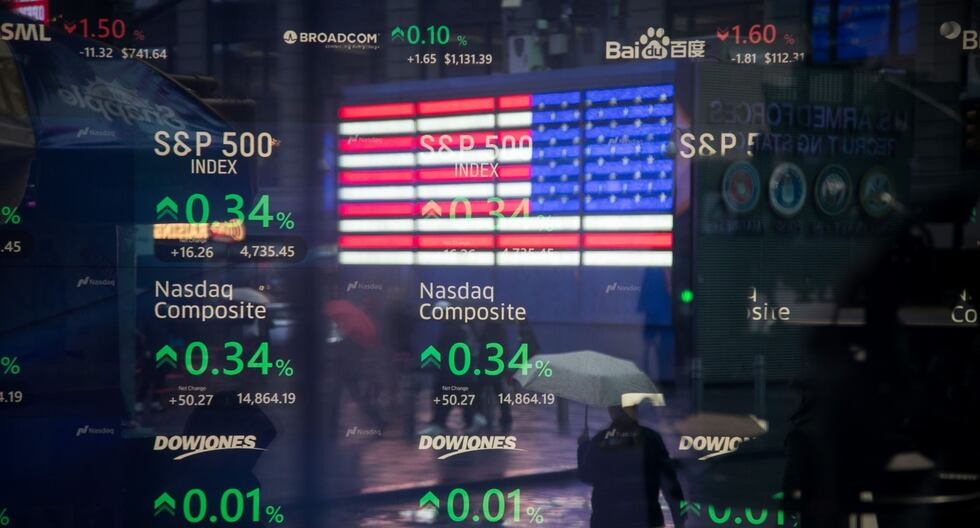
According to Bloomberg Line, the main indexes reflected this positive momentum. The S&P 500 advanced 0.33%, the Dow Jones Industrial Average rose 0.05%, and the Nasdaq Composite led the gains with a 0.86% increase, primarily driven by the technology sector.
Optimism over potential negotiations
The market’s advance is largely due to expectations that the United States and Iran will resume talks to extend the ceasefire amid the conflict. Despite the tension generated by measures such as the naval blockade in the Strait of Hormuz, investors interpret the diplomatic signals as an indication that the conflict may not escalate.
This perception has contributed to improved risk appetite in financial markets, reducing the volatility observed in previous weeks.
Oil prices fall
In this context, oil prices registered a decline, reflecting less concern about disruptions in energy supply. Brent crude settled near $98 per barrel, while WTI hovered around $97.
The drop in energy prices also extended to natural gas in Europe, which fell to levels close to €44 per megawatt-hour. This behavior reflects the expectation that a potential geopolitical easing will allow for the normalization of supply flows.
Reaction in commodities and financial assets
The change in market sentiment also impacted on other commodities. Copper reached multi-week highs, driven by improved global growth prospects, while gold continued its upward trend, approaching $4,800 per ounce, supported by the weak dollar and its role as a safe-haven asset.
Meanwhile, higher-risk assets like Bitcoin also saw gains, trading around $74,000, in line with the increased appetite for more volatile investments.
Inflation shows signs of relief
On the macroeconomic front, recent data brought some relief to the markets. Wholesale inflation in the United States came in below expectations, reducing pressure on monetary policy and reinforcing expectations of a less restrictive financial environment.
This data adds to previous consumer inflation reports which, while reflecting the impact of rising gasoline prices, showed a more moderate underlying trend.
Mixed signals in the real economy
Despite the optimism in financial markets, some economic indicators show signs of caution. Small business confidence in the United States fell to its lowest level in almost a year, affected by rising costs and economic uncertainty.
This suggests that, although markets are reacting positively, the real economy still faces challenges stemming from the global context.
Corporate earnings under scrutiny
Investors are also focused on corporate earnings, especially in the financial sector. JPMorgan Chase reported record revenue in its trading business, although it lowered its interest income forecast.
Meanwhile, Citigroup showed solid performance, achieving its highest profitability in five years, while Wells Fargo faces pressures related to its credit exposure.
BlackRock stood out for registering strong capital inflows, especially into exchange-traded funds (ETFs), demonstrating that investors continue to bet on the markets, albeit with greater caution.
An optimistic market, but attentive to risks
Overall, market behavior reflects a balance between optimism about a possible geopolitical de-escalation and caution regarding persistent risks.
Although risk appetite has returned, investors remain focused on the evolution of the conflict in the Middle East, energy prices, and global economic conditions—factors that will continue to define market direction in the short term.
You can also read: