

 dinero_admin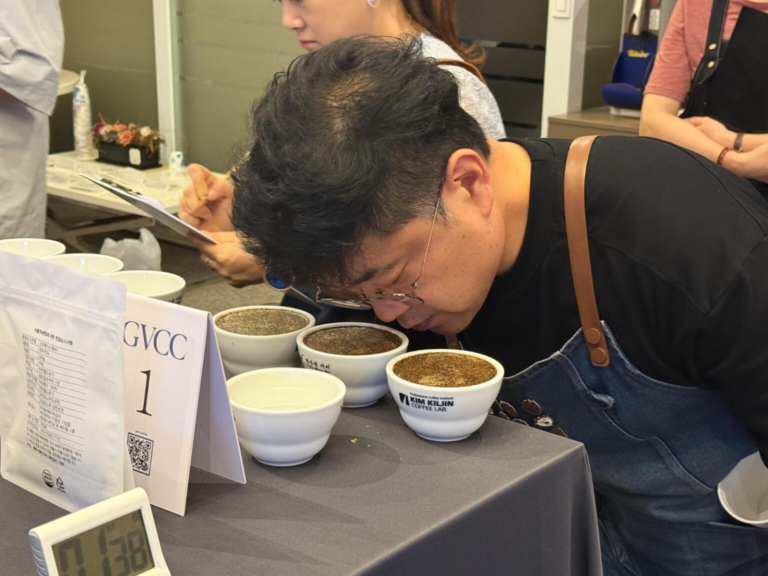
El Salvador continues to promote the opening of new markets for its export products, this time with a strategy focused on strengthening the presence of specialty coffee in South Korea, one of the Asian markets with growing demand for differentiated, high-quality products.
The Salvadoran Diplomatic Mission in the Republic of Korea held a Salvadoran Specialty Coffee Tasting in the city of Busan, an activity aimed at connecting national producers with buyers, roasters, importers, and other stakeholders in the South Korean coffee industry.
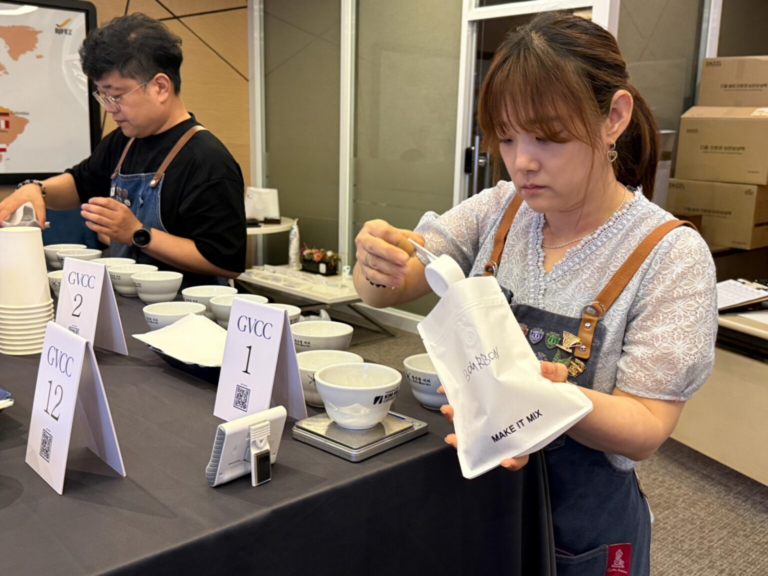
The event was developed in coordination with Global Value Chain Coffee Infrastructure (GVCC), a company dedicated to connecting participants within the coffee value chain, and had the technical support of RBH Coffee, which was responsible for roasting and preparing the samples presented during the event.
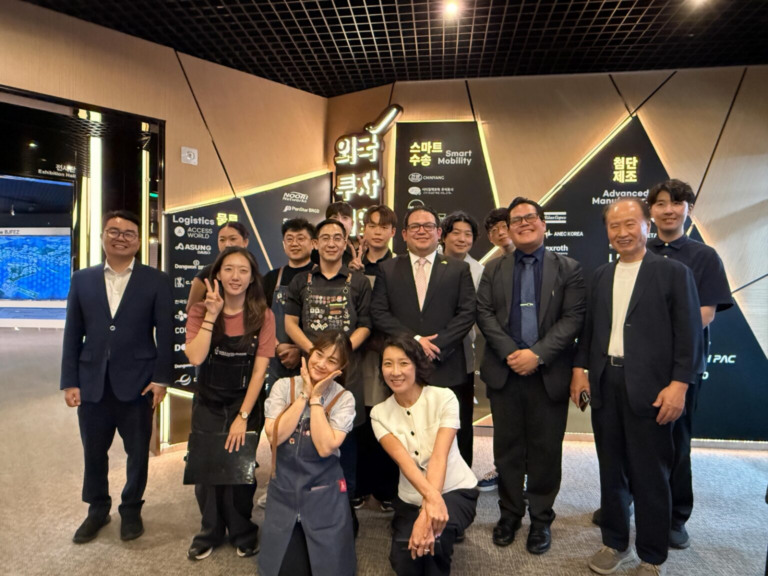
The event took place at the Busan-Jinhae Free Economic Zone Authority (BJFEZ), a strategic zone for trade and investment in South Korea, facilitating business connections and showcasing the opportunities offered by Salvadoran coffee within a specialized market.
During the tasting, four samples of specialty coffee were presented, evaluated using the professional methodology of the Specialty Coffee Association (SCA). These included varieties such as Pacamara honey-processed from the Alotepec Designation of Origin; Cuscatleco natural-processed from the Tecapa-Chinameca Designation of Origin; Bourbon washed-processed from the Apaneca-Ilamatepec Designation of Origin; and Pacas washed-processed from the Cacahuatique Designation of Origin.
These samples, provided by the Instituto Salvadoreño del Café (ISC), allowed representatives of the Korean coffee industry to demonstrate the distinctive characteristics of salvadoran coffee, highlighting aspects such as its quality, traceability, genetic diversity, and unique cup profiles.
Promoting salvadoran coffee in South Korea presents an opportunity to expand coffee sector exports, attract international buyers, and strengthen trade ties with companies interested in higher value-added products.
In addition to boosting coffee sales, these initiatives aim to position El Salvador as a competitive origin within the specialty coffee segment, where consumers value quality, the product’s history, and the practices behind its production.
The salvadoran Embassy emphasized that coffee remains one of the country’s most representative products and that there is currently a supply capable of meeting the needs of specialized markets, generating new economic opportunities for producers, exporters, and the entire national production chain.
You can also read: