


 dinero_admin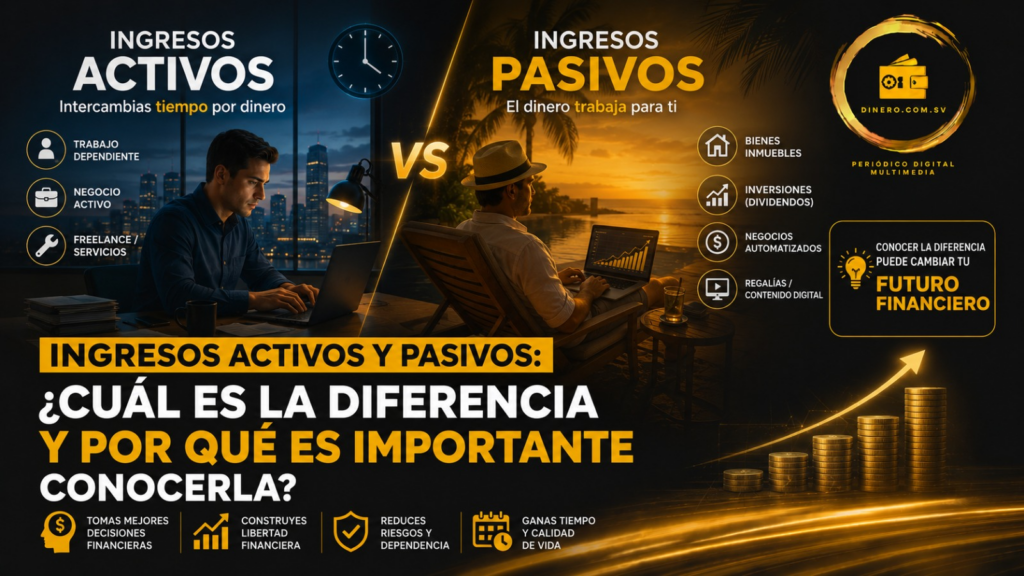
Understanding the difference between active and passive income is essential for proper financial planning. Both represent sources of income, but they are generated differently and have a different impact on people’s financial stability.
Active income is earned in exchange for performing work or providing a service. This category includes wages, fees, commissions, and any compensation that depends directly on a person’s time and effort. In other words, if a person stops working, this income also stops.

This type of income is the primary source of funds for most households and covers daily expenses such as food, housing, transportation, and education. However, its main limitation is that it depends on the ability to continue working, so it can be affected by unemployment, illness, or changes in the labor market.
Passive income is income that continues to generate money with limited or less consistent involvement from the owner, generally following an initial investment of time, money, or both. Some examples include rental income from properties, dividends from investments, interest from financial instruments, copyright royalties, or profits earned from businesses that can operate with little direct intervention.
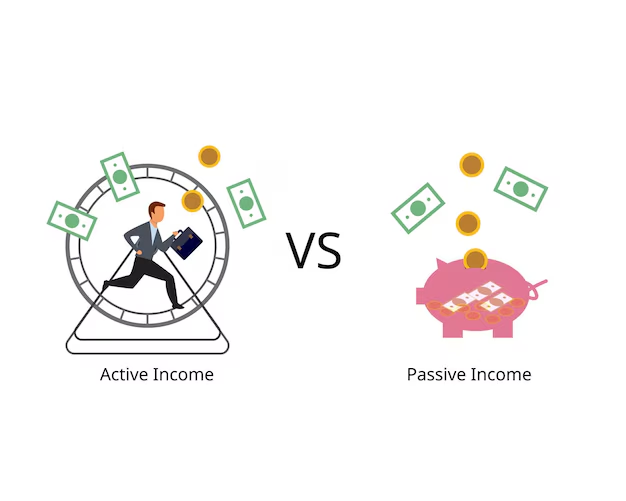
Although it is often associated with greater financial freedom, passive income is not generated immediately. In most cases, it requires planning, saving, investing, and a long-term strategy to begin producing consistent returns.
Personal finance experts recommend not relying exclusively on a single source of income. Diversifying income sources helps reduce financial risks and build greater economic stability in the face of unforeseen events or changes in employment conditions.
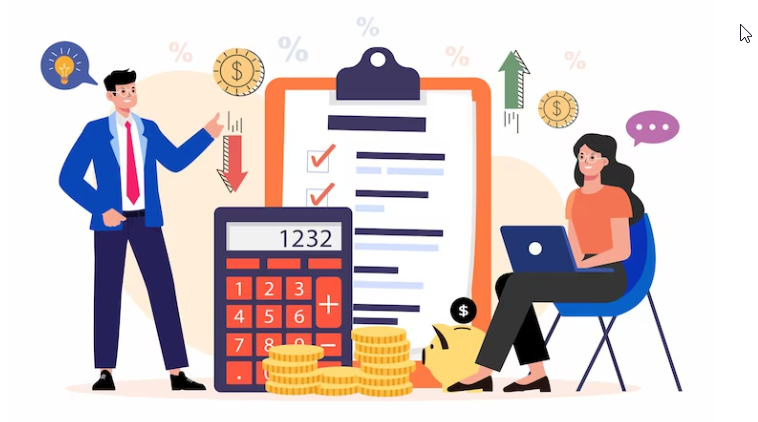
Developing passive income does not mean immediately replacing your primary job, but rather gradually supplementing it. Allocating part of your savings to investments, acquiring assets that generate returns, or developing projects that produce recurring income are some of the strategies used to strengthen personal finances.
In a context where financial planning is becoming increasingly important, understanding the difference between active and passive income allows you to make better financial decisions, manage your money more efficiently, and move toward greater long-term financial security.
You can also read: