

 dinero_admin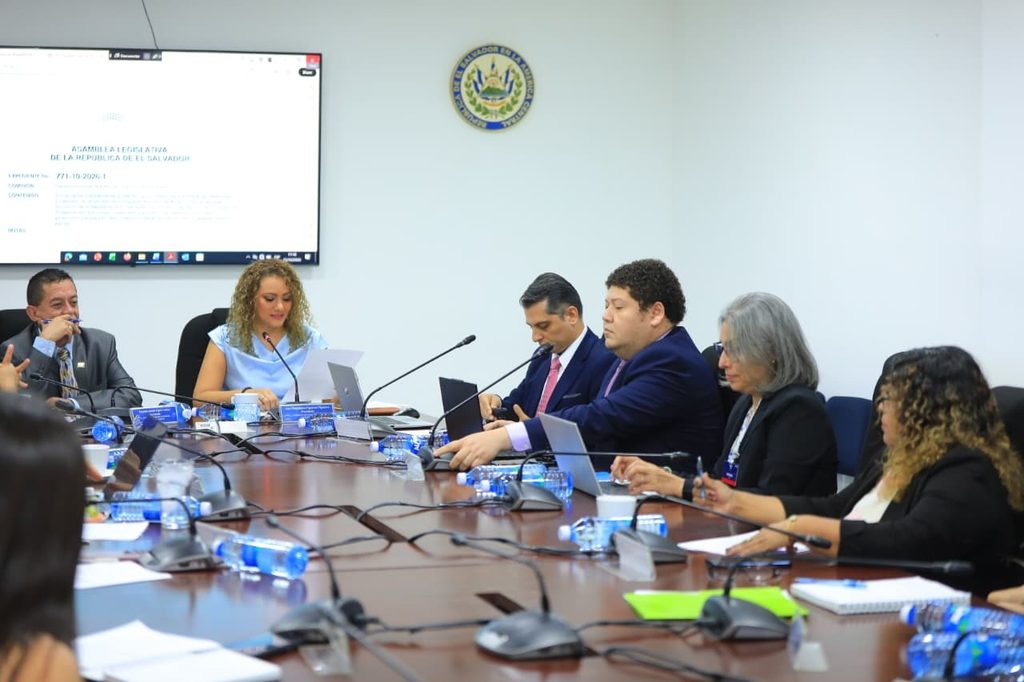
The Comisión de Salvadoreños en el Exterior, Legislación y Gobierno has issued a favorable opinion for the ratification of the Partial Scope Agreement between El Salvador and Belize, a trade instrument that includes tariff preferences designed to expand the exchange of goods between the two countries. If ratified, 316 salvadoran-manufactured products could enter the Belizean market with zero tariffs, thereby reducing export-related costs.
The agreement was signed on august 13, 2026, and aims to facilitate bilateral trade by eliminating or reducing tariffs on selected goods. In total, it provides benefits for 422 salvadoran products: 316 would be subject to zero tariffs, while 106 would qualify for partial tariff reductions, according to information provided by the Ministerio de Economía (MINEC).
The elimination of tariffs means that products in this category could enter the belizean market without paying the corresponding import duties, provided they meet the conditions established in the agreement. This could boost the competitiveness of salvadoran companies by lowering some of the costs they face when marketing their goods abroad.
Domestic sectors that could benefit include metalworking, the chemical industry, paper and cardboard, textiles and apparel, plastics and rubber, and the agro-industrial sector. These trade terms are intended to create opportunities for more salvadoran products to enter the Belizean market and expand their commercial reach.
Ernestina Renderos de López, Deputy Director of Trade Agreement Administration at MINEC, explained that these tariff preferences are intended to facilitate trade between the two nations, enhance product competitiveness, and broaden market access opportunities. The agreement also includes benefits for goods from Belize entering El Salvador.
For Belize, the agreement provides preferences for 276 products: 194 may enter El Salvador duty-free, while 82 others will be subject to partial tariff reductions. The goods covered include leather and hide products, stone manufactures, furniture, and wood products. Tariff preference margins will range from 25% to 100%, depending on the specific product and its corresponding category.
In addition to tariff terms, the agreement incorporates provisions to simplify customs procedures, establish rules of origin, and implement sanitary, phytosanitary, and technical measures. It also promotes investment and economic cooperation through business meetings, information exchange, technology transfer, and training. To oversee compliance, an Administrative Commission will be established, tasked with evaluating the agreement’s implementation and proposing modifications or expansions to the lists of eligible products.
The agreement must undergo the necessary legislative ratification process before its provisions can take effect. According to Renderos de López, the agreement also represents an opportunity to strengthen economic ties with Belize, a country that, the official notes, is home to more than 60,000 salvadorans. The implementation of these trade preferences could create new opportunities for businesses in both countries and expand bilateral trade.
You may also want to read: