

 dinero_admin
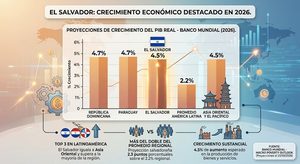
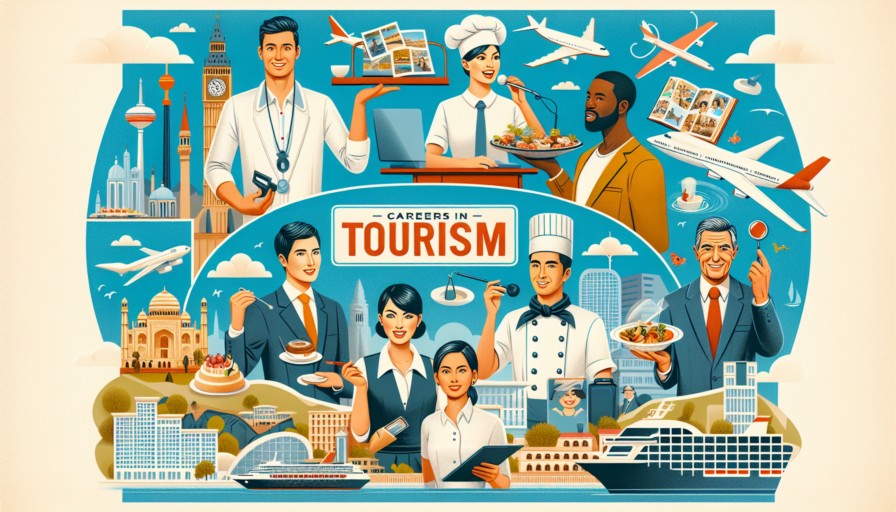
The tourism sector in El Salvador continues to position itself as one of the main drivers of the national economy, generating more than 340,000 direct and indirect jobs throughout its value chain, as highlighted by the minister of Tourism, Morena Valdez. This growth reflects the sustained strengthening of the industry, which has doubled its contribution to the Gross Domestic Product (GDP), going from representing around 5% in 2019 to around 10% today.
During an interview on Radio YSKL, the head of the Ministry of Tourism of El Salvador explained that the results respond to an integral strategy that combines international promotion, attraction of high-level events and coordination with the private sector. Only in the first three months of 2026, the country has received more than a million international visitors, which marks a positive pace towards the annual target of 4.2 million tourists.
This flow of visitors translates into an income projection exceeding US$3,600 million in foreign currency, driven largely by the holding of international events. These include golf tournaments, sporting competitions such as IRONMAN 70.3 San Salvador and cultural and entertainment activities, such as Shakira’s artistic residency in the country.
One of the most dynamic periods was the recent Holy Week, during which El Salvador received 208,000 international visitors, an increase of 50% compared to the same period in 2025. The minister especially highlighted the growth of regional tourism, with a strong presence of visitors from Guatemala, which has motivated the expansion of connections aerial. The TAG Airlines airline will start from may 4th daily flights for direct flights between Guatemala and San Salvador.
In addition to air tourism, the country has also recorded an increase in the arrival of cruise ships. Recently, more than 800 cruisers disembarked to carry out tours in destinations such as the Historic Center of San Salvador and the Ruta de Las Flores, thus strengthening the diversification of the tourist offer.
The Government promotes initiatives to raise the quality of the sector, such as the “family friendly” seal, developed in coordination with the Despacho de la Primera Dama and the Organización Mundial del Turismo. This certification seeks to position El Salvador as an ideal destination for families, both national and international, through standards of care, security and adapted services.
The strategy also includes the decentralization of the tourist experience. Programs linked to Surf City are taking visitors to new destinations within the country, integrating cultural spaces such as the Biblioteca Nacional de El Salvador, as well as natural attractions such as Parque Nacional El Boquerón and the sector of the Ex Presidential House.
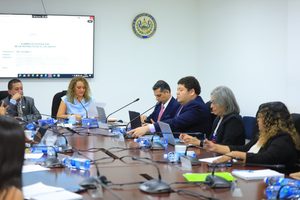
The minister underlines that these advances are the result of joint work with institutions such as the Ministry of Economy of El Salvador and the business sector, especially in the training of human talent, a key element for sustaining the growth of tourism.
With an agenda full of activities, improvements in connectivity and a strategy focused on diversification, El Salvador continues to consolidate tourism as a key pillar for the generation of employment, investment attraction and economic dynamization of the country.
You can also read: