

 dinero_admin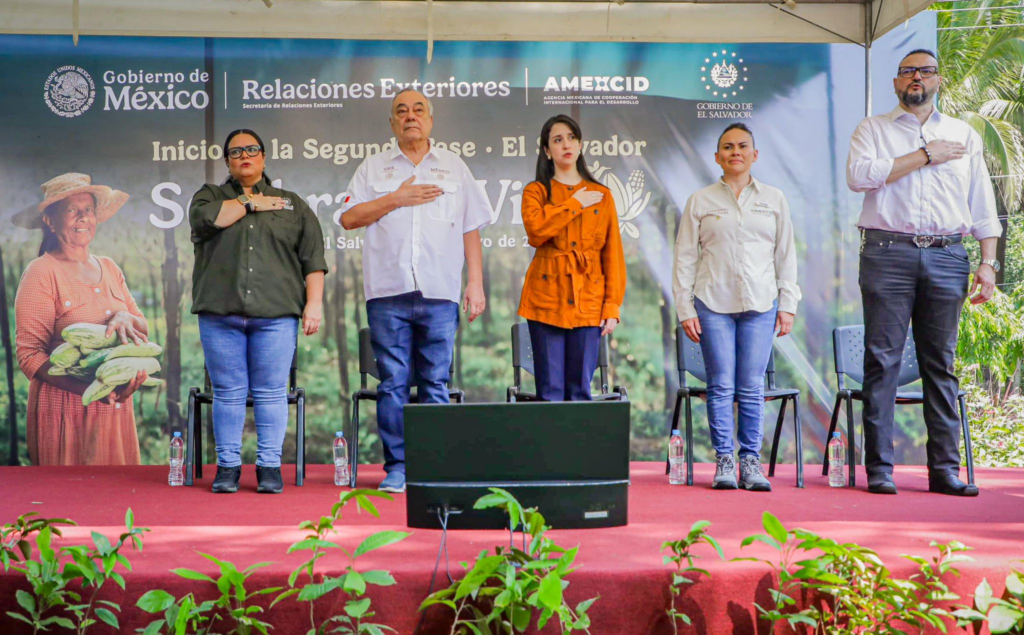
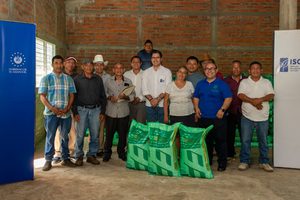
In its second phase, the “Sembrando Vida” program will provide monthly financial support of US$114 for eight months, in addition to agricultural supplies, plants, and tools. This is complemented by technical support through specialized training, with the aim of strengthening beneficiaries’ productive capacities and improving their incomes in El Salvador.
The initiative, promoted by the Salvadoran government with the support of international cooperation from Mexico, seeks to benefit approximately 10,000 farmers in 11 departments across the country, with a focus on returnees. In the department of La Libertad, where the program was launched, 320 participants have already registered.
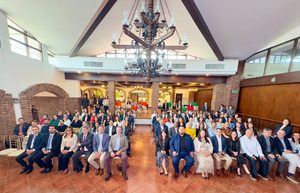
The event was attended by Deputy minister of Foreign Affairs Adriana Mira; the mexican Ambassador to El Salvador, Ricardo Cantú; the director of the Escuela Nacional de Agricultura, Odette Varela; and the executive director of the Agencia Mexicana de Cooperación Internacional para el Desarrollo, Alejandra Del Moral Vela.
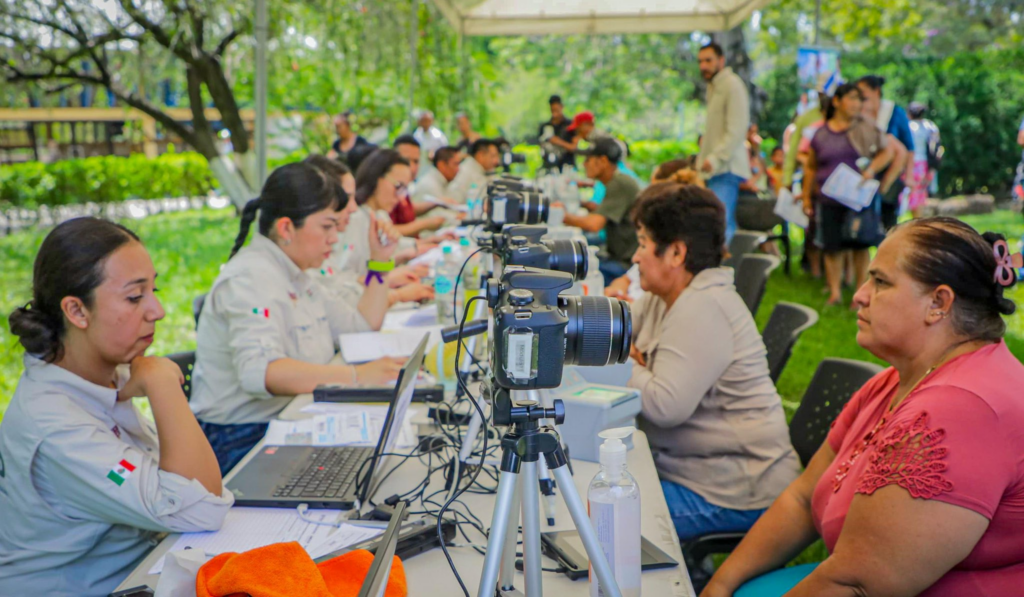
The officials emphasized that this second phase consolidates a productive development model that combines direct support, technical training, and strengthening of the rural sector. In the first phase, beneficiaries acquired knowledge that now enables them to improve their plots and generate higher incomes.
As part of the strategy, the program includes the installation of 40 bio factories, which will serve as centers for learning and the production of inputs, as well as 300 irrigation systems that will help improve agricultural efficiency and resilience to climate change.
The project has a budget of US$15.5 million, aimed at revitalizing local economies, fostering community work, and promoting sustainable agricultural practices.
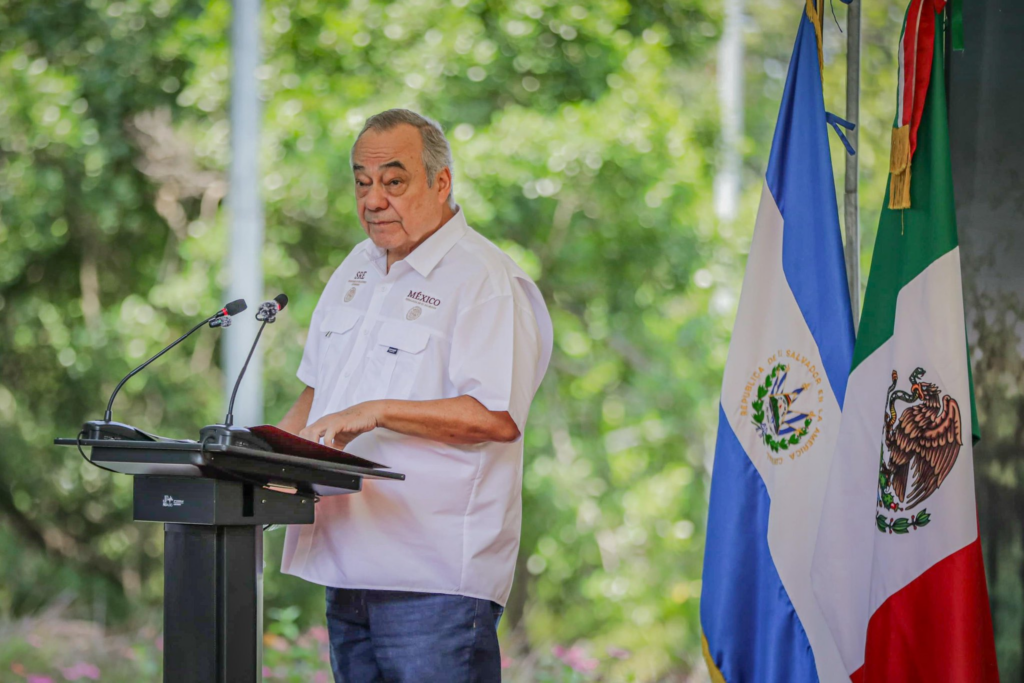
Representatives of the Mexican cooperation agency emphasized that “Sembrando Vida” stands out for its scope, directly benefiting thousands of farmers, which makes it a program with a high social impact. They also noted that it contributes to progress toward food security and productive sovereignty.
Program beneficiaries also highlighted the results achieved, noting that the knowledge they have gained will allow them to continue strengthening their agricultural activities and ensure the livelihood of their families.
With this second phase, El Salvador and Mexico are reaffirming their partnership in support of rural development, committing to a model that combines investment, expertise, and technical assistance to improve living conditions in communities.
You may also be interested in: