

 dinero_admin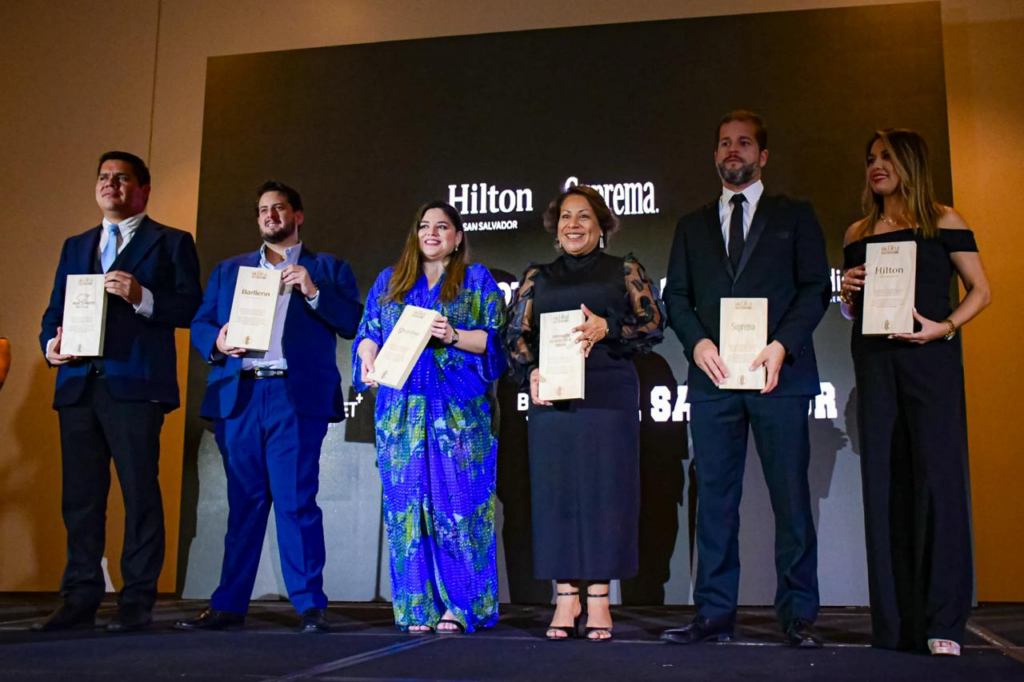
The food service sector reaffirmed its importance to the salvadoran economy yesterday, after tourism authorities highlighted that 35% of formal tourism jobs in El Salvador were in the food service industry. This data was presented during the Séptima Gala de la Gastronomía Red Fork, an event that recognized chefs, baristas, pastry chefs, and restaurants for their innovation and contribution to the country’s culinary development.
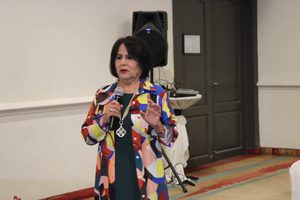
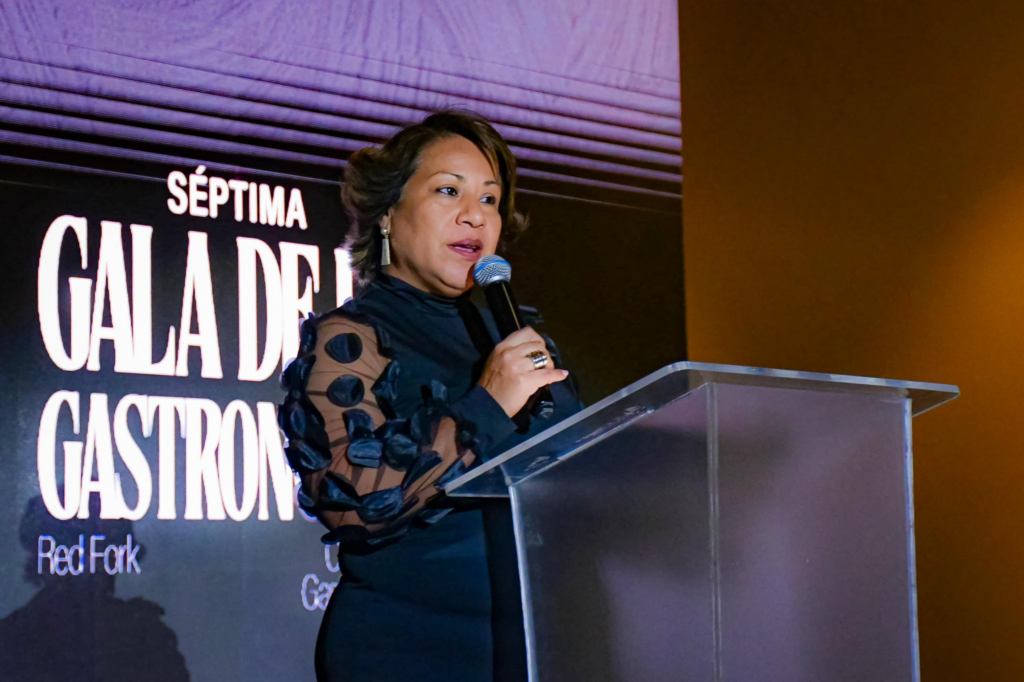
The executive director of the Corporación Salvadoreña de Turismo, Alejandra Durán, stated that gastronomy has become one of the strongest pillars of national tourism, both for its economic impact and for generating employment and attracting visitors.
“More than 2,500 of the nearly 3,500 tourism businesses in El Salvador are in the food sector. This sector accounts for 72% of tourism businesses, positioning itself as the main component of the national offering and demonstrating the strategic importance of gastronomy within the tourism ecosystem”, Durán said during her remarks.
The official also highlighted that the sector’s growth is reflected not only in the number of businesses but also in its economic contribution to the country. She explained that the 2025 International Tourism Survey revealed that 20% of spending by domestic and international visitors was allocated to food consumption.
The event brought together representatives from restaurants, cafes, culinary ventures, and industry specialists, who agreed that salvadoran cuisine is experiencing a period of greater visibility and recognition. The gala also served as a showcase to promote the country’s creativity, quality, and culinary identity.
During the event, authorities highlighted that the State has maintained close ties with the business sector to strengthen the tourism and gastronomy industry, promoting initiatives that boost the local economy and position El Salvador as an attractive destination for national and international tourists.
Ronald Castro, director of the gastronomic magazine Red Fork, stated that the gala held special significance for those involved in the food industry, as it recognized the effort and creativity behind each culinary project.
“The gastronomic sector is made up of artists who transform ingredients into experiences and who also contribute to the country’s economic growth”, Castro said.
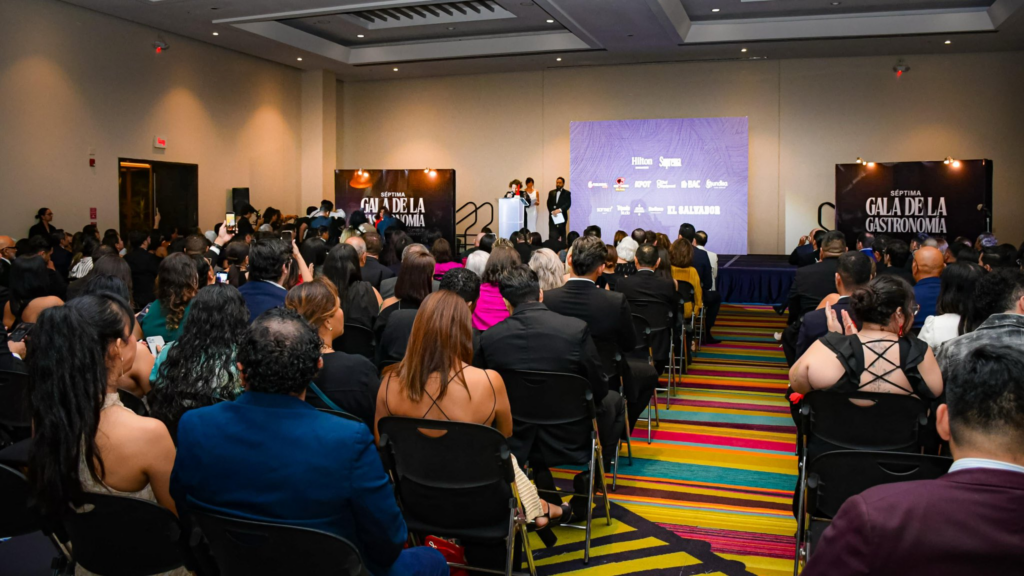
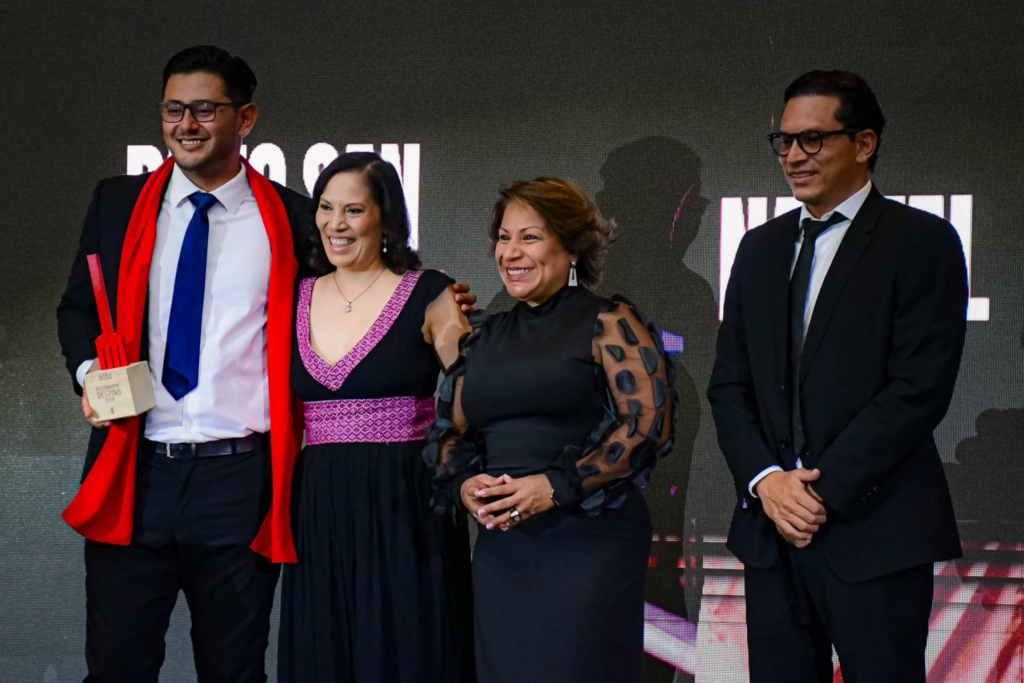
As part of the ceremony, the Gastronomy Committee presented the “Red Fork” statuette to the winners in various categories, including emerging chef, chef of the year, pastry chef, restaurant of the year, coffee shop, and emerging restaurant.
The Séptima Gala de la Gastronomía Red Fork highlighted the current importance of the food industry within salvadoran tourism, not only for its ability to generate employment and attract visitors, but also for consolidating the country’s culinary identity as one of its main attractions.
You can also read: