

 dinero_admin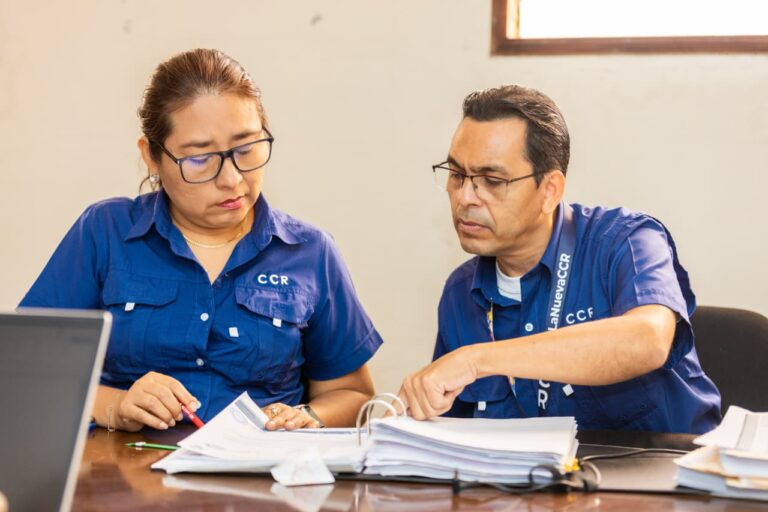
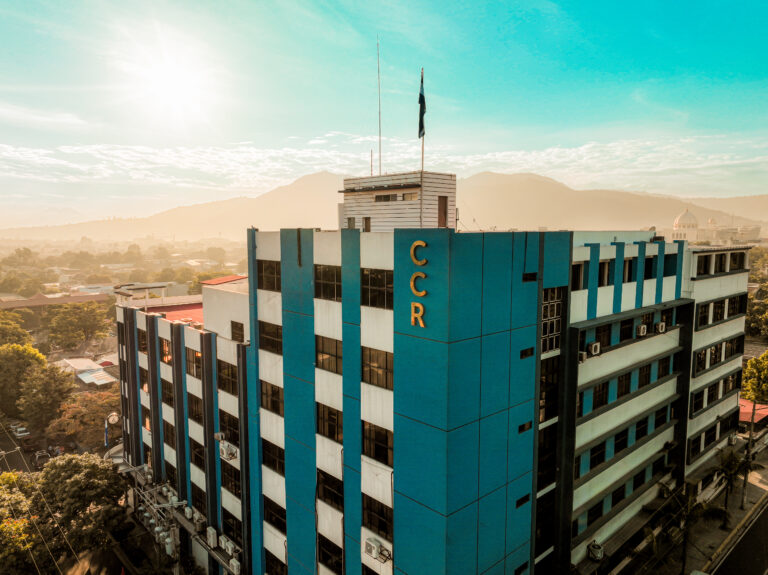
The Corte de Cuentas de la República (CCR) reported that it is making progress in reducing the backlog of pending audits by strengthening its oversight actions in municipalities and public entities. As part of this effort, the institution stated that it is already auditing fiscal year 2025, with the goal of conducting more timely controls and improving the efficiency of monitoring processes regarding the use of public resources.
According to the press release, this year the CCR has conducted 58 special examinations in municipalities corresponding to fiscal year 2025. Of these, 30 are underway, 25 are scheduled, and three have already been completed. Simultaneously, 185 control actions are being carried out in public entities and agencies subject to oversight, including financial audits and special examinations. Of these, 26 have already been completed, 62 are underway, and 97 have been scheduled.
The president of the Corte de Cuentas, Walter Sosa, stated that the institution is working to close the existing gap in audits and ensure they are carried out in a timely manner. He indicated that although the process is still ongoing, the results obtained so far represent significant progress in strengthening oversight.
The Corte de Cuentasexplained that auditing the 2025 fiscal year means having a more efficient and effective institution, capable of reviewing the management of public resources closer to their execution, which allows for strengthening control and oversight mechanisms.
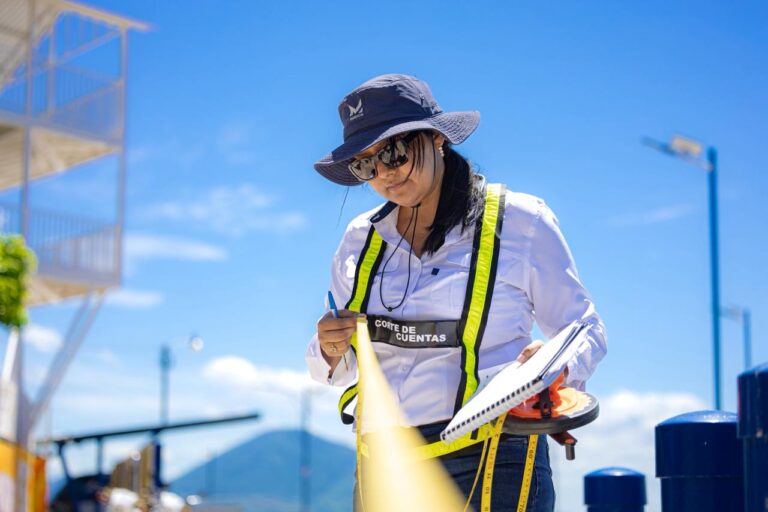
In addition to the audits for the 2025 fiscal year, the institution reported that it is also conducting 65 audits of municipalities related to previous fiscal years during 2026. Of these, 28 have already been completed, 35 are underway, and two remain scheduled.
Regarding public entities and agencies subject to audits for previous fiscal years, the Court reported 247 control actions, of which 78 correspond to financial audits and 169 to special examinations.
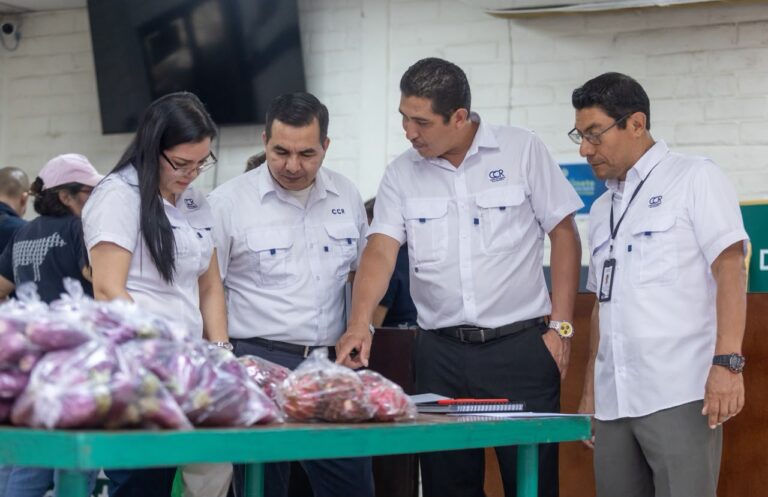
In total, the CCR indicated that it is currently conducting 555 audits of municipalities and public entities. According to the governing body, comprised of President Walter Sosa and magistrates Julio Bendek and Rodrigo Flores, these audits reflect the institution’s commitment to strengthening oversight and ensuring that the use of public resources is subject to appropriate supervision.
You can also read: