


 dinero_admin
A credit history is one of the main factors financial institutions consider when evaluating whether a person can access a loan, credit card, or any other type of financing. Although many people hear this term frequently, they don’t always understand its importance or how it influences their financial opportunities.
In simple terms, credit history is a record of a person’s behavior when using financial products, such as personal loans, mortgages, car loans, credit cards, and other payment obligations. This document reflects whether the user has made their payments on time or, conversely, has had late payments, defaults, or outstanding debts.

Having a good credit history builds trust with financial institutions, as it demonstrates that the client manages their financial obligations responsibly. This can translate into greater opportunities to obtain new loans, access higher loan amounts, receive better interest rates, and even expedite the approval of financing applications.
Conversely, a history of late payments or defaults can make it difficult to access credit. In some cases, institutions may reject an application or approve it under less favorable conditions, such as higher interest rates or shorter repayment terms, due to the increased risk the applicant represents.
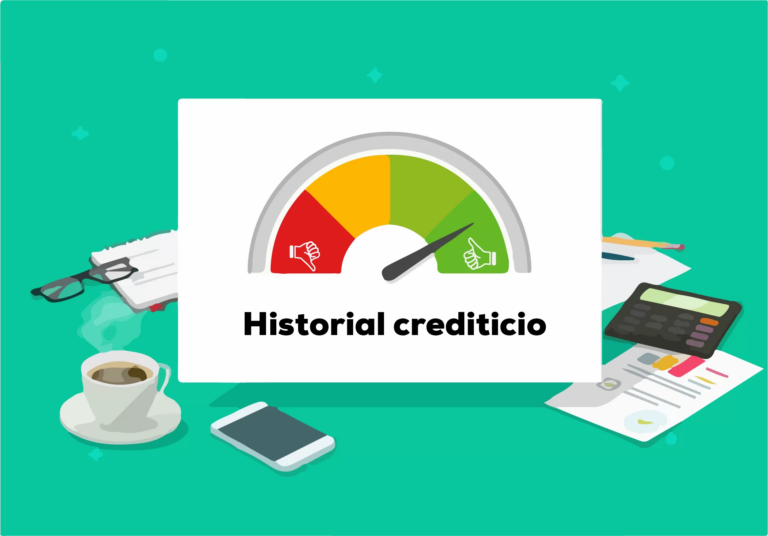
Financial education specialists recommend periodically reviewing your credit report to verify that the information is correct and to detect any errors that could affect your credit score. They also advise against taking on more debt than you can realistically repay and to use credit responsibly.
Among the main actions to maintain a healthy credit history are paying installments on time, avoiding late payments, paying the minimum or full balance on credit cards, not taking out unnecessary loans, and maintaining a debt level in line with your income.

Having a good credit history not only facilitates access to financing when needed but also serves as a tool to achieve goals such as buying a home, acquiring a vehicle, investing in a business, or dealing with unexpected expenses. Therefore, experts agree that maintaining a good credit history is a key practice for strengthening financial stability and opening doors to better opportunities in the future.
You can also read: