

 dinero_admin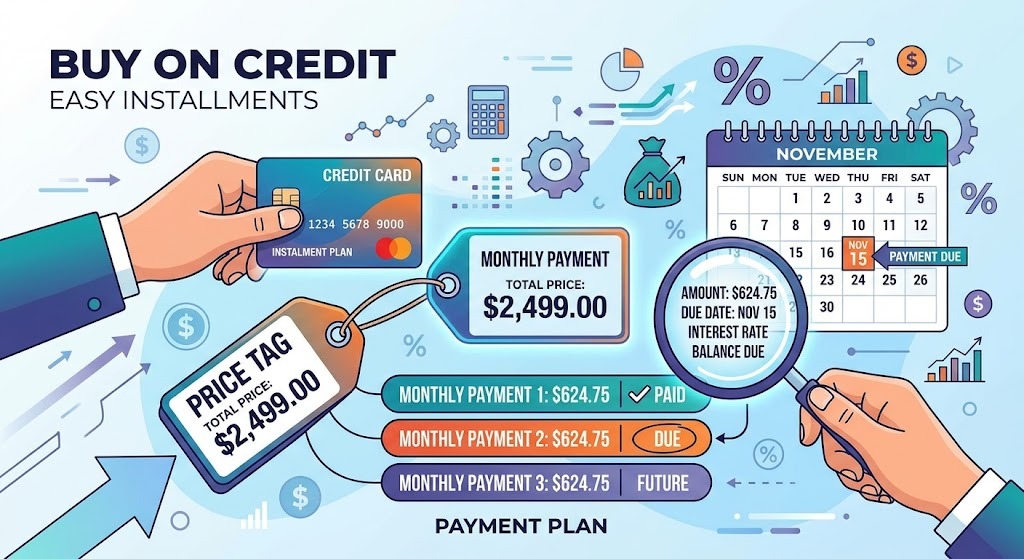
Breaking a purchase down into installments can make the monthly payment more manageable, but it does not mean the product is cheaper. What changes is the method and timeframe of payment. In El Salvador, when a purchase is financed via credit card, it is important to distinguish between an interest-free installment promotion and a transaction that accrues interest, as the final cost may differ.
The Superintendencia del Sistema Financiero (SSF) explains that with a zero-interest purchase, the total amount is divided into equal, interest-free installments over a set period. However, the merchant must disclose these terms, and they may vary depending on the financial institution’s policies. Additionally, the user must have sufficient available credit and ensure each installment is paid by the due date.
For example, if someone buys an item for US$600 and agrees to pay for it in 12 interest-free installments, each payment would be US$50; by the end of the term, they will have paid the original US$600. In this case, installments allow the cost to be spread out overtime but do not reduce the product’s original price. The benefit lies in the ease of payment, not in obtaining a discount.
The situation changes when the purchase is financed and accrues interest. The SSF states that credit card interest is calculated based on the outstanding principal balance. Therefore, if a person does not pay off the purchase in full and carries a financed balance, they will end up paying more than the original price due to the cost of financing.
It is also important not to confuse a low installment amount with cheap credit. An installment might seem manageable because the payment is spread over several months, but the longer the financing term with interest, the higher the total cost can become. The SSF itself offers a simulator that allows consumers to compare both the installment amounts and the total cost of the credit, enabling them to see exactly how much they will end up paying.
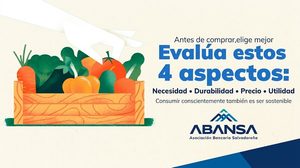
Before agreeing to an installment purchase, consumers should review four elements: the cash price, the number and amount of installments, the interest rate, and the total financing cost. They should also check for any associated fees or surcharges. In El Salvador, financial service providers may only charge interest, fees, and surcharges that have been agreed upon with the consumer and are in accordance with applicable regulations.
Another important point is the credit card’s minimum payment. The SSF notes that this amount may include financing interest, late-payment interest or surcharges, fees, and a portion of the principal. Therefore, looking only at the monthly payment amount can provide an incomplete picture of the purchase’s true cost.
In conclusion, splitting purchase into installments does not lower the price; it merely spreads out the payment. With a zero-interest promotion, provided all conditions are met, the consumer might end up paying the same total price over a set period. However, if interest applies, the final cost will be higher. The recommended financial approach before making a purchase is to compare the cash price with the total amount to be paid on credit and to consider whether the installment truly fits within the monthly budget.