

 dinero_admin
Linking a debit or credit card to an app can make purchasing goods and paying for services easier, as it eliminates the need to enter your details for every transaction. However, before linking a card, it is wise to review certain security aspects and the terms of service. The convenience of having a saved payment method also means that your financial data will be stored on or linked to the platform.
One of the first things to verify is that the app is legitimate and comes from an official source. Before entering card details, it is advisable to check the developer’s name, reviews from other users, and the permissions the app requests. You should also download the app from official app stores and avoid links sent via text messages, emails, or social media, as these could lead to fake sites designed to steal financial information.
Another important aspect is the data the app requests. While making a payment may require providing information such as your card number, expiration date, and security code, an app should not ask for information unrelated to the service it offers. If it requests banking passwords, access codes sent via SMS, or additional data that does not seem necessary to complete the transaction, it is best to stop the process and verify directly with the company or financial institution.
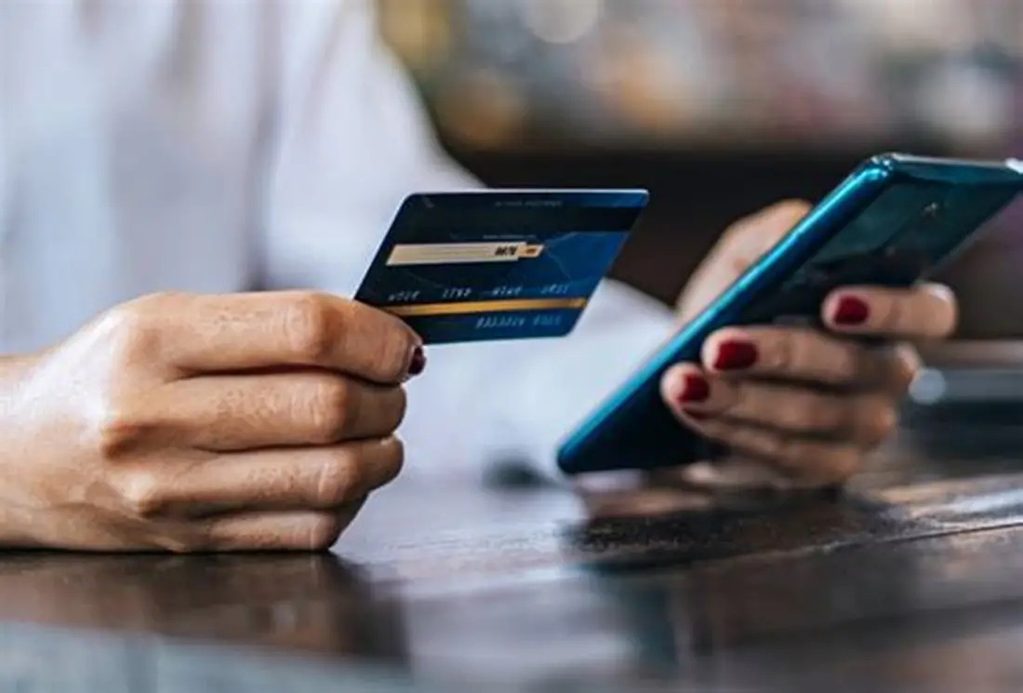
It is also important to read the terms regarding payments. Some apps allow you to save your card for future purchases, set it as your default payment method, or enable automatic charges for subscriptions. Before agreeing, the user should check for recurring charges, trial periods that convert into paid subscriptions, additional fees, or automatic renewal policies. A promotion might seem inexpensive at first but lead to later charges if these details are not reviewed.
Account security should also be part of your review. It is advisable to use a unique password and enable two-factor authentication whenever the app allows it. Additionally, if your phone supports locking via PIN, password, fingerprint, or facial recognition, keeping this feature active adds an extra layer of security. This is especially important when the app allows purchases to be made directly using a previously stored card.
Before confirming a purchase, it is also wise to carefully review the merchant, the transaction amount, and the currency. On some platforms, the initially displayed price may change once taxes, service fees, shipping costs, or currency conversion rates are added. Checking the total before authorizing payment allows you to spot discrepancies and avoid charges that were not part of your budget.
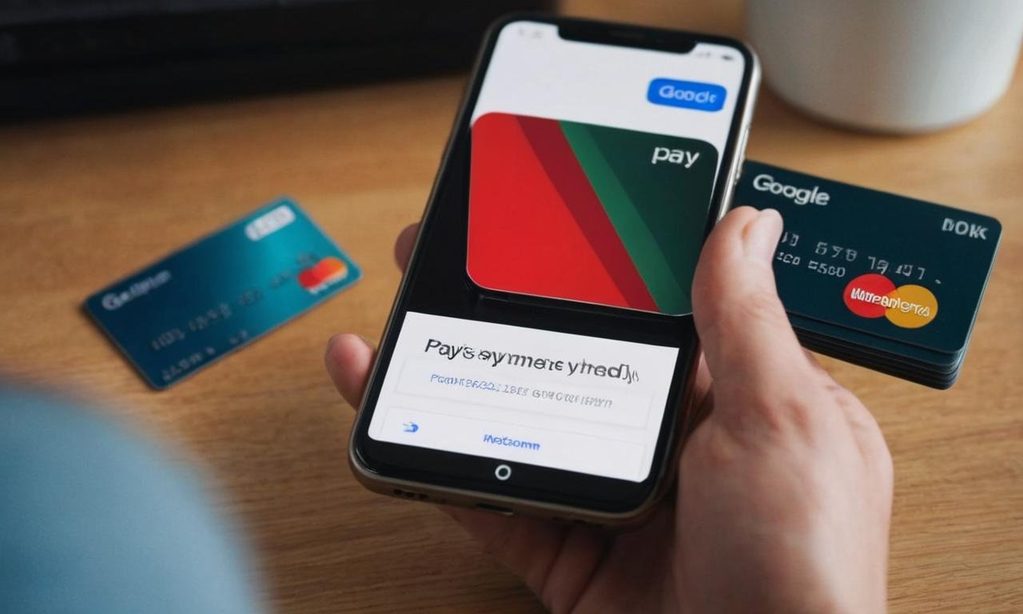
After linking your card, it is advisable to monitor account activity or check transaction notifications. If your bank offers purchase alerts, enabling them can help you quickly identify transactions you do not recognize. If you encounter an unknown charge, the best course of action is to contact the financial institution directly through official channels and determine whether to temporarily block the card or initiate a dispute process.
Ultimately, linking a card to an app need not be a problem, provided basic precautions are taken. It is recommended to verify the platform’s legitimacy, understand what information is being shared, review billing terms, secure your account, and monitor subsequent activity. Taking a few minutes to review details before clicking “save card” or “confirm payment” can help prevent unexpected charges and safeguard your financial information.
You may also want to read: