dinero_admin
Reference fuel prices in El Salvador will increase starting tuesday, august 4th. Premium and regular gasoline will increase by US$0.17 per gallon, while diesel will rise by US$0.15 per gallon, according to the la Dirección General de Energía, Hidrocarburos y Minas (DGEHM).
The new prices will be in effect from august 4th to 17th, 2026, and will apply throughout the country. In the central region, premium gasoline will increase to US$4.91 per gallon, regular gasoline to US$4.58, and diesel to US$4.59. In the western and eastern regions, premium gasoline will cost US$4.92, while regular gasoline and diesel will be priced at US$4.59 per gallon.
The DGEHM explained that this adjustment is due to a series of international factors that have put upward pressure on the prices of oil and its derivatives in the global market.
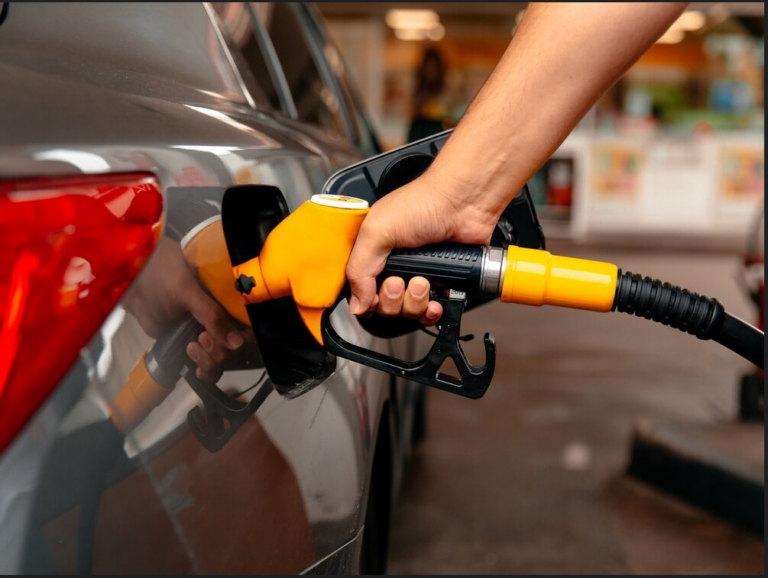
Among the main causes are the attacks on oil tankers perpetrated by the Houthis in the Bab el-Mandeb Strait in the Red Sea, a strategic route for international hydrocarbon trade. This situation has generated uncertainty in supply and an increase in crude oil prices.
Likewise, the institution noted that the attacks on the Jazan refinery in Saudi Arabia have caused instability in international hydrocarbon markets, directly impacting price behavior.
Added to this is a sharp decrease in US oil reserves, a factor that has also driven up the price of oil and its derivatives in international markets. According to the DGEHM the published reference prices already include legally mandated taxes, as well as the Servicio Público del Transporte Colectivo de Pasajeros (COTRANS) and Fondo de Estabilización del Fomento Económico (FEFE).
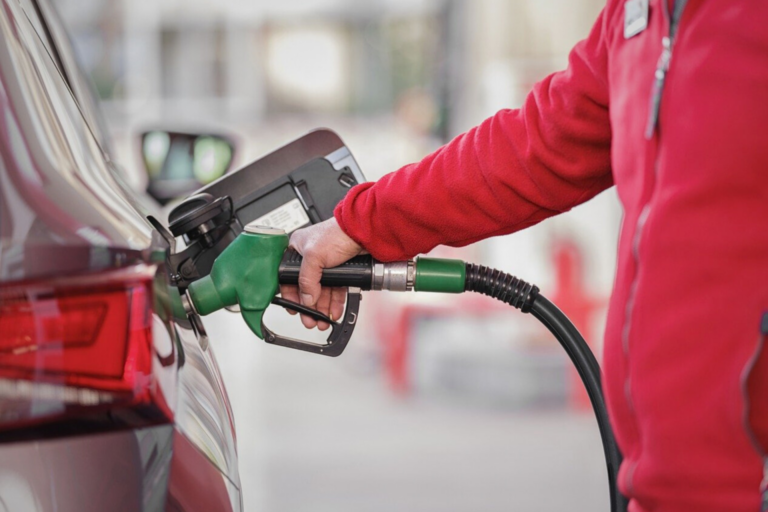
The institution also reported that it maintains ongoing inspections at service stations to verify that the exact amount of fuel is dispensed and that it meets the established technical quality specifications.
In addition, inspectors constantly monitor the market for petroleum products. If violations of regulations are detected, companies may be sanctioned according to the law, with the aim of protecting consumers and ensuring they receive adequate service when refueling their vehicles.
You can also read: