

 dinero_admin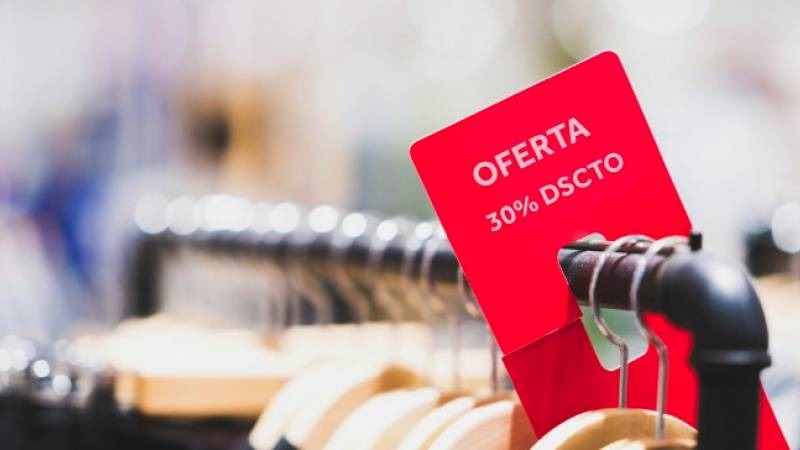
“Buy 3, pay for 2” deals are becoming increasingly common in supermarkets, pharmacies, and department stores. While they may seem like an excellent opportunity to save, personal finance experts point out that the real benefit depends on each consumer’s needs and how they plan their shopping.
These types of offers reduce the price per unit. If a product costs US$5 and the promotion allows you to buy three for the price of two, the customer gets an effective discount of approximately 33%. This can represent significant savings when it comes to frequently used items.
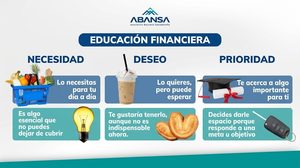
However, the savings are only real if the products will actually be used. Many people end up buying more than they need simply because the offer seems attractive, leading to higher spending than they originally planned.
Experts recommend considering whether the product is part of the household’s regular consumption. Items like toilet paper, detergent, soap, toothpaste, or non-perishable foods are usually good options to take advantage of these promotions because they are used constantly and can be stored for longer periods.
Conversely, when the offer applies to products that are consumed occasionally or that have a near expiration date, there is a risk that part of the purchase will end up going to waste. In those cases, the money spent doesn’t generate any real savings.
Another important aspect is comparing prices. Some promotions may seem attractive, but other brands or product presentations could offer a lower cost per unit without requiring large purchases. Checking the price per pound, litter, or unit helps in making a more informed decision.
It is also advisable to consider the impact on the budget. If a person planned to spend US$10 and ended up spending US$20 to take advantage of a sale, even if the unit price is lower, the total expense increases and could affect other financial needs for the month.
In conclusion, “buy 3, pay for 2” promotions can be a useful tool for saving money when applied to necessary products that were already included in your budget. The key is to shop with a plan and not be swayed solely by the feeling of getting a good deal.
You can also read: