

 dinero_admin
Buying bundles and promotions may seem like an easy way to save money, but their true value depends on how they’re used. In an economic climate where households are looking to make every dollar count, these marketing strategies have become increasingly common in supermarkets, restaurants, and online platforms.
From an economic standpoint, bundles operate on a volume-based model: the consumer purchases more products at a seemingly lower price per unit. This can represent real savings when it comes to frequently purchased goods, such as staple foods or hygiene products. For example, buying a family-size package of rice, oil, or toilet paper typically reduces the cost per unit compared to individual purchases.
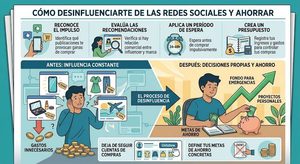
However, the savings aren’t always automatic. Personal finance experts warn that many promotions are designed to encourage higher overall spending. In other words, even though the unit price goes down, consumers end up spending more money than they had planned. This phenomenon is known as “induced spending” and is one of the main strategies retailers use to boost sales.

Another key aspect is actual consumption. If the products included in a bundle are unnecessary or won’t be consumed in the short term, the supposed savings are lost. This often happens with perishable foods or “buy 3, pay for 2” promotions, where the excess may end up being wasted.
In the case of restaurants or fast-food chains, meal deals often include drinks or sides that increase the total cost of purchase. Although the deal may seem cheaper than buying each item separately, consumers should consider whether they want all the items included. Otherwise, they would be paying for something they don’t need.
At the macroeconomic level, these strategies also serve an important function: they stimulate consumption. Promotions boost demand, help move inventory, and allow companies to maintain their sales levels, especially during periods of economic slowdown.

For consumers, the key is to make informed decisions. Comparing prices per unit, checking expiration dates, assessing actual needs, and avoiding impulse purchases are essential practices for truly taking advantage of promotions.
In conclusion, bundles and deals can be worthwhile, but not in every case. They are a useful tool for saving money when they align with the consumer’s needs, but they can become an unnecessary expense if purchased without planning. The difference between saving and overspending lies in how purchasing decisions are largely made.
You may also like: