dinero_admin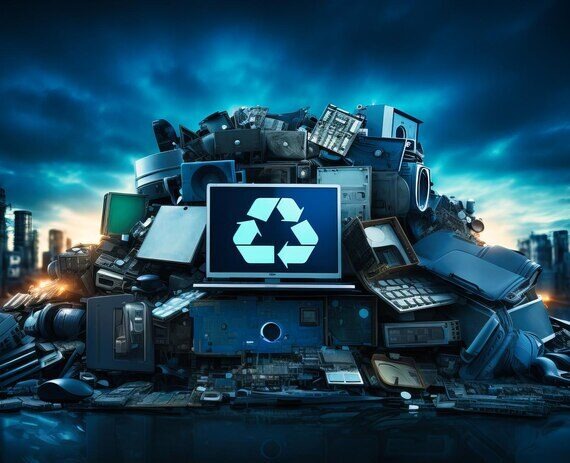
Mobile phones, computers, televisions, refrigerators, microwaves, and other electrical appliances are part of daily life; however, when they stop working or are replaced, they become waste that requires handling different from ordinary trash. In El Salvador, these materials are known as Residuos de Aparatos Eléctricos y Electrónicos (RAEE) and their management is part of efforts related to the circular economy.
What is electronic waste?
According to the Ministerio de Medio Ambiente y Recursos Naturales (MARN), RAEE consists of electrical and electronic devices that are damaged, discarded, obsolete, or no longer in use. This category ranges from mobile phones, computers, and printers to televisions, household appliances, air conditioning units, and other devices.
Their environmental significance lies in the fact that these devices contain materials that can be recovered, as well as potentially hazardous components. These include metals and substances such as lead, mercury, cadmium, and other elements that can cause environmental harm if the devices are disassembled or disposed of improperly.
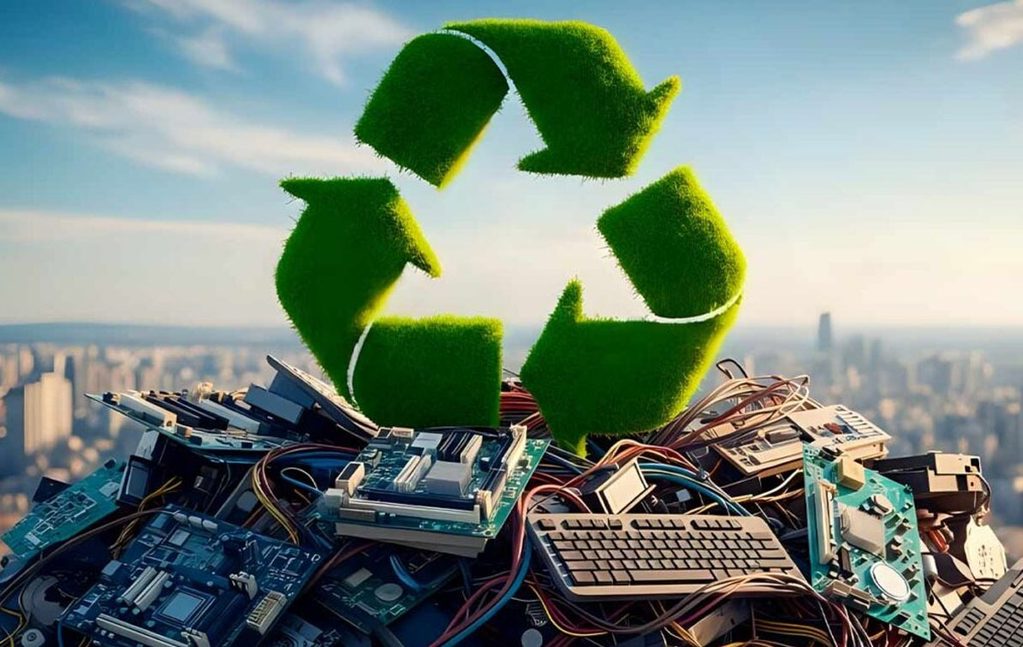
What should be done when a device no longer works?
MARN notes that those who generate RAEE are responsible for separating this waste from ordinary solid waste and ensuring its environmentally sound disposal. Therefore, a mobile phone, computer, or appliance that is no longer in use should not simply be mixed with household trash.
The recommendation is to identify drop-off points, collection drives, or authorized handlers to whom these devices can be handed over. The national RAEE program includes drop-off points provided by importers, retailers, and waste managers, as well as collection events and mechanisms for identifying authorized handlers.
From waste to resource
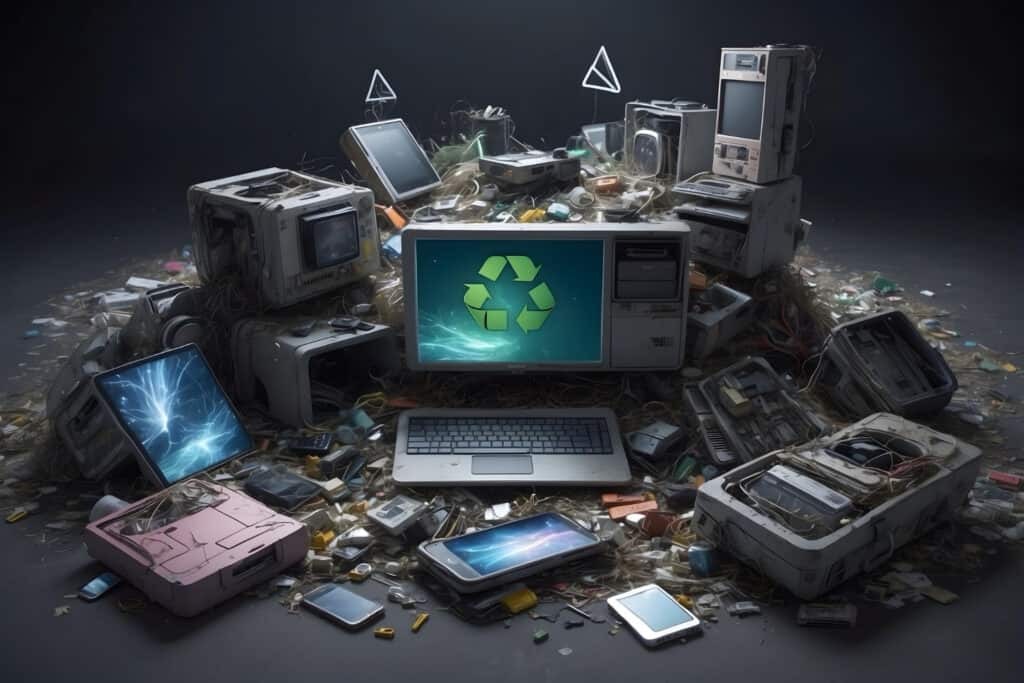
Proper management also allows for the recovery of materials that still hold value. The process may include receipt and storage, sorting, dismantling, component separation, shredding of valuable materials, and external recovery. In this way, certain resources can be reintroduced into production processes instead of ending up in improper disposal sites.
This practice aligns directly with the circular economy, as it seeks to reduce waste and keep materials in use for as long as possible. In El Salvador, the Law on Integrated Waste Management and Recycling Promotion establishes the recovery and the sanitary and environmentally safe final disposal of waste as key objectives, thereby promoting a circular economy approach.
You may also want to read: