

 dinero_admin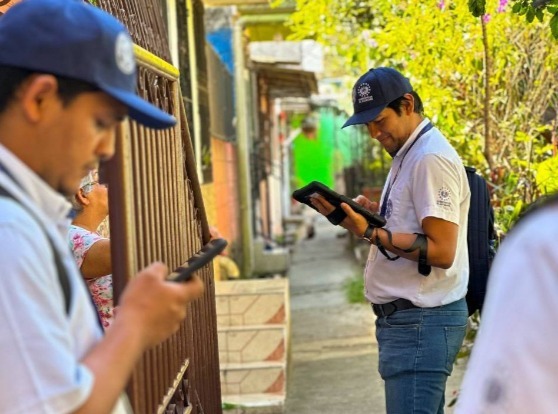
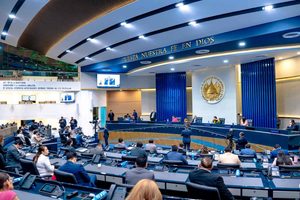
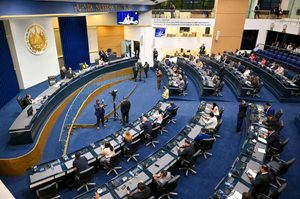
El Salvador’s new Economic Census will include information on the informal economy and will utilize digital technologies throughout the data collection and processing process, as part of the Economic Statistics Strengthening Program, which aims to update the country’s economic data. To carry out this initiative, the Finance Committee issued a favorable opinion for the Ministry of Finance to take out a loan of up to US$50 million from the Inter-American Development Bank (IDB).
The project aims to provide more up-to-date, reliable, and accessible economic information to support decision-making and public policy formulation. The results of the new census are to be presented no later than the third quarter of 2027, according to Delia Reyes, deputy director of Investment and Public Credit at the Ministry of Finance.
One of the main changes will be the inclusion of data related to the informal economy, a sector that contributes to the country’s employment and economic activity. The inclusion of this information will expand the scope of the census and provide data on productive activities that are not necessarily part of the formal economy’s records.
The program also calls for the digitization of the various stages of the census process. This includes the use of technologies for the collection, management, analysis, and dissemination of data, with the aim of modernizing statistical systems and facilitating the handling of information obtained during the survey.
In addition to digital tools, the project includes technical support solutions and the strengthening of the cybersecurity infrastructure used in census activities. The goal is to ensure that adequate systems are in place to manage the statistical information generated during the process.
The Banco Central de Reserva (BCR) will be responsible for implementing the project, as it oversees the National Statistical System. The institution will also receive support to continuously strengthen its methodological and technical capabilities for producing statistics through censuses and surveys.
The new census will update data originally collected in the 2005 Economic Census. The initiative will build on recent census work conducted by the BCR, such as the 2024 Population and Housing Census and the 2025 Agricultural Census but will now focus on providing a more up-to-date understanding of the country’s economic structure and activity.
The program, financed by the proposed loan, includes three components: improving the quality, timeliness, reliability, and accessibility of statistics; strengthening the BCR’s technical and methodological capabilities; and funding the administration, evaluation, and audit of the project, including consulting services. Through these actions, the government aims to obtain up-to-date economic information with broader coverage, including the informal sector, via a census process supported by digital tools.
You may also read: