

 dinero_admin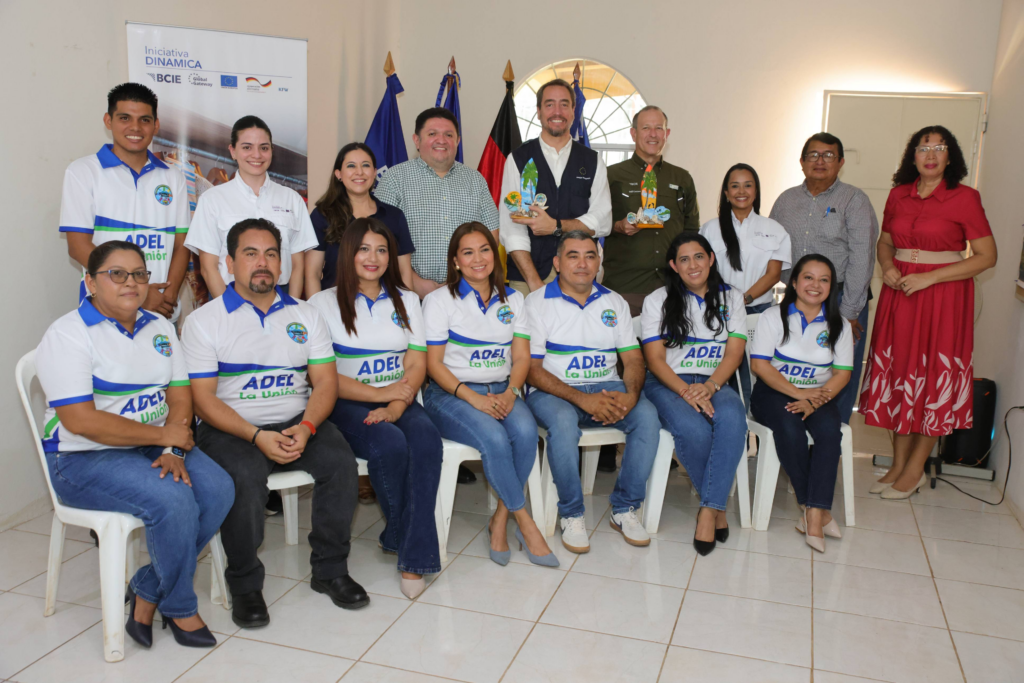
With an investment of US$194,650.00, the DINAMICA II Initiative, promoted by the Central American Bank for Economic Integration (CABEI), the Government of Germany through KfW, and the European Union, fostered processes of modernization, sustainability, and the strengthening of business competitiveness in eastern El Salvador, directly benefiting micro and small business owners.
In this context, the Asociación Agencia de Desarrollo Económico Local de La Unión (ADEL La Unión) presented the results of two non-reimbursable technical assistance projects aimed at improving the capabilities of both its technical team and entrepreneurs in the department. These initiatives focused on developing practical tools to optimize production processes, strengthen business management, and foster more sustainable business models.
One of the main areas of focus was the circular economy. Through this approach, ADEL La Unión’s technical team received specialized training, which was then passed on to 51 micro and small enterprises (MSEs) through training and mentoring programs. As a result, eight implementation plans were developed aimed at improving resource use, reducing waste, and increasing operational efficiency.
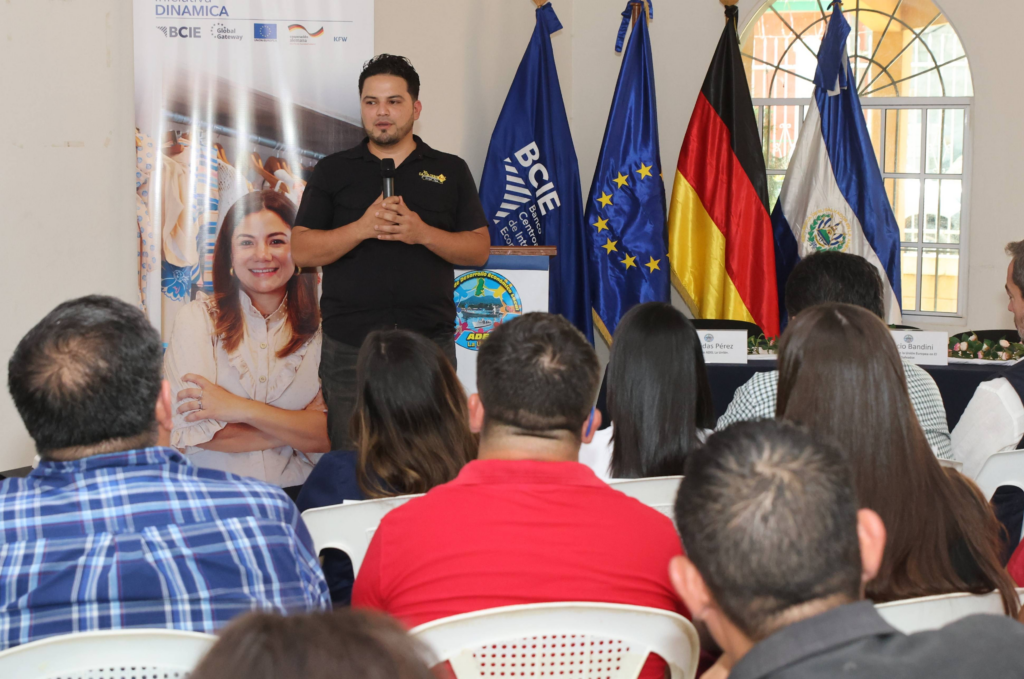
Beneficiary business owners highlighted the positive impact of these initiatives. Juan Miguel Ayala, owner of the company El Callejero, noted that adopting circular economy practices has allowed them to identify opportunities to optimize resources and operate more sustainably, which translates into greater efficiency in their production activities.
In addition, specialized technical assistance was provided to 10 business owners through a comprehensive process that included business model analysis, implementation of management systems, consulting on product diversification, and the development of marketing strategies. Support was also offered for internationalization efforts and business coaching sessions for the owners, as well as technical training for their staff.
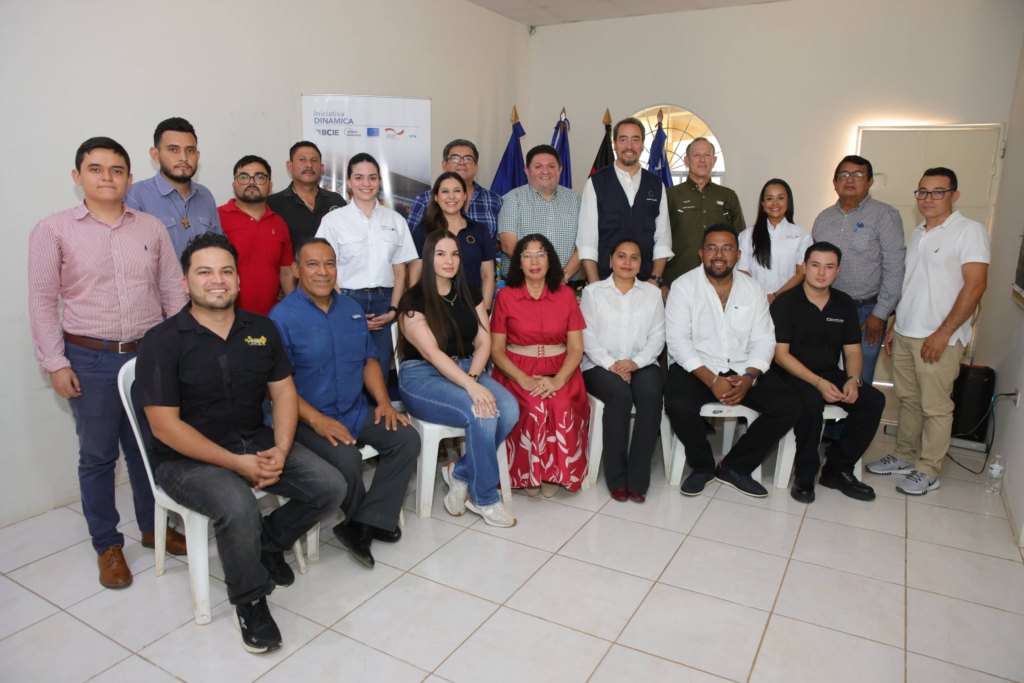
The beneficiary companies, from municipalities such as Meanguera del Golfo, Conchagua, Pasaquina, El Carmen, Santa Rosa de Lima, Intipucá, Anamorós, San Alejo, and Polorós, were able to improve their administrative, productive, and technological capabilities. These advances contributed to the creation of 84 jobs in the region, reflecting a direct impact on the revitalization of the local economy.
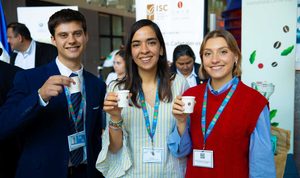
As part of the conclusion of these initiatives, a business exhibition was held in which various MSMEs showcased the results they had achieved. At the event, participants demonstrated improvements in their internal processes, business strategies, organizational structure, and expansion of their product offerings, as well as progress in the quality of their services.
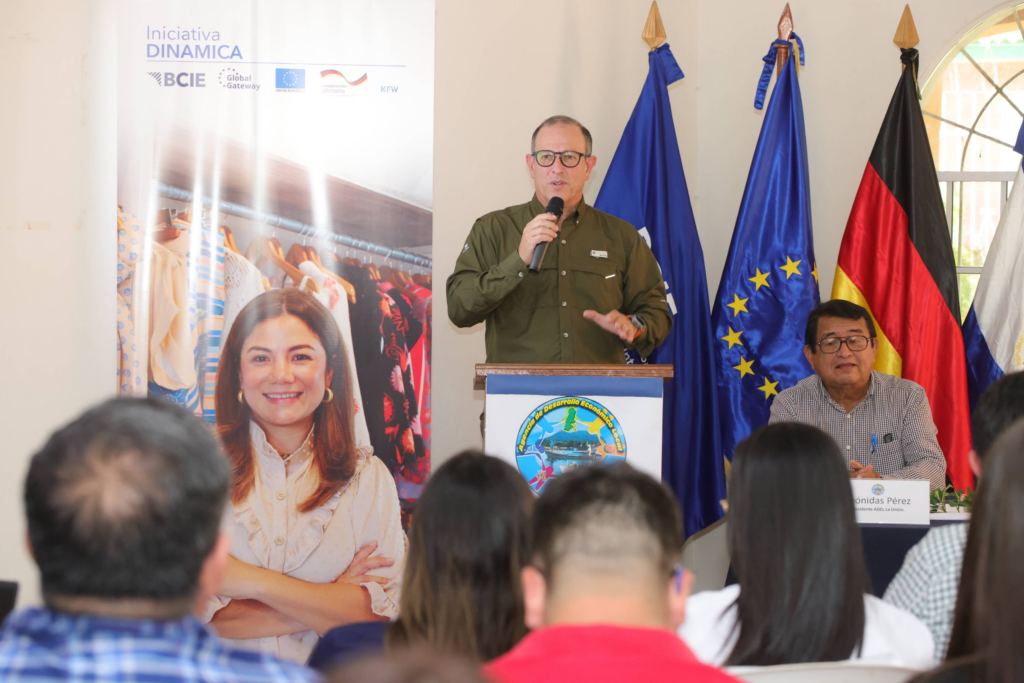
These initiatives are part of a joint effort between international organizations and local stakeholders to strengthen El Salvador’s business ecosystem. The collaboration between CABEI, the European Union, and KfW aims to promote more sustainable, inclusive, and resilient business models, particularly in areas with high productive potential such as the eastern part of the country.
These types of initiatives reinforce a commitment to regional economic development, focused on providing businesses with concrete tools to improve their competitiveness and adapt to new market dynamics.
You may also be interested in: