

 dinero_admin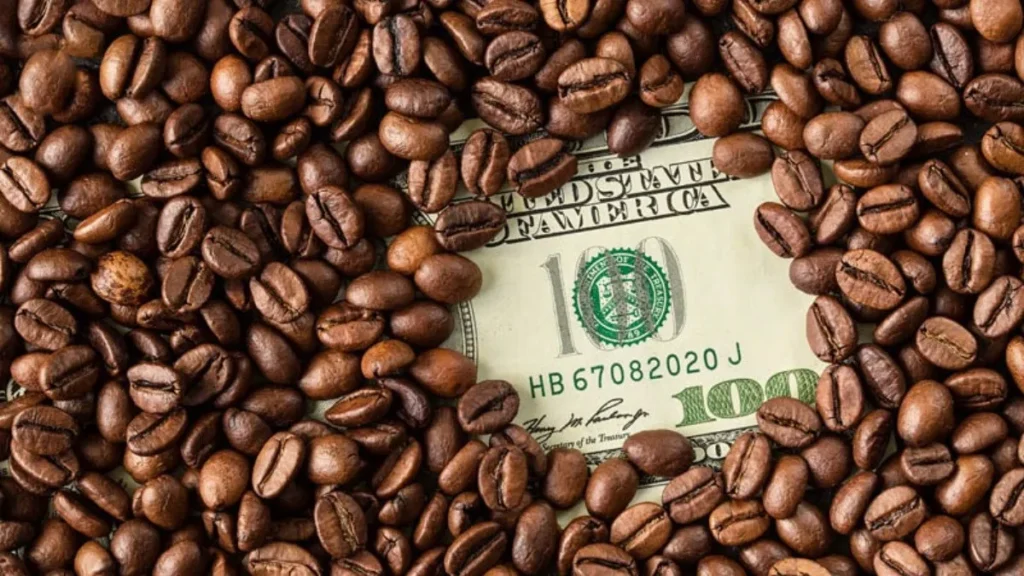
Salvadoran coffee exports saw revenue growth of nearly 40% during the first six months of the 2025–2026 cycle, reflecting a significant recovery in the coffee sector and improved performance in international markets.
According to data from the Instituto Salvadoreño del Café (ISC), between october 2025 and march 2026, the country generated more than US$92.37 million in foreign sales, far exceeding the US$65.99 million recorded during the same period of the previous cycle. This increase represents a rise of more than US$26 million.
This growth is reflected not only in the value of exports but also in their volume. During this period, 282,429 quintals of green coffee were exported, representing a 14.43% increase compared to the 246,814 quintals exported during the 2024–2025 cycle.

In terms of revenue, green coffee remains the leading export product, generating over US$88.78 million. It is followed by instant coffee, at US$2.45 million, and roasted coffee, at US$1.13 million, which demonstrates the sector’s diversification, although traditional green coffee still dominates.
North America remains the main market, accounting for 69% of the volume exported. Europe accounts for 18.2% and Asia for 3.2%, consolidating a diversified presence in international markets.
The sector’s positive performance is also linked to increased production. The 2025–2026 harvest reached 898,363 quintals of green coffee through march, surpassing the 827,217 quintals recorded during the same period the previous year, reflecting an improvement in production activity.
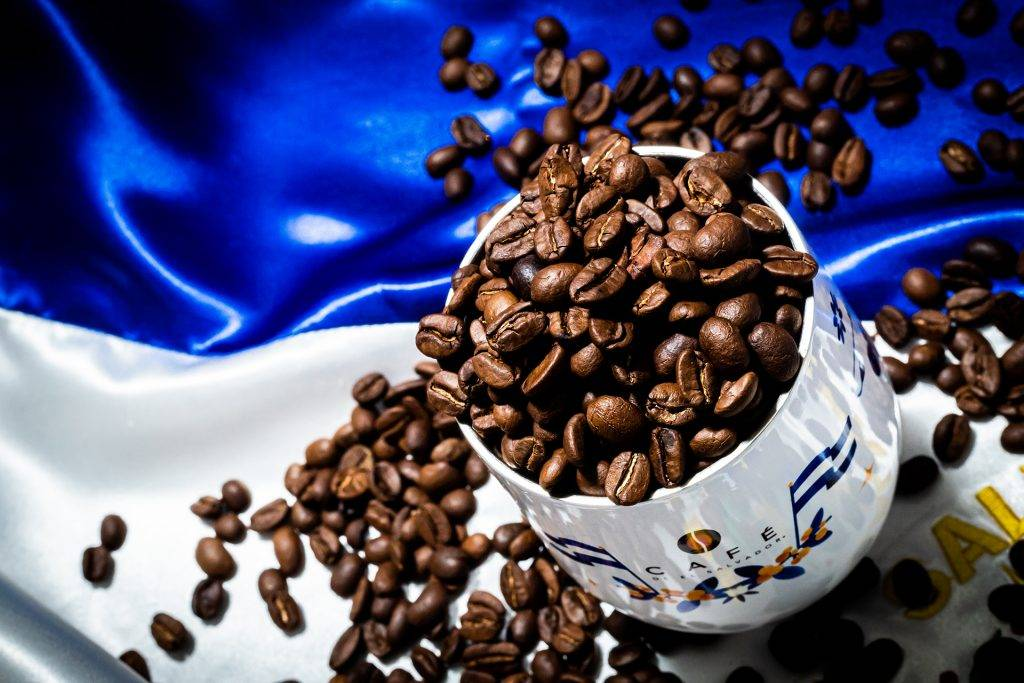
This rebound comes after years of difficulties for the salvadoran coffee industry, which was affected by factors such as coffee rust and adverse weather conditions, reducing production to historic lows since the 2013-2014 cycle.
Despite these challenges, coffee remains the country’s leading agricultural export and retains its historical significance, as in past decades it accounted for up to 90% of national exports.
The current growth in exports suggests a gradual recovery in the sector, driven by both increased production and favorable conditions in international markets, which bodes well for the remainder of the coffee cycle.
You may also be interested in: