

 dinero_admin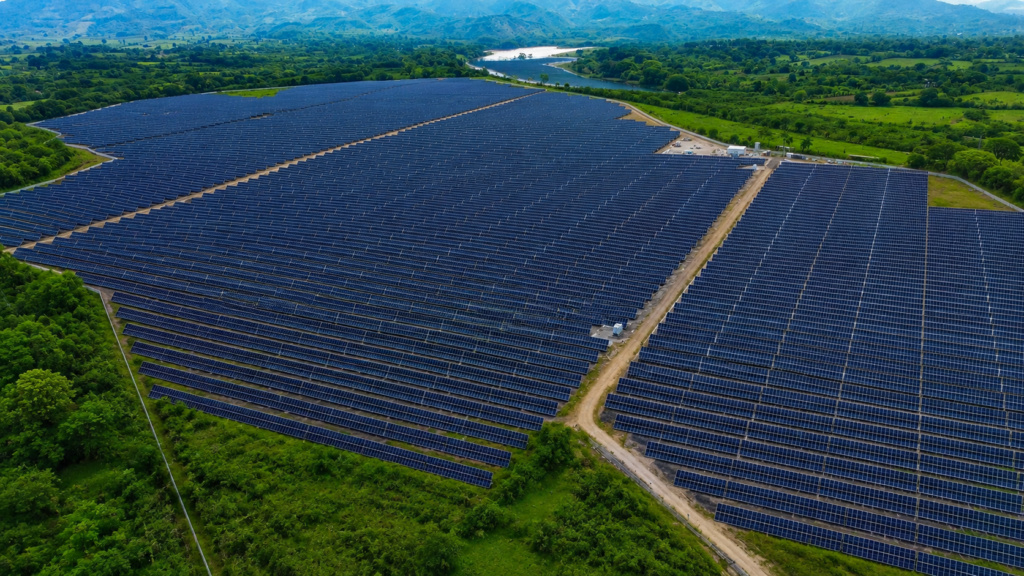
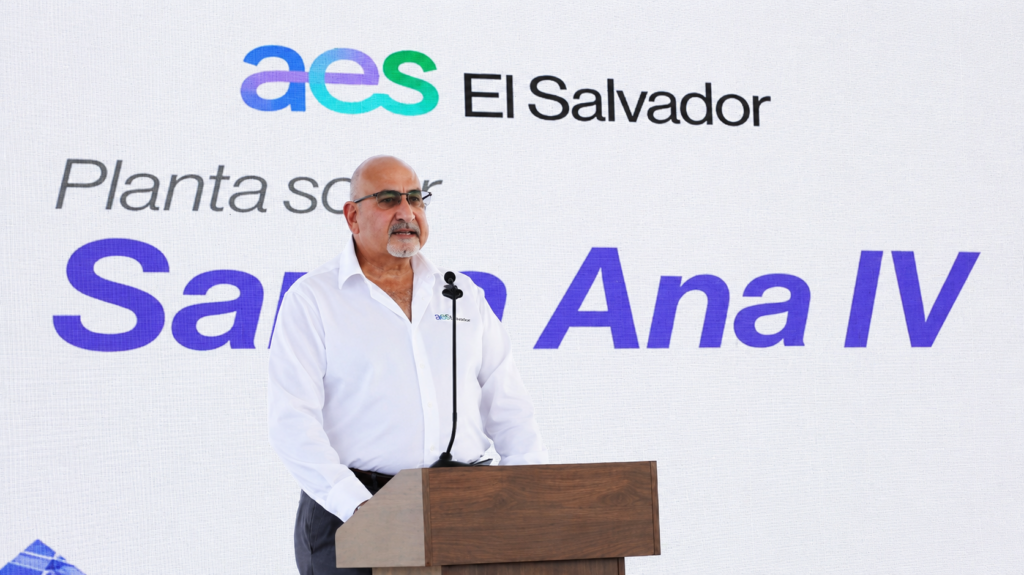
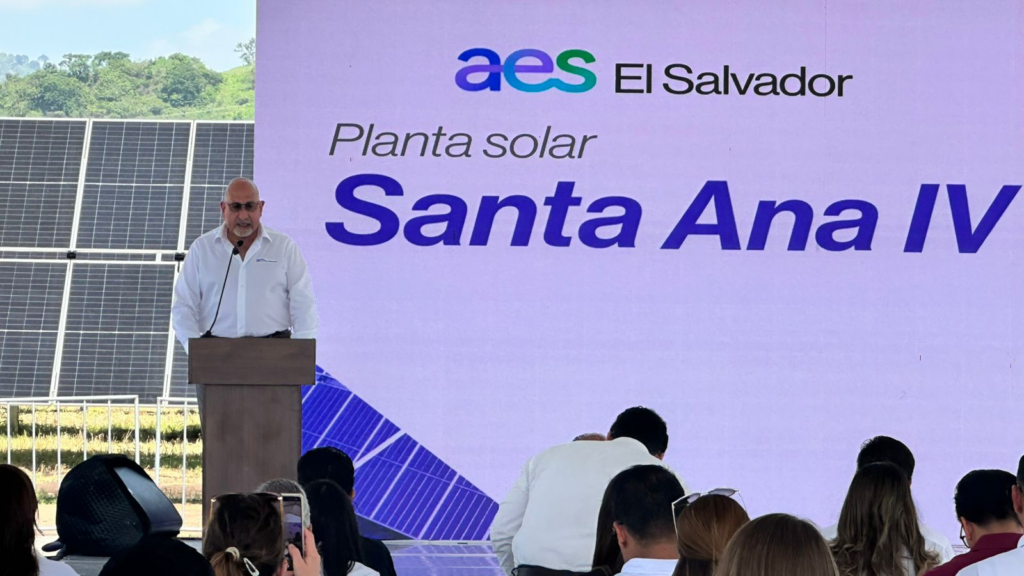
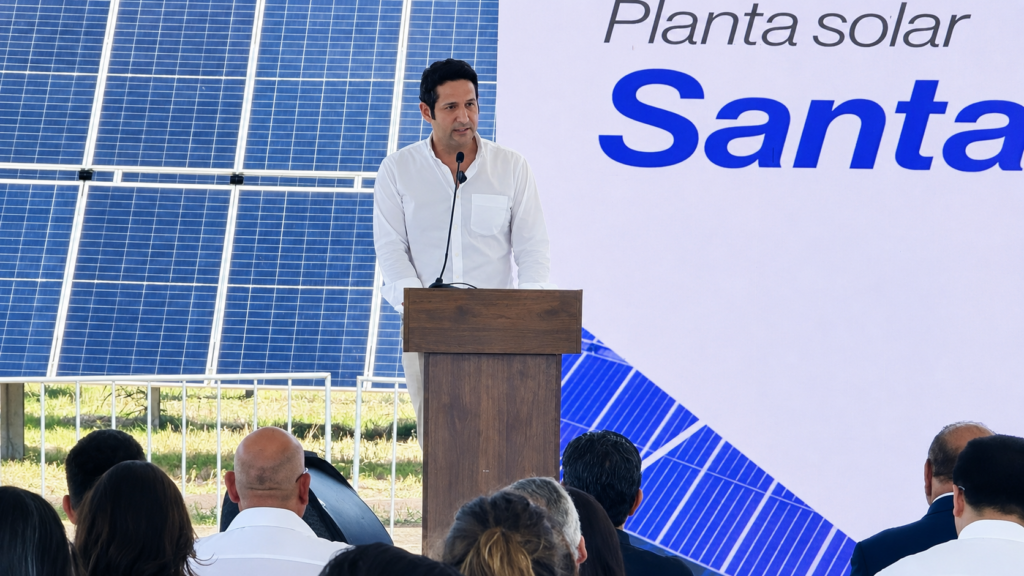
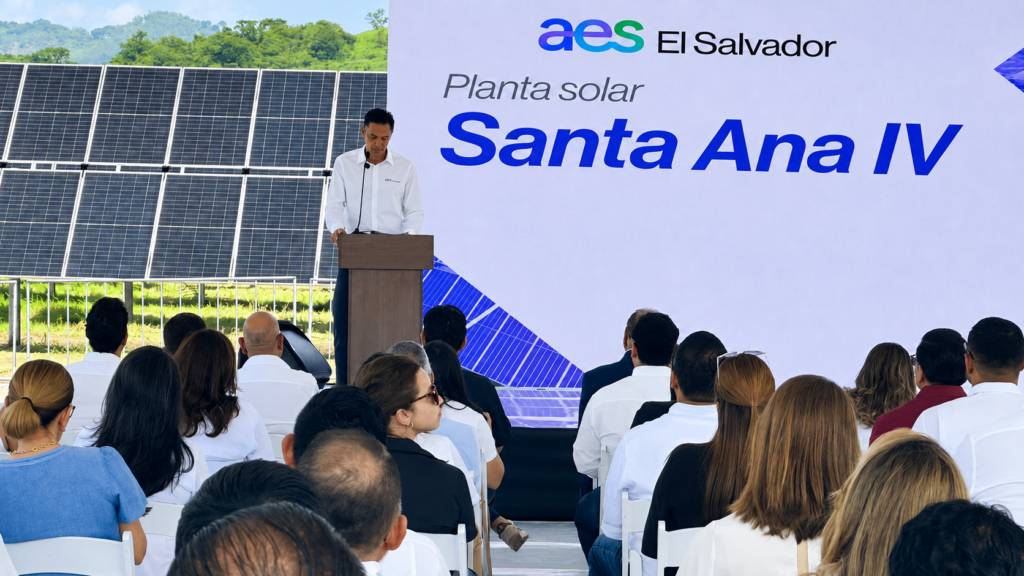
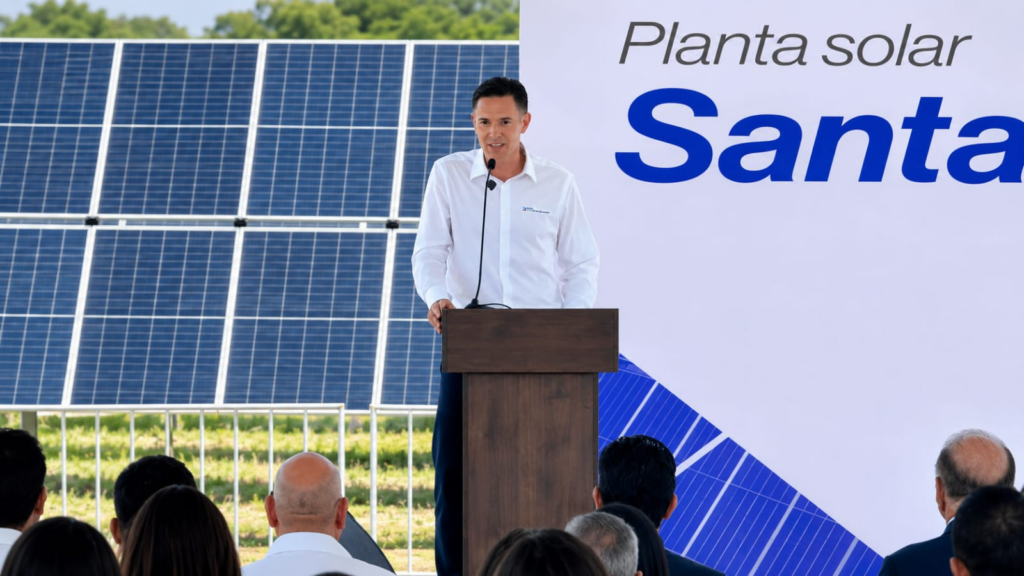
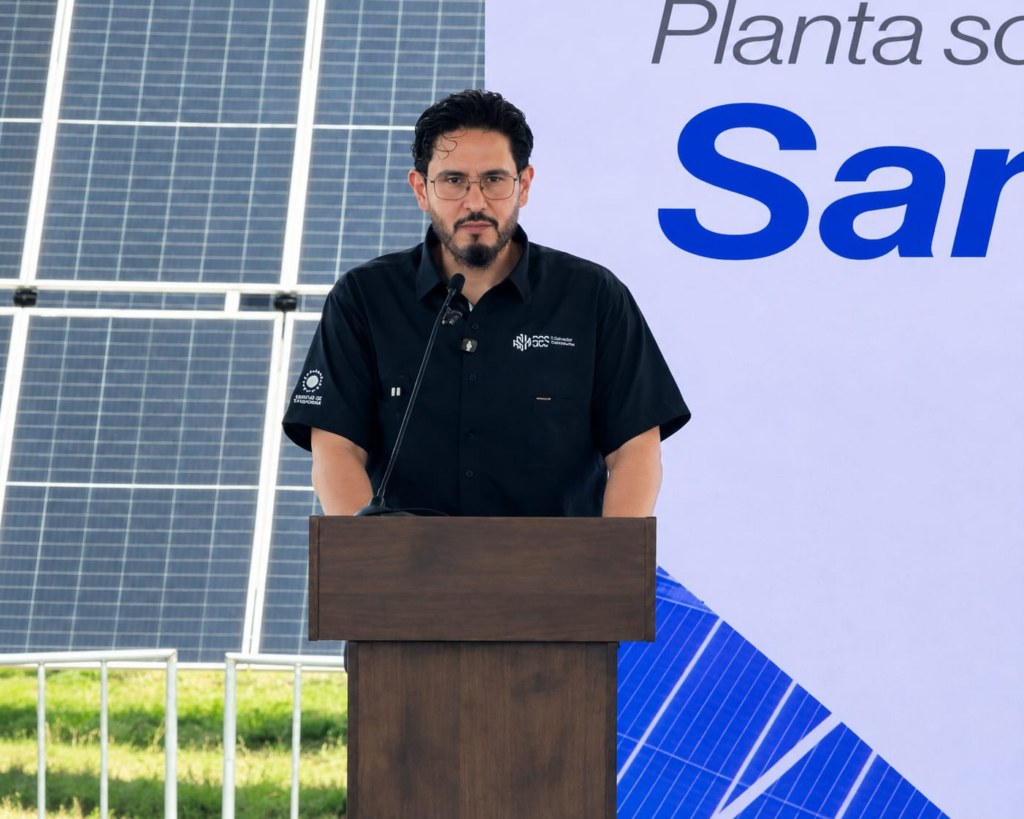
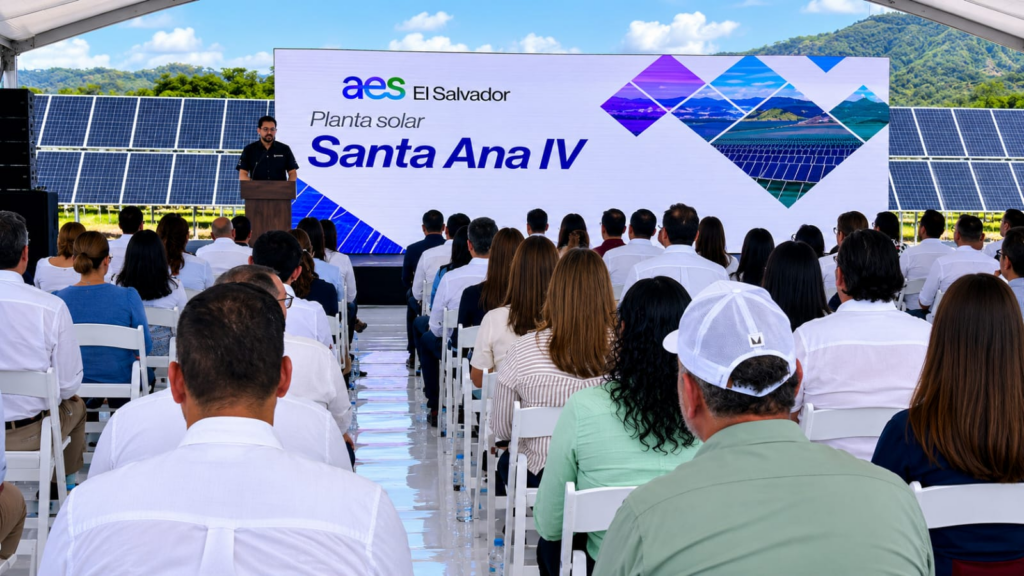
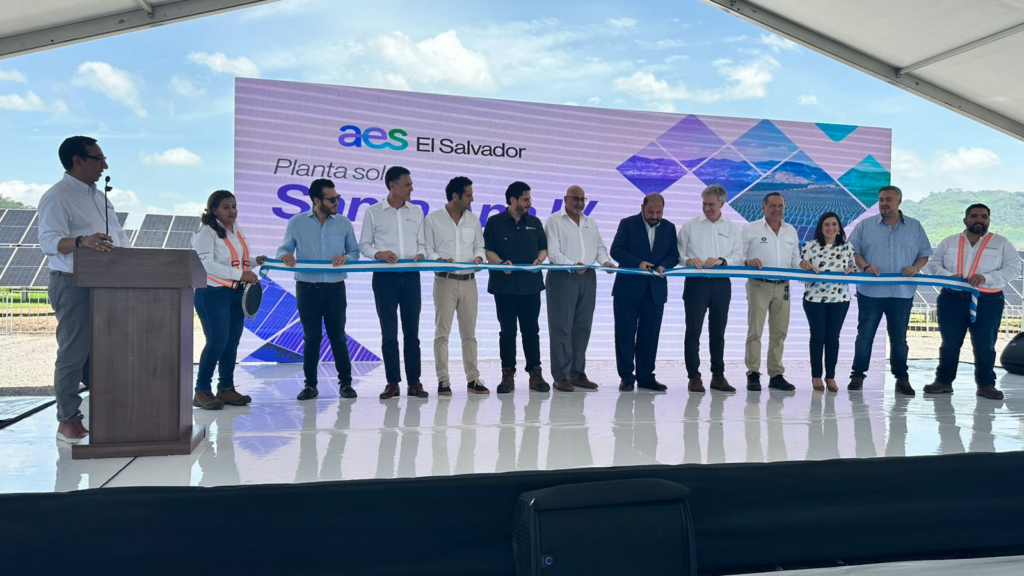
With an investment exceeding US$60 million, AES El Salvador and its strategic partner ECORAY officially inaugurated the Santa Ana IV solar plant, a 55-megawatt (MW) photovoltaic project that has become the largest solar plant operated by the company in El Salvador.
Located in the department of Santa Ana, the plant features 124,432 bifacial solar panels of 585 watts each, installed across 148 hectares. It incorporates state-of-the-art technology that allows for the capture of solar radiation on both sides of the modules and solar tracking systems that optimize energy generation.
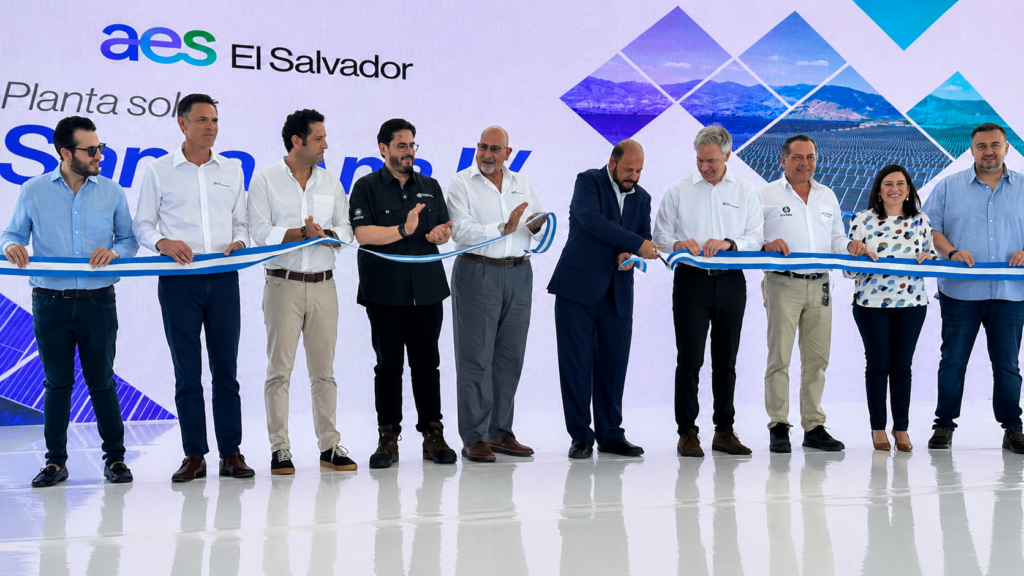
During the inauguration ceremony, representatives from AES and ECORAY highlighted that the new infrastructure has the capacity to generate enough energy to supply approximately 110,000 Salvadoran homes, based on the country’s average residential consumption.
The energy produced by Santa Ana IV will be fed directly into the national transmission grid, strengthening the electricity supply in the western region and contributing to the stability of the national energy system.
In addition to expanding the country’s renewable generation capacity, the project will have a significant environmental impact. According to AES El Salvador, it will prevent the emission of approximately 119,000 tons of carbon dioxide (CO₂) each year, supporting national efforts to reduce greenhouse gases.
With the addition of Santa Ana IV, AES reaches an installed solar capacity of 186 megawatts in El Salvador, equivalent to about 25% of the country’s total solar generation. The company noted that its photovoltaic projects collectively prevent the emission of approximately 330,000 tons of CO₂ annually, a reduction comparable to taking more than 70,000 combustion engine vehicles off the road.
The inauguration also marks a new chapter in the energy transition driven by AES since 2011, when it commissioned the AES Nejapa Gas biogas plant. Later, it developed projects such as AES Moncagua, the Bósforo solar complex, and AES Meanguera del Golfo, a pioneer in combining solar energy with battery storage.
With a cumulative investment of nearly US$270 million in solar projects and around US$300 million allocated in recent years to generation, distribution, and modernization of the electricity grid, AES reaffirms its commitment to strengthening the national energy infrastructure and accelerating the transition to cleaner and more sustainable energy sources.
You can also read: