

 dinero_admin
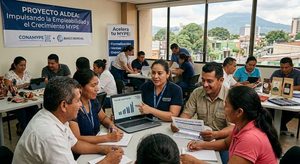
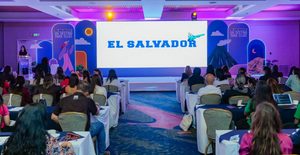
The Government of El Salvador, through the Comisión Nacional de la Micro y Pequeña Empresa (CONAMYPE), commemorated International Microempresas y las Pequeñas y Medianas Empresas (MIPYMES), Day, celebrated every june 27th, as declared by the United Nations (UN).
The 35th anniversary of CONAMYPE was also celebrated. Since its creation, this institution has worked to promote the development, competitiveness, and growth of the country’s MSMEs.
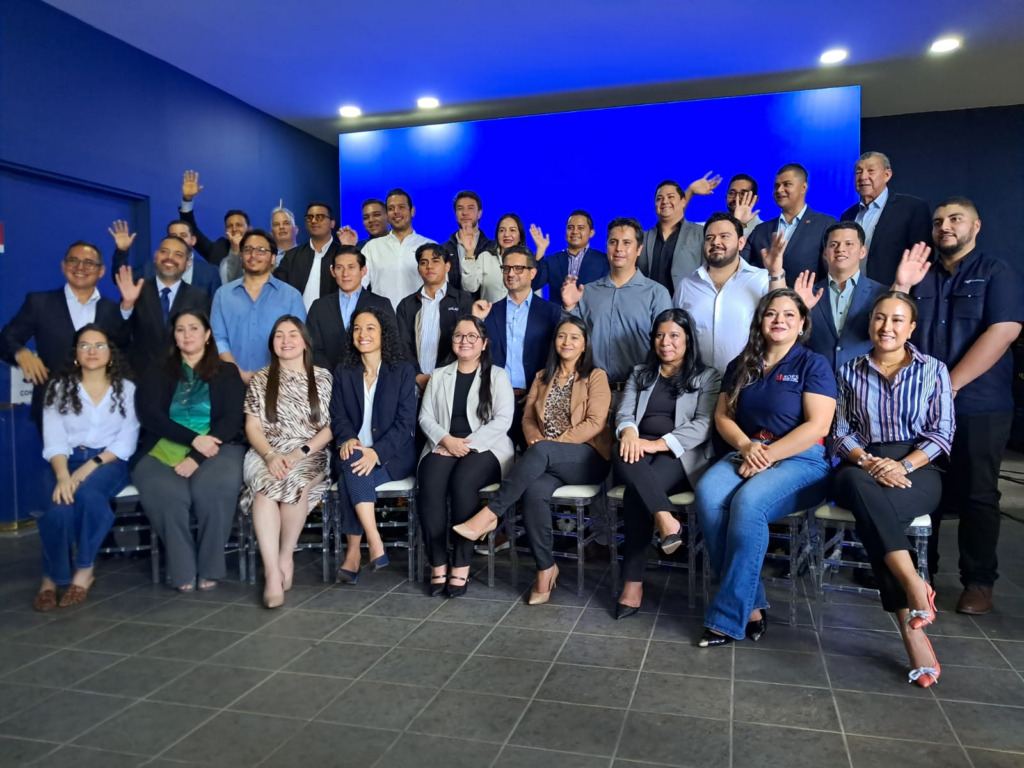
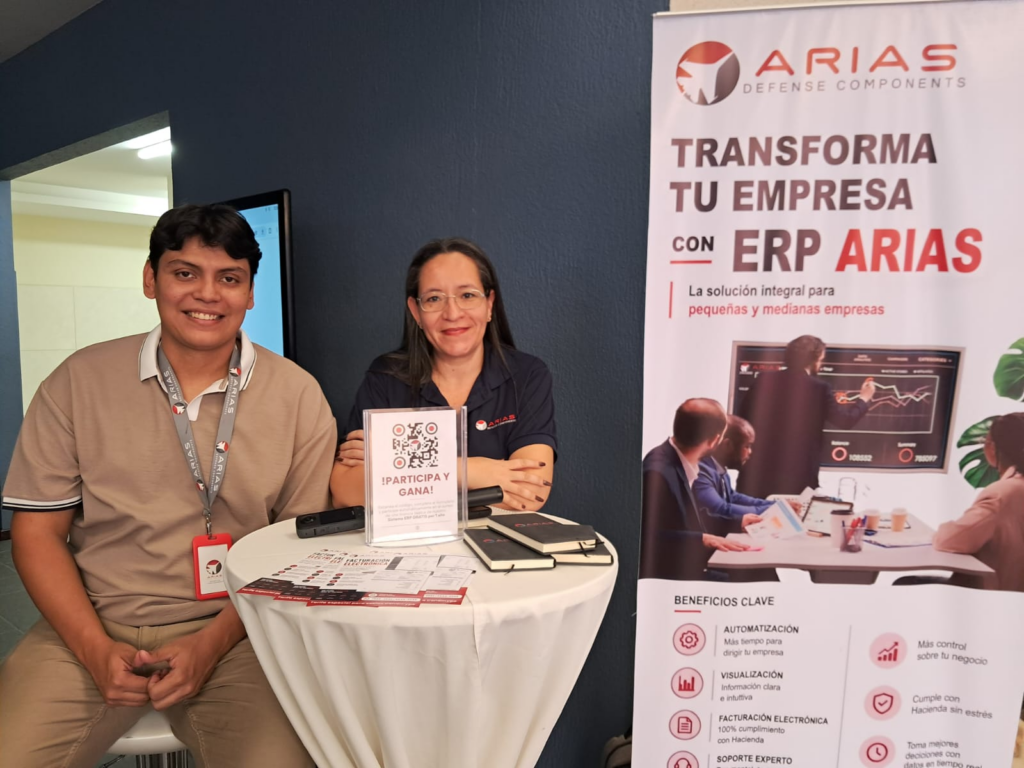
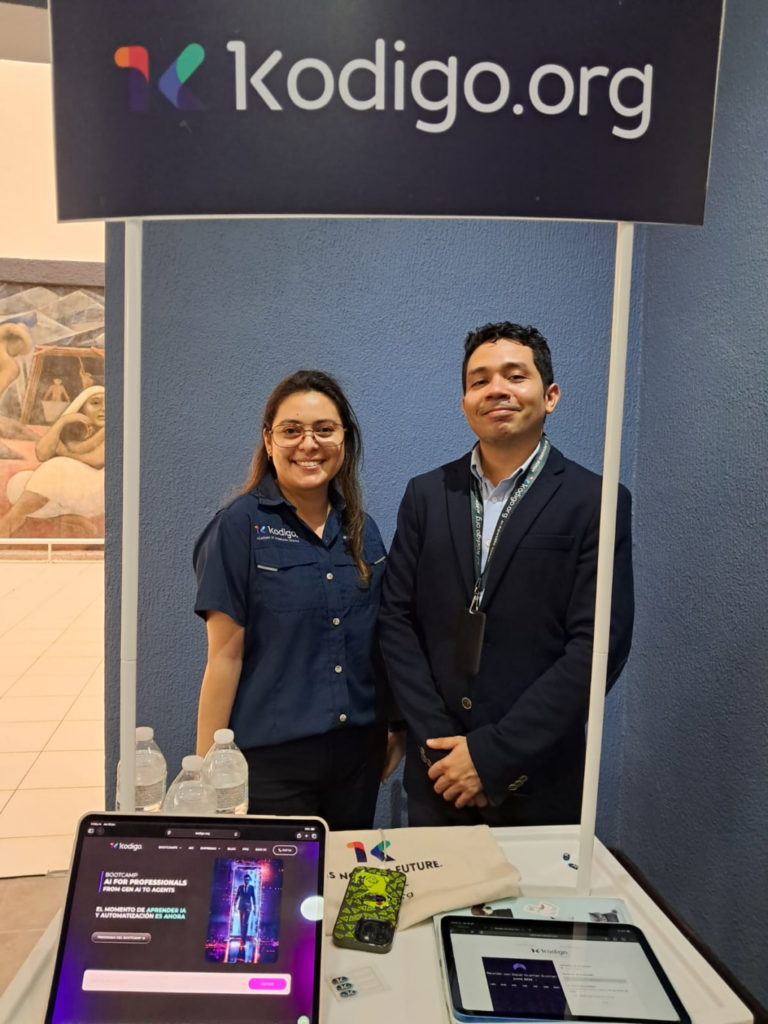
The event included the participation of strategic partners, with more than 25 companies from the public and private sectors joining forces to support MSMEs by providing direct benefits to the sector through their MSME registration.
The history of CONAMYPE dates to may 2, 1991, when Executive Decree No. 48 created the National Commission for the Promotion and Development of Micro and Small Enterprises, the predecessor entity responsible for coordinating public and private efforts in support of the sector. Subsequently, in may 1996, this institution was transformed into the Comisión Nacional de la Micro y Pequeña Empresa (CONAMYPE),consolidating its position as a strategic institution for strengthening businesses in the country.
In 2000, CONAMYPE became part of the Ministry of Economy, recognizing the fundamental role of MSMEs in national economic development. Since then, the institution has promoted important initiatives aimed at providing business services, fostering innovation, and strengthening the competitiveness of salvadoran businesses.
One of the most important milestones occurred in 2010 with the creation of the Network of Red de Centros de Desarrollo de la Micro y Pequeña Empresa (CDMYPE), bringing advisory, training, and business support services to entrepreneurs and business owners throughout the country. That same year, the Women’s Entrepreneurship pilot project was launched, an initiative that later led to the first Women’s Entrepreneurship Support Centers, strengthened with the support of international organizations.

In 2013, CONAMYPE presented the proposed Law for the Promotion, Protection, and Development of Micro and Small Enterprises, which was approved in 2014, establishing a legal framework that strengthened the conditions for the sector’s growth and development.
The institution continued to consolidate its position in 2017 by achieving administrative, technical, and financial autonomy, strengthening its responsiveness and management capacity to benefit micro and small enterprises (MSEs).
Starting in 2021, the government of President Nayib Bukele spearheaded a historic strengthening of the institution through a significant increase in its budget, enabling the implementation of key financial instruments such as the Emprendimiento y Capital de Trabajo (FECAMYPE) and the Programa de Garantías para la Micro y Pequeña Empresa (PROGRAMYPE),mechanisms established under the MSE Law to expand access to financing.
Furthermore, during the economic recovery process following the COVID-19 pandemic, CONAMYPE provided support to more than 9,100 entrepreneurs through virtual training and advisory programs, contributing to the adaptation of businesses to new market dynamics.
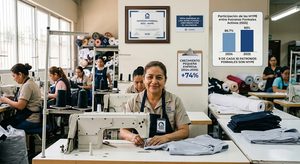
Between 2022 and 2025, the institution spearheaded significant projects focused on innovation, digital transformation, design, and productive strengthening, highlighting initiatives such as INGENIUS RECHARGED, the Textile Center, the E-Learning Platform, the Centro de Innovación y Emprendimiento Dinámico (CIED) and the Interactive CEDART, spaces designed to promote creativity, technology, and business development.
Over these 35 years, CONAMYPE has evolved to respond to the challenges and opportunities of salvadoran MSMEs, consolidating itself as a key institution for job creation, innovation, productive inclusion, and the country’s economic growth.
With this commemoration, the Government of El Salvador reaffirms its commitment to continue strengthening the productive capacities of micro and small enterprises, recognizing them as fundamental actors for sustainable and inclusive economic development that generates opportunities for the salvadoran population.
You can also read: