

 dinero_admin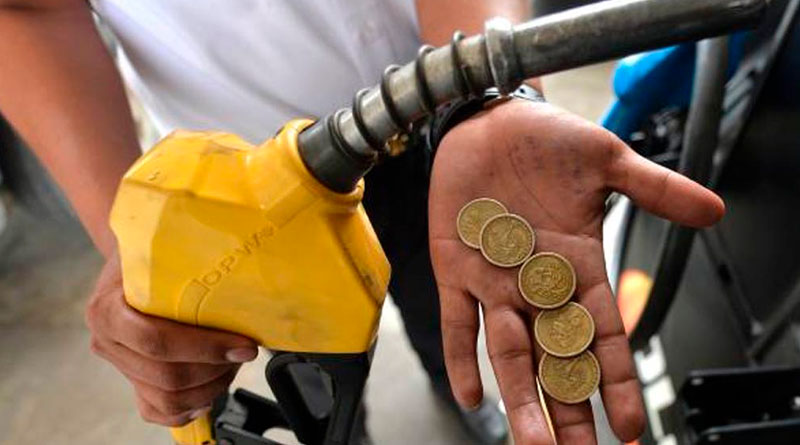
The Legislative Assembly approved a one-year extension of the Ley Especial Transitoria para Sancionar Infracciones a la Cadena de Comercialización de Productos Derivados del Petróleo, with the aim of strengthening oversight at fuel service stations and liquefied petroleum gas (LPG) bottling plants nationwide.
The measure empowers the Dirección General de Energía, Hidrocarburos y Minas to conduct inspections at gas stations and LPG distribution centers to verify compliance with maximum sales prices, product quality, and the accurate delivery of established quantities.
With this legislation, the State maintains its oversight, regulatory, and enforcement functions throughout the fuel and gas marketing chain, particularly at service stations and bottling plants, to prevent abusive practices that harm consumers.
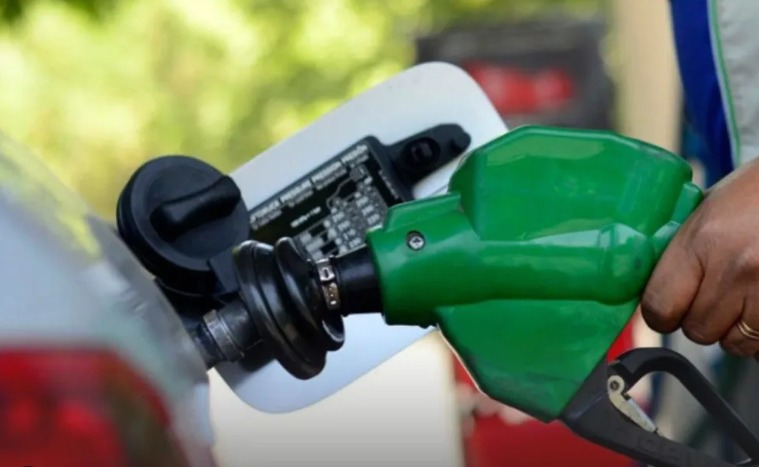
The extension was approved with 58 votes and establishes that the law will remain in effect until june 30, 2027. Its entry into force is scheduled for july 1, once it is published in the Official Gazette.
As established, technical teams from the Dirección General de Energía, Hidrocarburos y Minas along with the Ministry of Economy, will be responsible for carrying out inspections at points of sale and distribution, verifying compliance with the regulations.
The main objective of the extension is to provide authorities with legal tools to prevent irregularities in the marketing of fuels and liquefied gas, guaranteeing transparency and consumer protection.
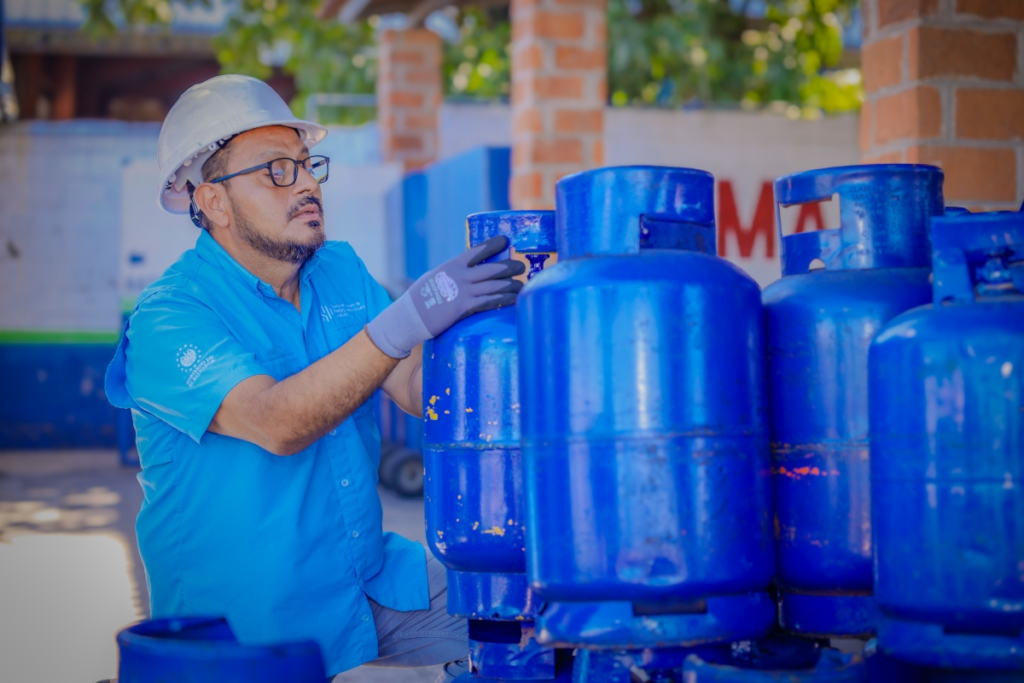
The law also establishes a system of sanctions for distributors who fail to comply with the provisions. Fines range from US$500 to US$100,000 in cases such as obstructing inspections or failing to respect maximum sales prices.
In more serious situations, such as obstructing inspections or failing to comply with the exact LPG packaging requirements, penalties can range from US$10,000 to US$100,000.
With this extension, the State seeks to strengthen oversight of the energy market and ensure that petroleum products are sold under conditions of legality, quality, and fair prices for the population.
You can also read: