

 dinero_admin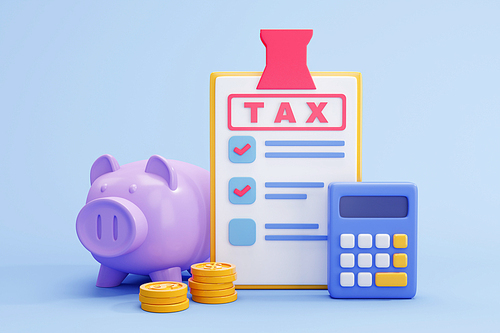
Failure to comply with tax obligations is one of the most common errors among taxpayers, especially at the end of the Income Tax declaration period. Even though many see it as a simple delay, not submitting the declaration for too long can generate a chain of economic and legal consequences that end up seriously affecting personal or business finances.
In El Salvador, the deadline to present the income declaration expires on april 30, as established by the Ministry of Hacienda. As for this close, anyone who has not complied with this requirement automatically enters into default, which implies sanctions that are more than just a simple warning.
One of the first consequences is the imposition of fines. These may vary depending on the length of the delay and the type of taxpayer but generally represent a percentage of the undeclared tax or a fixed amount established by the regulations. Added to this are delay interests, which begin to accumulate from the day following the expiry of the deadline, progressively increasing the amount.
In addition to the economic impact, not declaring too soon can generate administrative complications. For example, the taxpayer could face restrictions in carrying out certain procedures, such as obtaining tax credits, participating in tenders or managing credits in financial institutions, as many of these operations require presence at the tax office.

In more serious cases, when the omission persists or the intention to evade taxes is detected, the problem can result in more rigorous inspection processes. This means that Hacienda can initiate audits to review the taxpayer’s income, expenses and financial movements. If irregularities are found, sanctions may be greater and may even give rise to legal action.
Another important aspect is the impact on financial planning. Failure to comply with this obligation can affect personal or corporate finances, as the accumulation of fines and interests reduces liquidity and limits the investment capacity or savings.
However, even when the deadline expires, it is important to know that regularizing the situation as soon as possible can help reduce the impact. Filing the declaration was timely, paying the fee and, in some cases, contacting the Hacienda Pública to seek payment plans, can prevent the fee from continuing to increase.
Experts recommend not leaving this process until the last moment and maintaining an orderly record of income and expenses throughout the year. Being present in the place facilitates the declaration process but also allows you to identify possible deductions and correctly comply with the regulations.
In a context where the family and business economy faces constant challenges, avoiding unnecessary sanctions is fundamental. Declaring the time of presence in the place is a legal obligation, but it is also an intelligent financial decision that protects economic stability and avoids future complications.
You can also read: