

 dinero_admin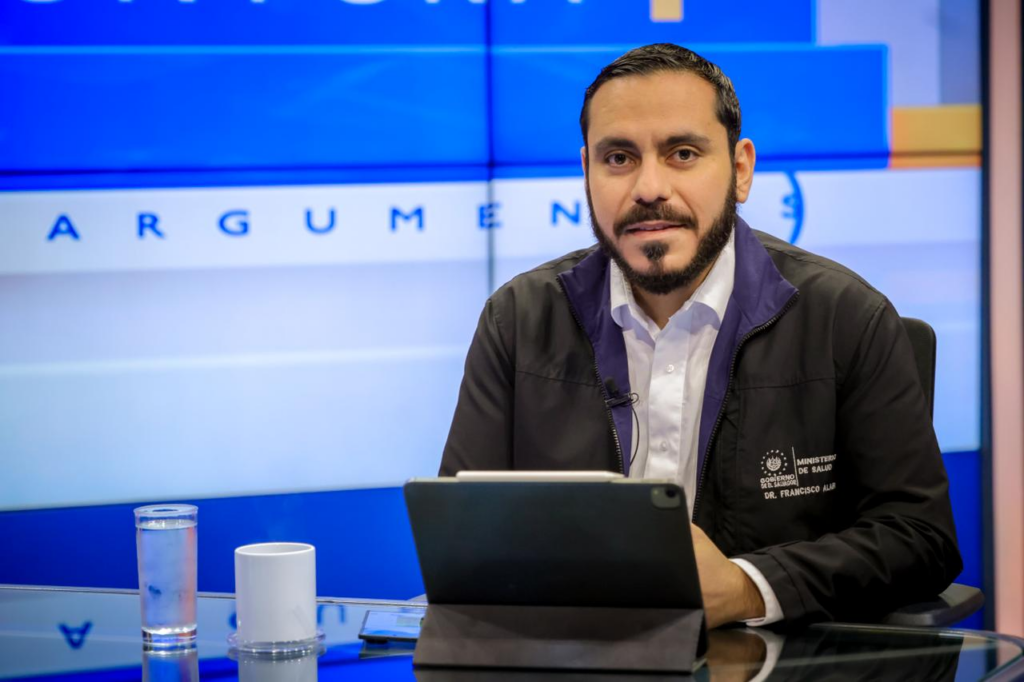
The Government of El Salvador has intensified its prevention efforts against the risk of measles, in an international context marked by an increase in cases in the region. Health minister Francisco Alabi assured that the country has no local transmission of the disease and attributed this to the high vaccination coverage achieved in recent years.
According to the minister, the country maintains coverage levels above the international standard of 95% for the MMR (measles, mumps, and rubella) vaccine, with 98.4% coverage for the first dose and 96.6% for the second. These results, corresponding to 2025, represent the highest in the country’s history.
Expanded and accessible vaccination
As part of the prevention strategy, authorities have expanded access to the measles vaccine for different population groups. In addition to the regular childhood vaccination schedule (which includes doses at 12 and 18 months), an additional dose has been added for children between six and 11 months, especially in at-risk communities.
Vaccination is also available for adults who do not recall whether they received the immunization. They can go to any public health unit to receive the dose free of charge.
The rollout includes extended hours through Fosalud, as well as door-to-door vaccination campaigns throughout the country, with the goal of ensuring full coverage.
Reinforcement of key personnel and checkpoints
The Ministry of Health has prioritized the immunization of personnel with the greatest exposure to risk, including healthcare workers, as well as employees of institutions related to immigration control and tourism.
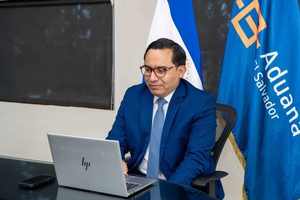
These include the General Directorate of Migration and Foreign Affairs, the General Directorate of Customs, and the Ministry of Tourism of El Salvador, due to their constant contact with international travelers.
Active epidemiological surveillance
Authorities have also strengthened epidemiological surveillance by identifying and monitoring contacts of potential cases. Currently, nearly 200 people linked to imported infections have been traced, with no new cases detected so far.
Monitoring remains active throughout the maximum incubation period, which can range from four to 21 days, to promptly detect any potential outbreaks.
Regional context and import risk
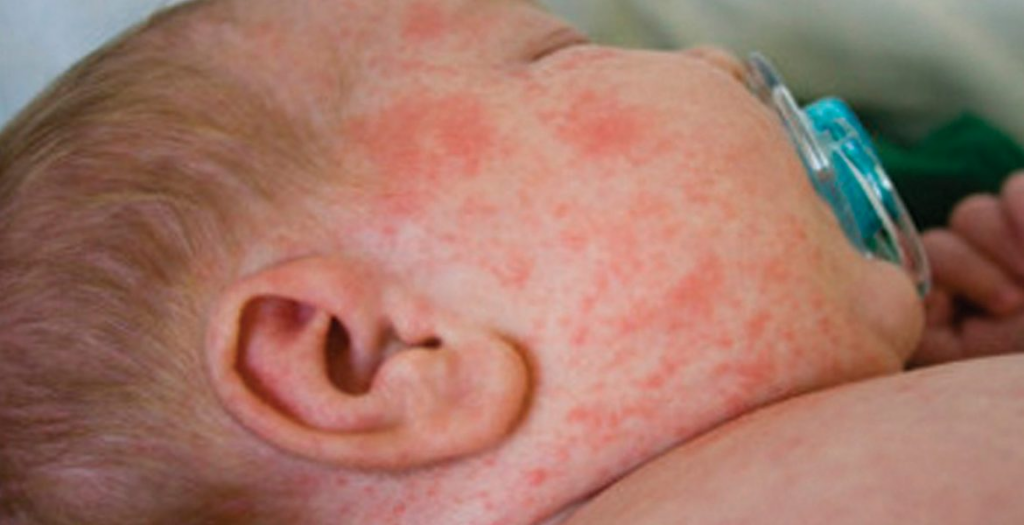
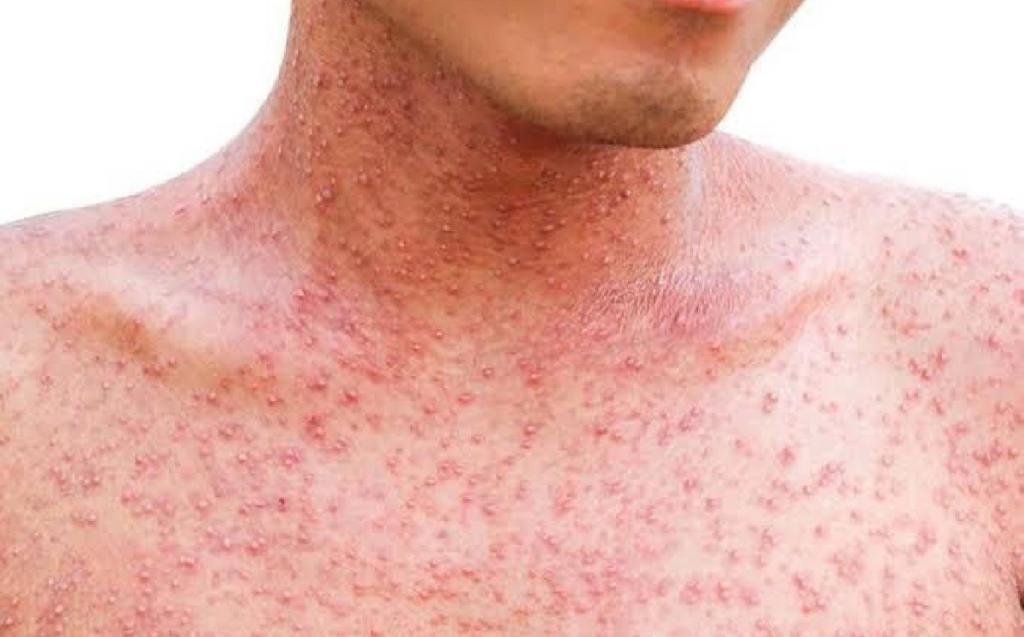
The minister explained that the risk to the country stems primarily from imported cases, due to the increase in infections in other countries in the region. According to data from the Pan American Health Organization, more than 14,400 cases of measles have been reported in the Americas, including thousands in neighboring countries like Guatemala.
Given this scenario, authorities emphasize that maintaining vaccination coverage above 95% is key to preventing the spread of the virus within the country.
Comprehensive prevention strategy
In addition to measles, the national strategy includes strengthening the vaccination program against other respiratory illnesses, such as influenza, targeting children under five years of age, older adults, and people with chronic diseases.
Improvements have also been implemented in the quality and reach of other vaccines, such as the addition of the 20-valent pneumococcal vaccine, the expansion of coverage against respiratory syncytial virus (RSV), and the extension of the HPV vaccination age range to 45 years.
Call to the public
Health authorities reiterate their call to the public to complete their vaccination schedules and visit health centers with any questions, emphasizing that prevention is the primary tool for avoiding outbreaks of highly contagious diseases such as measles.
El Salvador thus maintains an active strategy based on vaccination, surveillance, and rapid response, with the goal of containing any risk and protecting public health.
You can also read: