

 dinero_admin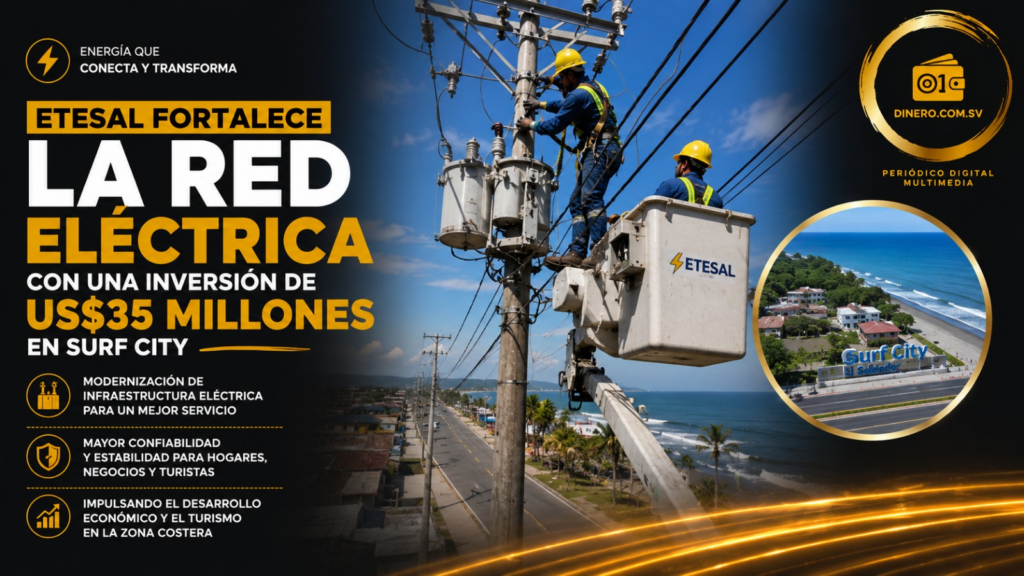
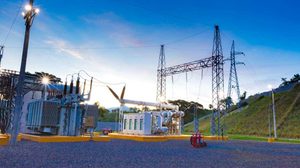
The Empresa Transmisora de El Salvador (ETESAL) has invested US$35 million in the construction of the Surf City Substation, located in Tamanique, La Libertad. This project, scheduled to be inaugurated on july 23, will strengthen the electrical supply in one of the country’s fastest-growing economic and tourism sectors.
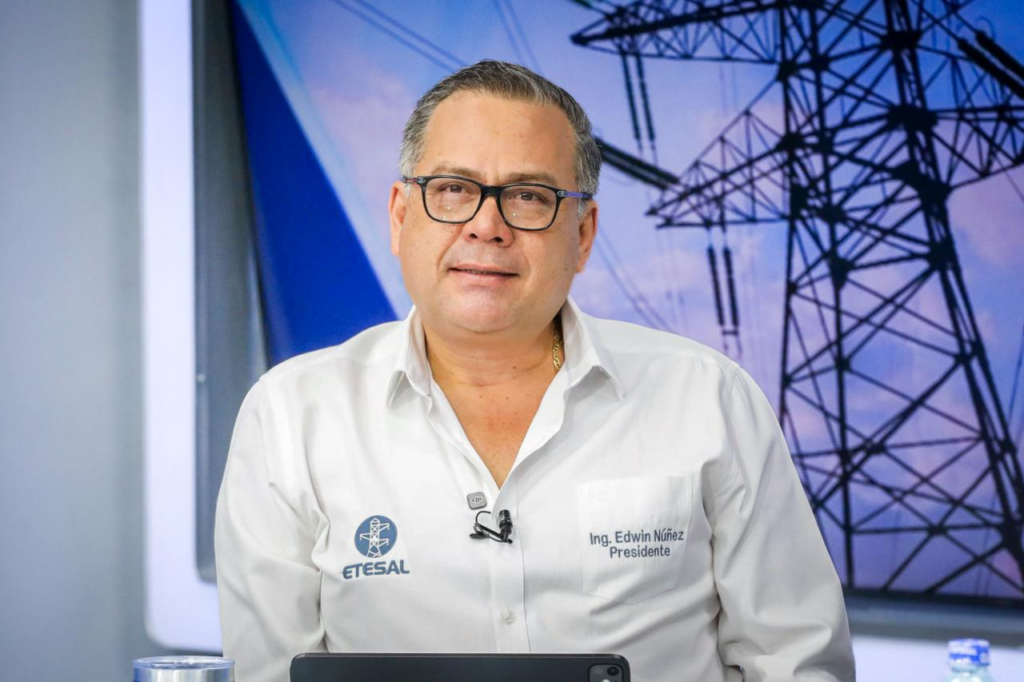
During a television interview, ETESAL President Edwin Núñez explained that this investment responds to the sustained increase in energy demand in La Libertad, a department where electricity consumption has risen by more than 25% due to the development of new residential, commercial, tourism, and service projects.
According to the official, the new infrastructure will guarantee a more stable electrical supply with greater capacity to meet the area’s growth, driven by the expansion of Surf City and other investments underway in the department.
Núñez said that the Surf City Substation is one of the most important projects developed by ETESAL over the past seven years, becoming a strategic point to support the economic development of El Salvador’s coast.
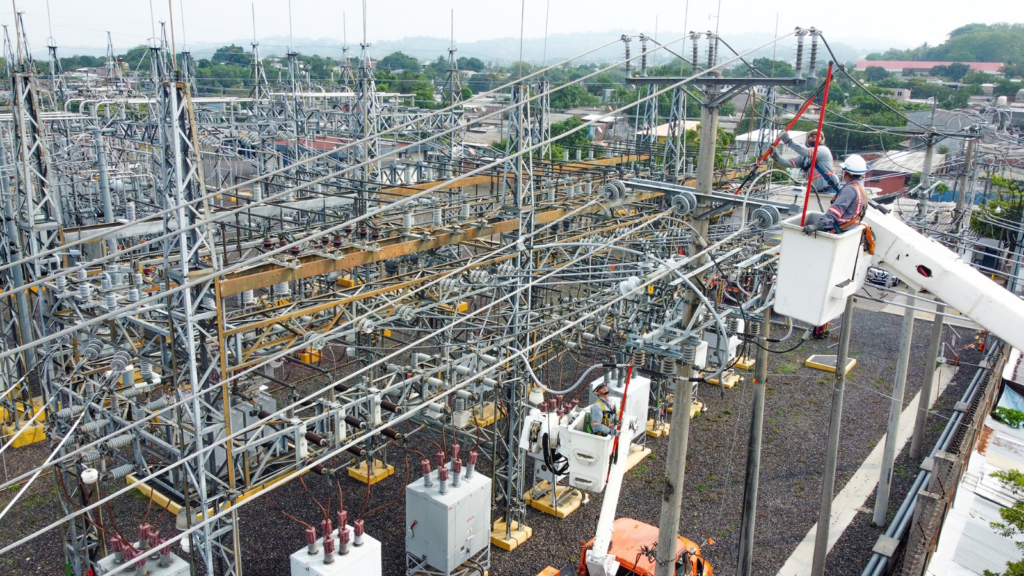
“On july 23, we will inaugurate the Surf City Substation in Tamanique, which will supply the entire La Libertad region. Growth is increasing daily due to all the new projects, and this demands more energy”, he said.
The president of ETESAL explained that the investment has not only allowed for an expansion of electrical transmission capacity but also the incorporation of cutting-edge technology. The new substation will be the first in the country to use a GIS (Gas Insulated Switchgear) system, which requires less space for installation, reduces maintenance costs, and offers greater operational capacity and reliability.
He also noted that this innovation places El Salvador among the countries incorporating modern solutions to strengthen their energy infrastructure and respond to growing demand.
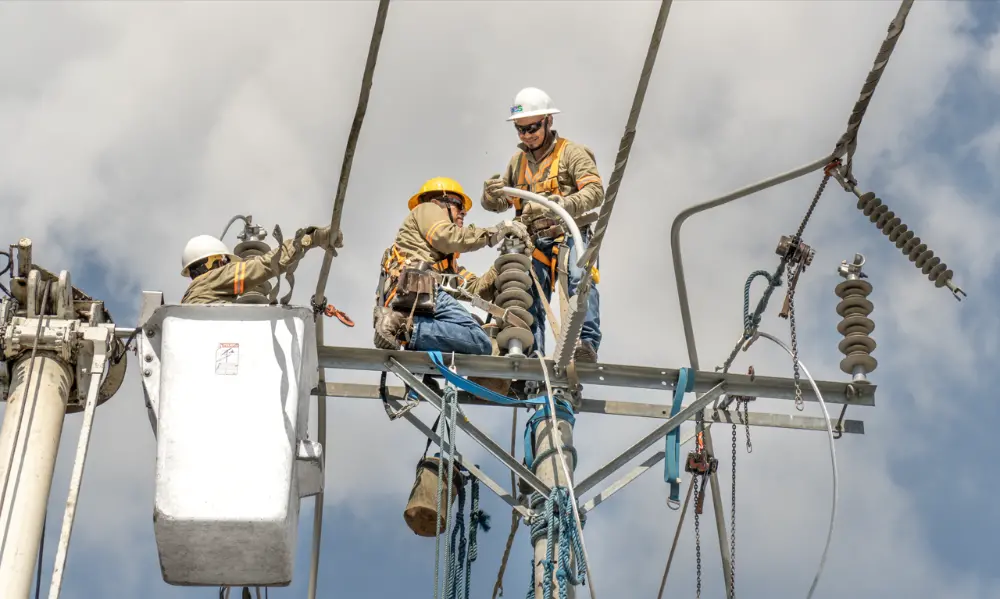
The official indicated that the expansion of the electrical system will continue with new projects. Among the projects he mentioned was the upcoming start of construction on the San Miguel–Morazán transmission line, whose cornerstone will be laid in the coming days with the goal of improving electricity service in the eastern part of the country.
He also explained that ETESAL is developing a national grid expansion plan that includes the creation of a transmission ring in the western part of the country and a new power line along the coast to the east, with the aim of strengthening the system’s reliability and preparing the infrastructure for future investments.
Núñez also highlighted that, since 2019, El Salvador’s energy mix has been diversified through the incorporation of new generation sources, including Energía del Pacífico and the Ventus Wind Farm, which has contributed to improving the stability of the electrical system.
According to the president of ETESAL, the combination of new investments in power generation and the modernization of the transmission network has allowed the country to avoid energy rationing since 2019, while continuing to prepare to meet the economic, industrial, and tourism growth of various regions across the country.
You can also read: